

Congress MP questions timing of revised legislation, accuses BJP leadership of exploiting institutional pressure ahead of Parliament’s special session
 KRC TIMES National Bureau
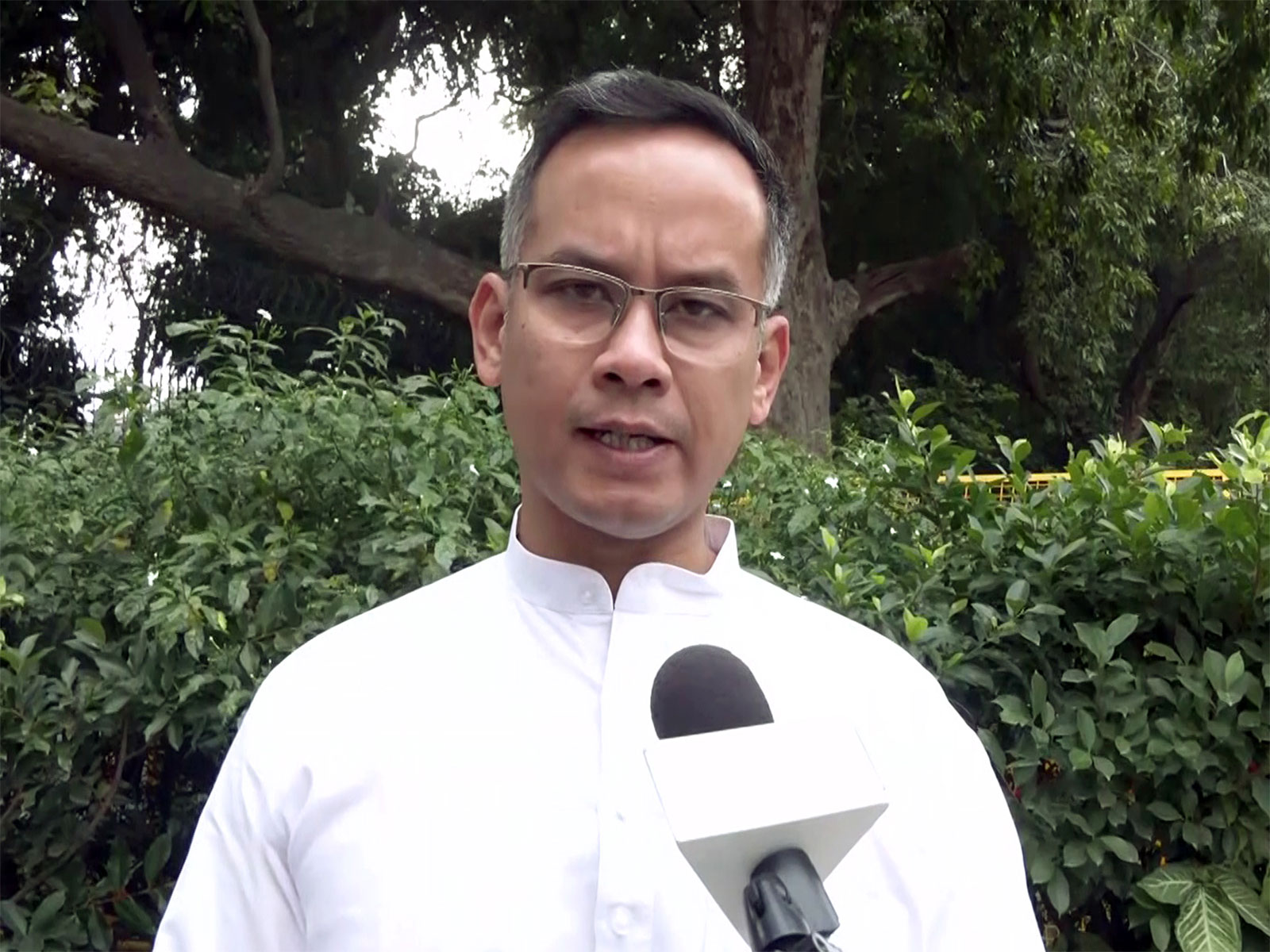
NEW DELHI | The proposed second round of delimitation legislation has triggered a fresh political confrontation, with Congress MP Gaurav Gogoi accusing the Narendra Modi government of weakening Opposition parties through central agencies and institutional pressure ahead of its renewed attempt to restructure parliamentary and Assembly constituencies.
Reacting to the proposed Delimitation (Second) Bill, 2026, Gogoi alleged that the ruling BJP had created favourable political conditions for the legislation by splitting Opposition parties with the help of the Election Commission and using Enforcement Directorate (ED) investigations to put pressure on political rivals.
In a post on X, Gogoi said the proposed legislation would not have reached this stage without what he described as compromised institutions and a passive judiciary. His allegations have added to the growing political debate over the government’s proposed delimitation framework.
The controversy comes ahead of the special session of Parliament scheduled to begin on November 30. The government is expected to introduce a revised legislative package linking the implementation of women’s reservation with the delimitation of parliamentary and state Assembly constituencies.
The revised bill proposes a 50 per cent increase in the strength of the Lok Sabha and state Legislative Assemblies. If implemented, the maximum strength of the Lok Sabha would rise from the present 543 to 850 seats.
The proposed framework also envisages using the 2011 Census figures for redrawing constituencies while maintaining the existing relative representation of states until 2051. A Delimitation Commission would be constituted by the Centre to carry out the exercise.
The legislation is also intended to facilitate the implementation of 33 per cent reservation for women in legislatures.

However, the government’s renewed initiative follows the failure of its earlier delimitation package to secure the required two-thirds majority in the Lok Sabha in April. The revised proposal incorporates substantial changes, particularly the proposed 50 per cent expansion in legislative seats.
The Congress and several other Opposition parties have questioned the proposed arrangement, raising concerns over the independence of the Delimitation Commission, the use of 2011 Census data and the possible political consequences of restructuring constituencies.
Gogoi has maintained that women’s reservation should be implemented within the existing strength of the Lok Sabha, without disturbing the current proportion of parliamentary representation among states for the next 25 years.
The Congress has also criticised the timing of the special parliamentary session and the delay in circulating the draft legislation to MPs. The party is seeking a coordinated Opposition position before the proposed bills are taken up.
On November 28, Congress president Mallikarjun Kharge convened a meeting of Opposition leaders to discuss a common strategy. The INDIA bloc has indicated its opposition to the proposed legislative package, although differences persist among some Opposition parties over the approach.
The government, meanwhile, has defended the proposed changes as necessary to expand legislative representation and operationalise women’s reservation. The Opposition argues that the reservation should be implemented without making it dependent on a fresh delimitation exercise.
With the special session approaching, the delimitation proposal is emerging as a major test of political consensus, institutional credibility and the balance of representation among states.