


The semiconductor revolution in India has, in a modest but unmistakable way, begun
 KRC TIMES Desk
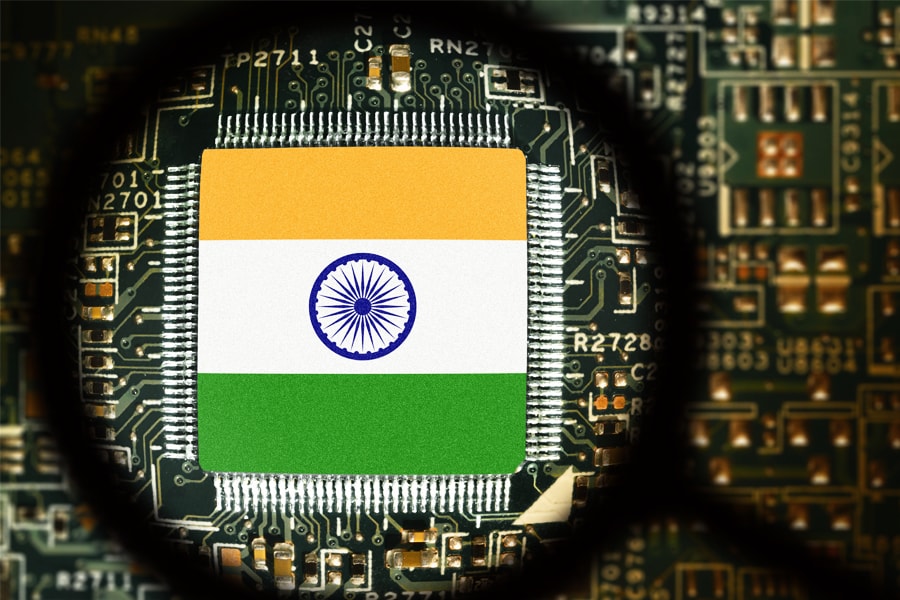
Nearly every gadget in the world contains a sliver of silicon. The washing machine, the car, the smartphone, the pacemaker, and the fighter jet – all of them run on chips. Semiconductors have quietly become the defining resource of the twenty-first century, much as oil defined the twentieth. Whoever controls the chip controls, to a very real extent, the pace of a nation’s industry, its defence capability and its digital future.
It is against this backdrop that the Union Cabinet’s approval of the Rs 1.27 lakh crore Semicon 2.0 programme and the Rs 62,500 crore mobile phone manufacturing scheme deserves to be read not as one more incentive package but as a course correction of genuine strategic weight. It is a timely decision in the present circumstances prevailing world wide.
For too long, India has been content to be the world’s back office – brilliant at software, services and system integration, yet almost entirely dependent on imports when it comes to the hardware that makes all of it possible. Every chip that goes into an Indian-assembled phone, laptop or automobile has, until now, largely been designed and fabricated elsewhere. That dependence is not a minor inconvenience.
It drains foreign exchange year after year, and in a world where supply chains can be weaponised overnight by war, sanctions or export controls, it leaves India’s electronics and defence sectors exposed to decisions taken in capitals it does not control. The current global shortage of memory chips is a timely reminder of just how quickly this vulnerability can bite. Leading handset makers worldwide have already raised prices to absorb rising component costs, and India, despite being the second-largest mobile phone manufacturer on the planet, has been unable to insulate itself from the squeeze. Scale of assembly, it turns out, is no substitute for command over the underlying technology.

It would be dishonest, however, to pretend that India is anywhere close to the frontier of chip-making. The most advanced semiconductor nodes – the ones that power the latest AI processors and high-end computing – remain the preserve of a handful of countries: Taiwan, South Korea, the United States and one or two others. India is simply not in that league yet, and no policy announcement will change that overnight.
But this is precisely where a dose of realism should breed confidence rather than despair. The overwhelming majority of chips the world actually consumes are not exotic, cutting-edge devices at all, but mature-node components of a fairly basic kind, used in everything from washing machines to automobiles to industrial sensors. This is the segment where India can realistically compete soon.
The Government appears to have grasped this distinction, and the recent flurry of activity suggests the ball is finally being set in motion rather than merely discussed. The Micron assembly, testing, marking and packaging facility at Sanand was the first tangible marker of intent. Semicon 2.0 now widens the ambition considerably, targeting chip design, equipment and materials, fabrication, advanced packaging and talent development in one sweep, with the country’s first fabrication unit expected to come on stream by 2028.
Equally significant, though less publicised, have been the agreements struck during the PM’s foreign visits with global semiconductor equipment makers for the transfer of machinery and know-how – arrangements that are just as important as the capital outlay. It happens through collaboration, exposure and the slow accumulation of institutional know-how, much as it did for Hindustan Aeronautics or Tata Motors in other sectors.
India does possess the raw ingredients to make this work: an abundant pool of skilled, comparatively inexpensive engineering talent, a fast-growing domestic electronics market, and now a policy establishment willing to back its ambitions with real money. What has been missing is the connecting tissue of investment, equipment and technology transfer, and that is precisely what the current push is designed to supply.
None of this will make India a fabrication powerhouse within a year or two; the challenges are capital-intensive, technologically formidable and geopolitically delicate. But the direction of travel has changed. High-value jobs are beginning to emerge, ancillary industries are taking shape, and export ambitions are being recalibrated upwards. The semiconductor revolution in India has, in a modest but unmistakable way, begun.