


For millions of devotees, the temple represents the fulfilment of a long-held spiritual aspiration and the reaffirmation of their faith in Lord Ram
 KRC TIMES Desk
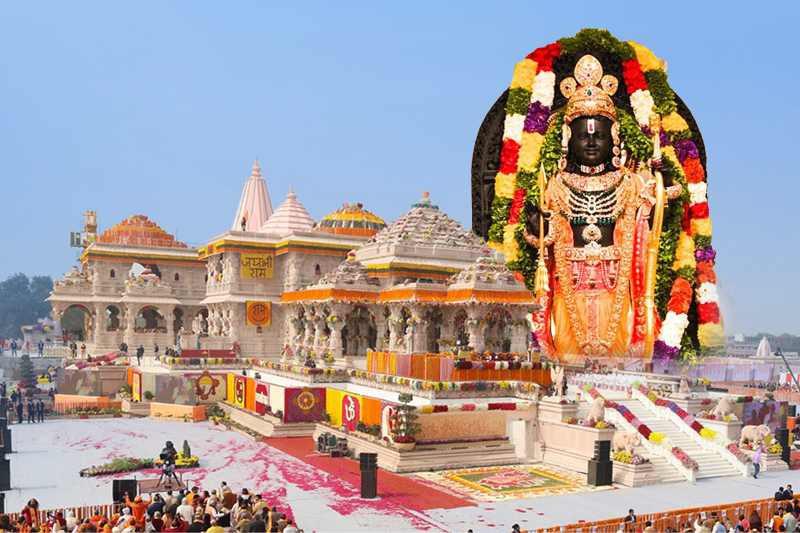
The story of Lord Ram is deeply rooted in India’s cultural and spiritual traditions. Revered as Maryada Purushottam, Ram represents truth, duty, compassion, sacrifice and adherence to moral principles. His life, as portrayed in the Ramayana, continues to influence Indian society and its understanding of righteousness, justice and responsible conduct.
The festival of Dussehra, also known as Vijayadashami, commemorates the victory of good over evil. The burning of effigies of Ravana symbolises the rejection of arrogance, injustice and moral corruption. Yet, the deeper significance of the festival lies not merely in the defeat of an external adversary but in the struggle against the negative tendencies within human beings.
Ram’s life offers lessons that extend beyond religious belief. His commitment to duty, respect for relationships and willingness to make personal sacrifices for a larger responsibility have made him a lasting cultural ideal. These values remain relevant in contemporary society, where public life often faces challenges arising from intolerance, corruption, misuse of power and declining ethical standards.
The Ram Temple and the meaning of faith
The construction and inauguration of the Ram Temple in Ayodhya marked a significant moment in India’s religious and cultural history. For millions of devotees, the temple represents the fulfilment of a long-held spiritual aspiration and the reaffirmation of their faith in Lord Ram.
At the same time, the journey towards the temple has been closely connected with constitutional processes and judicial decisions. The Supreme Court’s 2019 verdict on the Ayodhya land dispute provided the legal basis for the construction of the temple. The episode underlined the importance of resolving complex disputes through established legal and constitutional institutions.

The temple’s significance, therefore, can be understood not only in terms of religious devotion but also through the relationship between faith, law and democratic institutions. In a diverse country such as India, the ability to accommodate different beliefs while respecting constitutional principles remains essential to social harmony.
Ram’s ideals in a constitutional democracy
The ideals associated with Lord Ram should inspire citizens and public representatives to uphold justice, fairness and accountability. The concept of Ram Rajya is often invoked to describe an ideal system of governance. At its core, it suggests a society in which rulers act responsibly, justice is accessible, the vulnerable are protected and public welfare takes precedence over personal interests.
In a modern constitutional democracy, these ideals must be interpreted in a manner consistent with equality, liberty, justice and the rule of law. Governance cannot be measured by religious symbolism alone; it must also be judged by how effectively it protects citizens’ rights, delivers public services and ensures equal treatment before the law.
The true relevance of Ram’s legacy lies in translating ethical principles into everyday conduct. Public officials must demonstrate integrity, institutions must function impartially, and citizens must remain committed to peaceful coexistence. Religious faith can provide moral inspiration, but constitutional values offer the common framework through which people of different communities can live together with dignity.
Beyond symbolism: The enduring message
Dussehra reminds society that the struggle between good and evil is continuous. Ravana’s ten heads are often interpreted symbolically as representing human weaknesses such as anger, greed, arrogance and selfishness. Their destruction serves as a reminder that moral progress begins with self-reflection and the willingness to correct one’s own shortcomings.
Similarly, the Ram Temple should encourage reflection on the broader values associated with Lord Ram. Faith acquires deeper meaning when it promotes compassion, restraint, responsibility and respect for others. Cultural pride becomes more meaningful when it strengthens social cohesion rather than creating division.
India’s civilisational traditions and its constitutional framework need not be viewed as opposing forces. When approached with mutual respect, ethical teachings can enrich public life while constitutional principles ensure that diversity and individual rights remain protected.
Ultimately, the legacy of Lord Ram is not confined to a festival, a religious narrative or a place of worship. It lies in the continuing effort to build a society guided by justice, dignity, responsibility and mutual respect. The most enduring tribute to Ram would be to practise these values in personal life, public administration and national affairs.
As Dussehra celebrates the triumph of righteousness, it also invites every citizen to ask a fundamental question: are we merely commemorating the victory of good over evil, or are we making a sincere effort to ensure that good prevails in our own conduct and in the institutions that shape our collective future?

