

An Exclusive Interview with Mrs Asha Sharma, Founder, Asha Foundation, with KRC TIMES Editor-in-chief, Biswadeep Gupta in Nainital, Uttarakhand
 Biswadeep Gupta
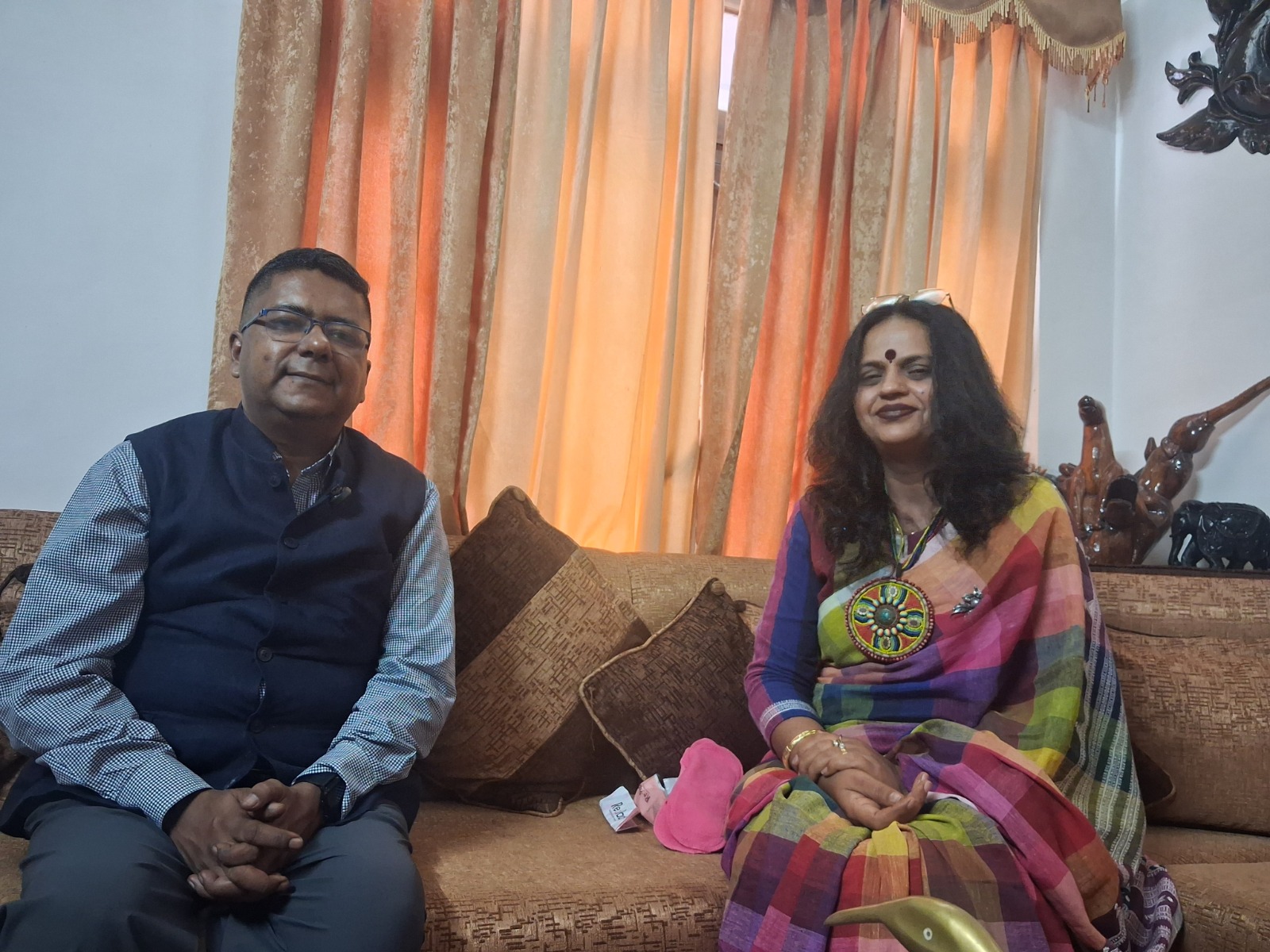
For over a decade, Asha Foundation has been working quietly in villages and remote areas to improve the lives of women and adolescent girls through menstrual health education, reusable sanitary products, and cancer awareness. What began with the installation of sanitary pad vending machines in schools has gradually evolved into a larger movement that promotes sustainable menstrual hygiene, early detection of cancer, and healthy living.

In an exclusive interview with KRC TIMES Editor-in-chief, Biswadeep Gupta, the founder of Asha Foundation shared her journey, achievements, and concerns about the growing health challenges faced by women, especially in rural communities.
Recalling the beginning of her mission, she said the organisation started its journey in 2014 with a focus on school-going girls.
“Our work initially centred on installing sanitary pad vending machines in schools, particularly in Nainital. We also worked on public toilet facilities, girl child awareness, environmental protection, health, and hygiene. Girls in villages and remote areas often do not have access to proper menstrual hygiene products or correct information. That was the gap we wanted to bridge,” she said.
However, after years of working in the field, she realised that simply distributing disposable sanitary pads was not the ideal long-term solution.
“Most girls throw used sanitary pads into the garbage after use. These market-made pads create a huge environmental problem because they take years to decompose. I gradually realised that disposable sanitary pads are causing serious harm to nature,” she explained.
She also pointed out that many rural women still depend on cloth during menstruation, but even that comes with challenges.
“Pure cotton cloth is not easily available nowadays. More importantly, many girls feel embarrassed about menstruation. Whenever male members enter the house, they quickly hide the washed cloth instead of drying it properly under sunlight. A damp cloth can become a breeding ground for infection. The social stigma surrounding menstruation is creating additional health risks.”
According to her, menstrual cups are among the most environmentally friendly options available today. “A menstrual cup can last for nearly two years if used properly. It creates almost no waste and is a sustainable solution.” However, she admitted that menstrual cups may not be practical for everyone.
“Many school-going girls are unfamiliar with the method of insertion. Younger girls often find it difficult to use because of their age and body structure. Therefore, while menstrual cups are excellent, they may not always be the most suitable first option.”
As an alternative, Asha Foundation has been promoting reusable sanitary pads.

“We provide reusable pads that can easily last for two to three years. They can withstand nearly 100 washes if maintained properly. The only requirement is washing them thoroughly and drying them under bright sunlight. They are economical, environmentally friendly, and safer for long-term use.”
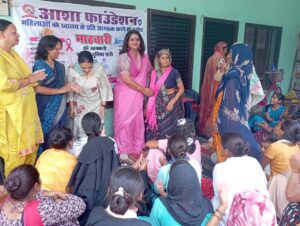
The foundation has already carried this awareness campaign to nearly 50 villages, where around 700 women and girls have received training on menstrual hygiene and the proper use of reusable sanitary pads. Many of them were also provided with reusable pads free of cost.
Beyond menstrual health, cancer awareness has become another major focus of the organisation. She expressed concern over the increasing incidence of cervical and breast cancer and stressed that awareness remains the strongest weapon against these diseases.
“Cervical cancer continues to be a major concern. At the same time, breast cancer has become one of the biggest health challenges. The good news is that if cancer is detected early, the chances of successful treatment improve significantly.”
She emphasised that breast cancer is not a disease that affects only women. “Many people do not know that men can also develop breast cancer, although it is less common. Similarly, men face other cancers such as prostate cancer. Boys and men should also be educated about cancer. Awareness should involve the entire family.”

The foundation regularly conducts awareness sessions where women are taught how to identify possible warning signs through monthly self-examination.
“Every woman should fix one date every month for a self-examination. After taking a shower, stand in front of a mirror and observe both breasts carefully. Look for any noticeable difference in size or shape. Check whether one nipple appears different from the other. Watch for skin changes, unusual patches, or dimpling.”
She also advised women to remain alert if there is any unusual nipple discharge or persistent pain. “Gently press around the nipple and observe if there is any abnormal discharge or pain. Feel for lumps not only in the breast but also around the underarm area. Some cancerous lumps are painless, which is why they often go unnoticed. Never ignore any unusual change.”
She further noted that many visible symptoms of breast cancer can be recognised at an early stage if women perform regular self-checks. “Nearly 80 per cent of breast cancer symptoms are visible if one knows what to look for. That is why awareness is so important. A few minutes of self-examination every month can save lives.”
Despite the availability of information online, she believes personal guidance and community education remain irreplaceable. “Google can provide information, but it cannot replace the care and guidance of a mother or an experienced health educator. Awareness programmes create confidence, encourage discussion, and remove fear.”
She also stressed the importance of maintaining a healthy lifestyle to reduce health risks. “Our eating habits have changed dramatically. Fast food has become a regular part of life, especially among young people. Traditional home-cooked food is always the better choice. Lifestyle changes are contributing to many health problems.”
She also referred to medical research suggesting that delaying childbirth may increase certain health risks and encouraged people not to ignore scientific advice. “Medical science should always be respected. We should follow evidence-based guidance regarding health, nutrition, and preventive care.”
Ending the conversation with a message of hope, she urged people never to lose faith if diagnosed with cancer. “Cancer is no longer a disease that automatically means the end of life. Even people diagnosed at advanced stages have survived with proper treatment. The key is early detection, timely medical consultation, and a positive mindset. Never ignore symptoms. Never delay seeking medical advice.”
After more than a decade of grassroots work, Asha Foundation continues to demonstrate that lasting change begins with education. Whether through promoting sustainable menstrual hygiene, breaking social taboos, or teaching women how to recognise the early signs of cancer, the organisation’s message remains simple yet powerful: awareness saves lives.
Send your resume:
biswa@jigyasu.co.in
krcfoundation@gmail.com