

A Festival Where the Northeast Met Itself
 Biswadeep Gupta
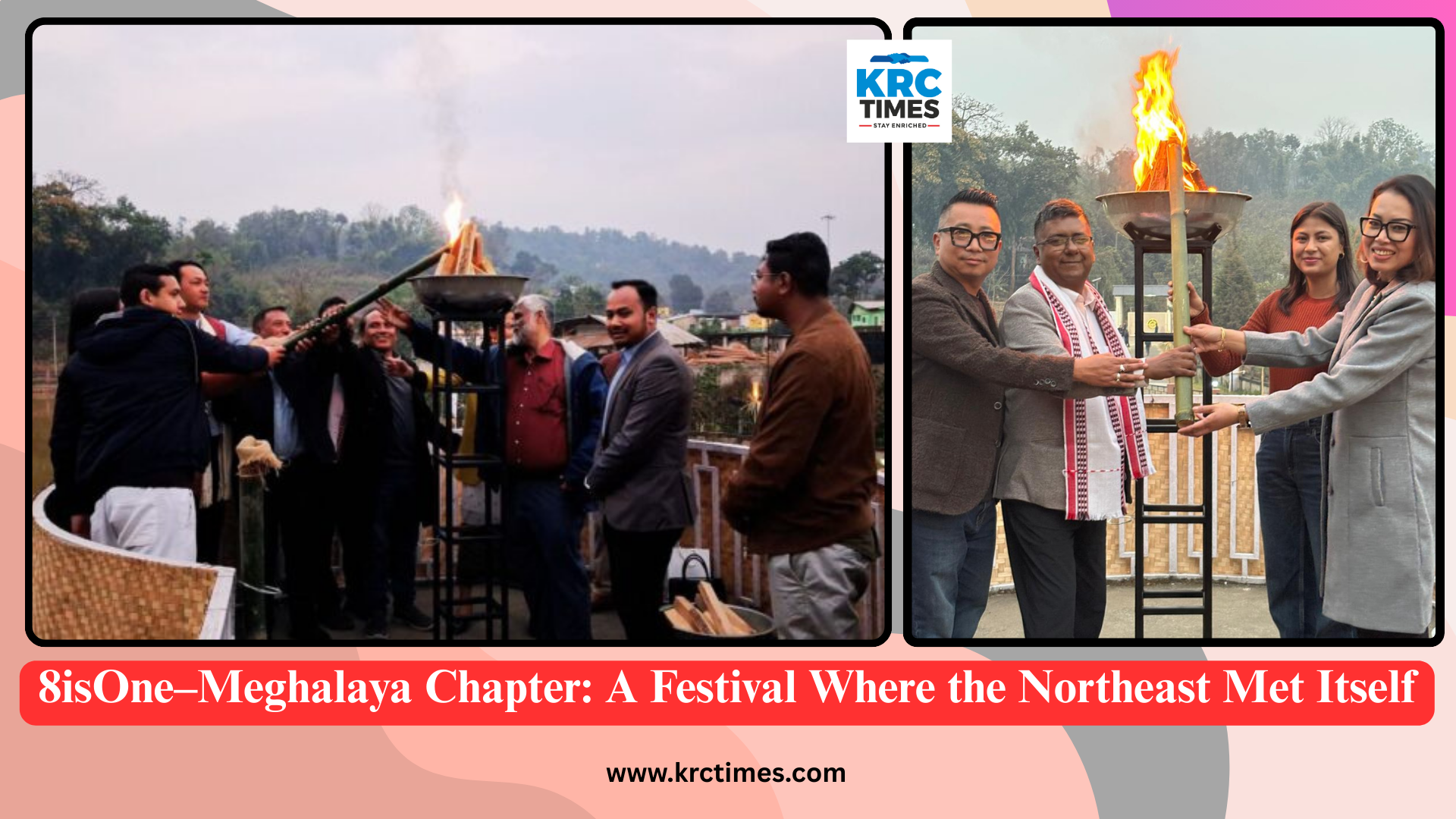
The 8isOne–Meghalaya Chapter was not just a cultural festival. It felt like a long conversation finally coming together. Held over two days at Mebaai Resort in Umtrew village of Ri Bhoi district, the event celebrated the shared spirit, stories, and struggles of the eight northeastern states of India.
Organised by the Mebaai Group and the North East Integration Rally, the festival brought artists, scholars, entrepreneurs, community leaders, and cultural lovers under one roof. People came from different corners of the Northeast, carrying their own languages, clothes, songs, and food. Yet, the feeling was one of closeness. Different, but deeply connected.
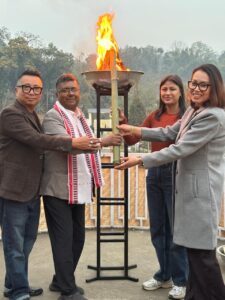
From the moment the festival began, the venue came alive. Bright traditional attire filled the space. Music echoed through the hills. Dances from different communities flowed one after another. The colours, sounds, and smiles created an atmosphere that felt warm and proud. It was a reminder that the Northeast is many worlds, yet one region.
The festival was built around dialogue as much as celebration. Alongside performances, there were thoughtful discussions and interactive networking sessions. These spaces allowed people to speak, listen, and reflect. Many conversations focused on building cultural bridges and shaping shared narratives for the region.
Participants spoke about the need to protect indigenous traditions at a time of fast change. Urban growth, migration, and global media are reshaping daily life. In this process, many local practices, oral histories, and art forms are slowly fading. The festival became a place to talk about these concerns openly.
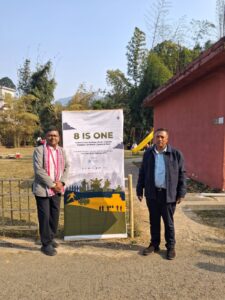
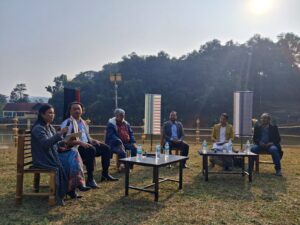
A key moment of the event was the panel discussion titled “Cultural Integration through Art, Music, Literature and Food in Meghalaya and Northeast India.” The session was moderated by Ibankyntiew Mawrie, Editor of 4Front Media. It brought together voices from art, academia, music, and community work.
The panel featured Raphael Warjri, a noted artist and filmmaker; Auswyn Winter Japang, Assistant Professor at St. Anthony’s College, Shillong; Hammarsing Kharhmar, musician and founder of Da Minot Band; Alethea Lyngdoh, Communication Head at NESFAS; and Prasenjit Biswas, Professor of Philosophy at North-Eastern Hill University.
The discussion moved deep and honest. Panelists stressed the urgent need to document and protect traditional knowledge systems. They spoke about oral histories, indigenous art, food practices, and community wisdom that have survived for generations. Much of this knowledge, they said, still lives only in memory and everyday practice. Without proper records, it remains fragile.
Speakers pointed out that culture is not just performance. It is also food cooked at home, stories told by elders, and skills learned by watching and doing. When these are lost, a part of identity is lost too.
At the same time, the panel did not argue against change. Instead, they spoke about adapting tradition to modern tools. Digital platforms, social media, filmmaking, and online archives were seen as powerful allies. These tools can help indigenous voices reach wider audiences, especially young people who now live online.
Youth came up again and again in the discussion. Panelists described young people as both keepers of tradition and creators of new paths. They encouraged students, artists, and content creators to take active roles in documenting their communities. From short videos to music experiments and digital storytelling, new forms can keep old knowledge alive.
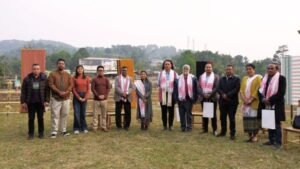
The discussion also highlighted the need for collaboration. Artists, academics, community groups, and policymakers must work together. Cultural preservation cannot happen in isolation. Strong networks are needed to support sustainable cultural growth across the Northeast.
A key message that stayed with many was simple but powerful. Preserving heritage does not mean freezing it in time. It means letting it grow while staying rooted. Innovation and tradition, the panel agreed, can walk together.
Beyond the panels, the festival itself became proof of this idea. Performances blended old rhythms with new sounds. Conversations mixed academic thought with lived experience. Food stalls and informal gatherings became spaces of exchange and learning.
Organisers said the aim of the festival was to encourage dialogue between communities, promote cultural tourism, and build lasting networks for artists and cultural workers. By bringing people together in one place, they hoped to spark connections that would continue beyond the event.
As the festival drew to a close, the feeling was clear. The 8isOne–Meghalaya Chapter was about unity, not sameness. It showed that the strength of the Northeast lies in embracing difference while standing together.
In its mix of tradition, creativity, and community spirit, the festival offered a hopeful vision. A region that knows where it comes from. A region ready to tell its stories in new ways. And a region that believes its shared future begins by listening to each other.