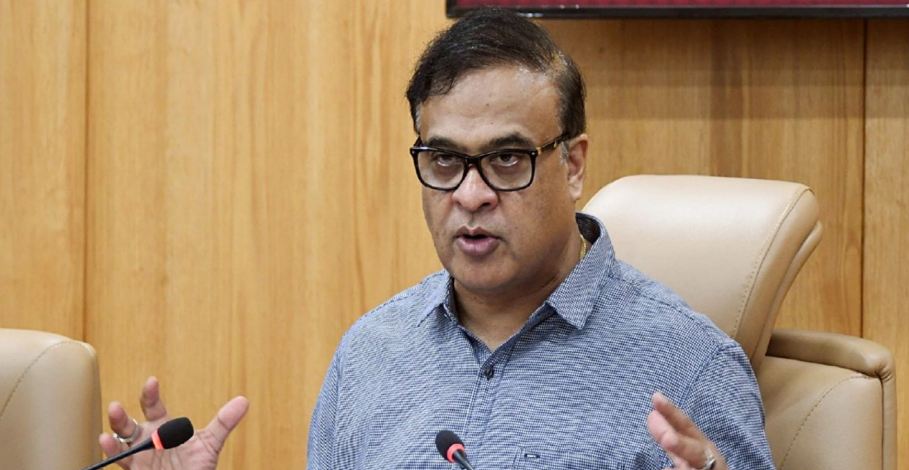
Sengupta described the proposed return as an opportunity for people in Assam to reconnect with an important part of their cultural heritage
 KRC TIMES Assam Bureau
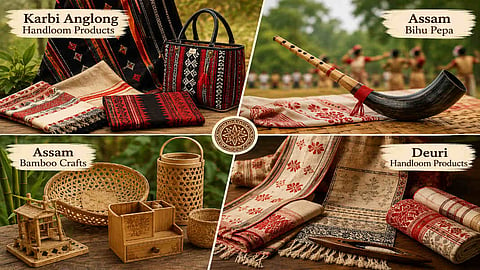
Guwahati | Assam’s rich culture, traditional crafts and emerging creative talent have the potential to strengthen the state’s presence on the global cultural map, Amit Sengupta, Head of Media and Communications, East and Northeast India, British High Commission, said at The Assam Tribune Dialogue 2026.
Speaking at a session titled ‘The World is Changing: Where do India and Britain Stand Together’, Sengupta discussed Britain’s cultural influence and the scope for deeper cultural exchanges between India and the UK.
In a conversation with The Assam Tribune senior sub-editor Nasreen Habib, Sengupta identified football, music, literature and universities as some of Britain’s most visible sources of soft power.
He said British club football had developed a strong international following, while music ranging from The Beatles and The Rolling Stones to contemporary artists such as Ed Sheeran had crossed national boundaries. British universities and literature, he added, had also created enduring links across countries.
The discussion also examined the legacy of the colonial period in British institutions, including the issue of human remains taken from India.
Habib referred to Oxford University’s decision to return 39 human remains of Naga people taken during British colonial rule, as well as the wider collections of Naga remains held by institutions in Europe and the US.
Sengupta said such issues needed to be handled with sensitivity, particularly because they involved questions of dignity and the wishes of communities and descendants. He stressed the importance of engaging with source communities and examining the provenance of collections.
The conversation then turned to the Vrindavani Vastra, the 16th-century textile associated with Assam that is expected to return to the state on loan from the British Museum in 2027.
Sengupta described the proposed return as an opportunity for people in Assam to reconnect with an important part of their cultural heritage. He said cultural exchanges involving museums, scholars, artists and institutions could contribute to stronger India-UK cultural ties.
On the possibility of more such artefacts returning to Assam, Sengupta said it would depend on individual relationships with museums, noting that museums in the UK are not directly run by the government.
Asked what aspects of Assam deserved greater international attention beyond tea, wildlife and the Brahmaputra, Sengupta highlighted the state’s weaving traditions, crafts and the work of its younger generation of artists and creators.
He said giving people outside Assam greater opportunities to experience the state’s culture, crafts and creative work could help establish Assam more firmly on the international cultural map.