

The report cautions that the figures are projections rather than observed deaths and are subject to uncertainty
 KRC TIMES Assam Bureau
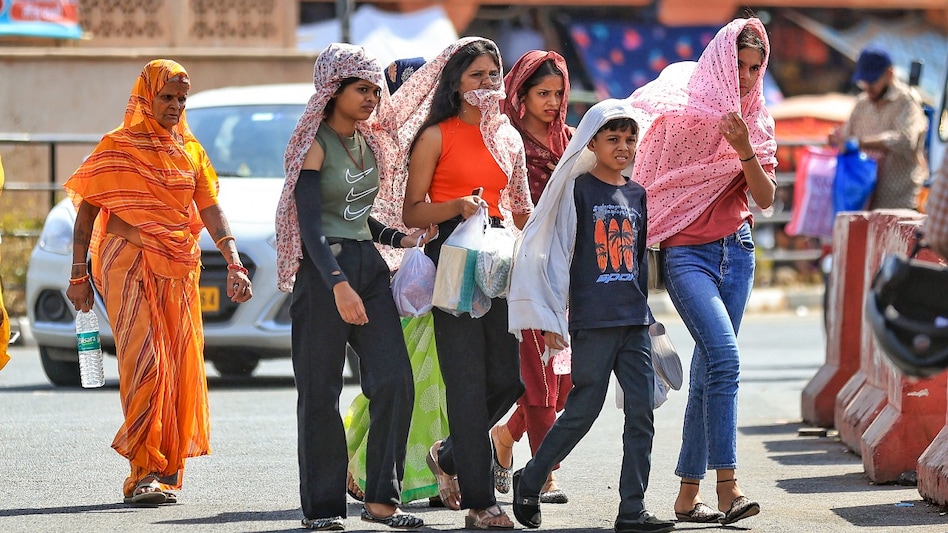
Guwahati | India could record an estimated 15,800 additional heat-related deaths between September 2026 and February 2027 compared with an average year if unusually warm conditions linked to the current El Niño persist, according to a report by the Climate Impact Lab.
The estimate carries an uncertainty range of around ±1,600 deaths and places India among the countries projected to face the highest additional heat-related mortality during the six-month period.
The report, titled 451,000 at Risk: Where Action Can Save Lives During the Super El Niño, projects global land temperatures to remain about 1.2°C above normal during the period. It estimates that the unusually warm conditions could result in 44 per cent more extremely hot days than in a normal year.

India among countries facing highest projected impact
India ranks fourth in the report’s list of countries with the highest projected additional heat-related deaths, after Nigeria, Indonesia and Sudan. The report estimates that India could record around 7,400 additional heat-related deaths between December 2026 and February 2027, compared with the 1996-2025 average.
It also warns that the health impact could continue beyond the current forecast period. India and Pakistan could experience another increase in heat-related mortality as the Northern Hemisphere approaches summer. Globally, the Climate Impact Lab estimates 451,000 additional heat-related deaths during the first six months of the current El Niño event, from September 2026 through February 2027, compared with a normal year.
The analysis uses 1996-2025 as its baseline and draws on temperature-mortality relationships across 24,378 regions worldwide, taking into account differences in climate, vulnerability and the ability of populations to adapt.
The researchers applied those relationships to seasonal temperature forecasts from the European Centre for Medium-Range Weather Forecasts (ECMWF).
Report highlights scope for prevention
The Climate Impact Lab said the projections are intended not only as estimates of potential mortality but also as an indication of where preventive action could save lives. Among the measures highlighted are heat-warning systems, targeted health outreach, cooling centres, hydration stations, protections for outdoor workers and additional capacity for health services.
The report cautions that the figures are projections rather than observed deaths and are subject to uncertainty. The estimated mortality burden could also increase if unusually high temperatures persist beyond the six-month forecast period.