

At Platinum Jubilee celebrations, Assam CM highlights the region’s transition towards peace and development; 702 teacher appointment letters distributed as 15,000 performers from 17 communities stage traditional Nimso Kerung dance in Diphu
 KRC TIMES Assam Bureau

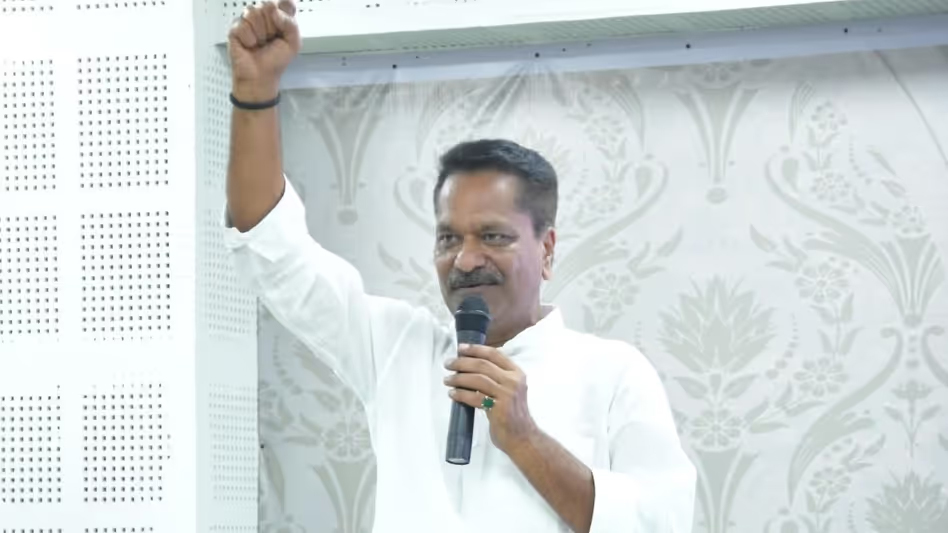
Diphu | Assam Chief Minister Himanta Biswa Sarma on Monday said Karbi Anglong had moved beyond years of violence and armed conflict and was now charting a new course through education, culture and sports.
Addressing the Platinum Jubilee celebrations marking 75 years of the district’s formation at Taralangso in Diphu, Sarma said the region had entered a new phase of peace and development, with cultural identity and education emerging as key drivers of its progress.
“There is no longer the sound of weapons here; there are no rifles, grenades or gunshots. Today, we are moving forward with a renewed resolve to conquer the world through our culture, education and sports,” the Chief Minister said. A major highlight of the celebrations was the distribution of appointment letters to 702 selected candidates appointed as teachers under the jurisdiction of the Karbi Anglong Autonomous Council (KAAC).
The celebrations also witnessed a massive cultural performance at KASA Stadium, where 15,000 young men and women representing 17 communities within the KAAC area came together to perform the traditional Karbi folk dance ‘Nimso Kerung’ in their respective traditional attire.

Describing the performance as a significant initiative towards securing a place in the Guinness Book of World Records, Sarma announced that a similar programme would be organised in Guwahati at a later date. He also announced a financial incentive of Rs 25,000 for each participating artiste.
The Platinum Jubilee marked the 75th anniversary of the formation of the United Mikir and North Cachar Hills District on November 17, 1951. During the programme, the Chief Minister released a commemorative souvenir and felicitated artistes of the Karbi Cultural Society for winning the first global prize at the 16th International Cultural Performing Arts Olympiad held in Port Blair, Andaman and Nicobar Islands.
Another notable feature of the event was the collective rendition of a traditional prayer by 2,000 Karbi priests in the presence of the Chief Minister. Recalling the historical journey behind the formation of the district, Sarma acknowledged the contributions of prominent Karbi leaders, including Khorsing Terang, Samsonsing Engti, Sarsing Teron, Song Be and Nihar Rongphar.
He referred to the political developments of the 1930s, when the Mikir Hills were classified as a Partially Excluded Area under the Government of India Act, 1935, following the recommendations of the Simon Commission. Khorsing Terang subsequently won the 1937 Assam Provincial Legislative Assembly elections, becoming the first legislator from the region.
The Chief Minister also recalled that during the visit of then Assam Governor Sir Robert Neil Reid in December 1937, Samson Sing Ingti, Song Be and Khorsing Terang raised the demand for a separate district.
The movement gathered momentum with the establishment of the Karbi Adorbar at Kathalguri in Nagaon in 1945. With Sarsing Teron as its president and Samson Sing Ingti as general secretary, the organisation continued to press for a separate administrative identity. Following sustained efforts and the intervention of then Assam Premier Gopinath Bordoloi, the United Mikir and North Cachar Hills District was formally constituted on November 17, 1951.