

The state has proposed more than Rs 162 crore for tourism infrastructure, destination development and community tourism
 KRC TIMES NE Desk
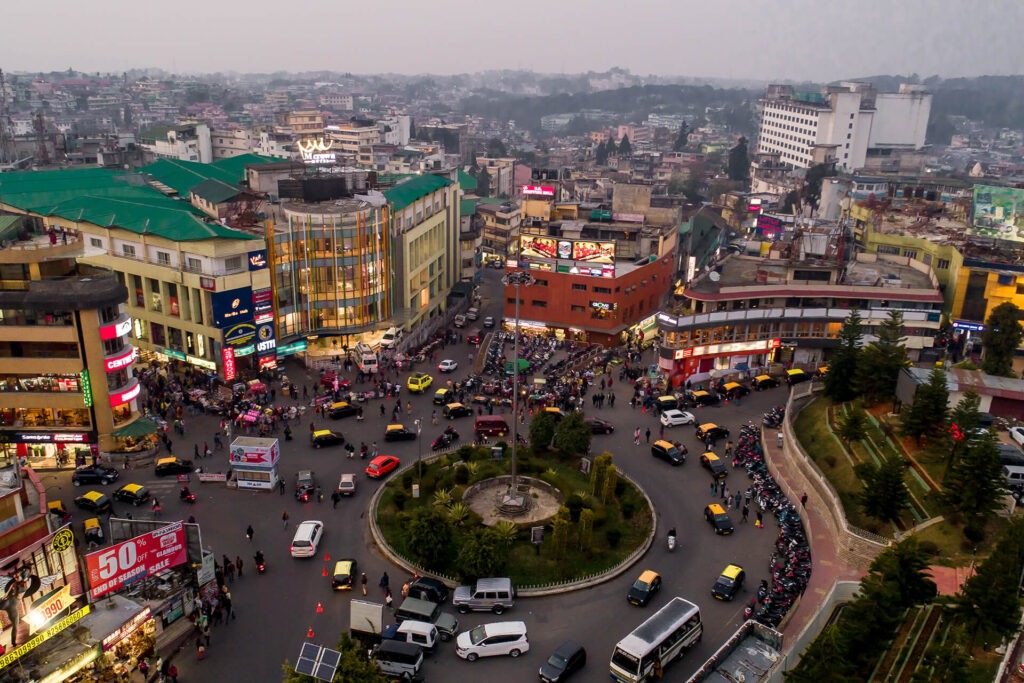
Shillong | Meghalaya is reshaping its tourism strategy with greater emphasis on local livelihoods, community participation, new destinations and environmental resilience, moving beyond a model primarily focused on increasing tourist arrivals.
According to state government data, tourism-linked livelihoods in Meghalaya rose from around 50,000 in 2022 to more than 75,000 in 2025. Tourist footfall also reached nearly 18.55 lakh last year.
The state is seeking to diversify tourism beyond established destinations such as Shillong and Sohra, while encouraging longer visitor stays and ensuring a larger share of tourism revenue remains within local economies.
The Meghalaya Tourism Policy 2023 promotes a high-value, low-volume approach, with carrying capacity, waste management and environmental sustainability incorporated into destination planning.
With more than 76 per cent of the state’s geographical area under forest cover, tourism development is also being linked to the conservation of forests, rivers, caves, waterfalls and Living Root Bridges.
Homestays have emerged as a key component of the community-led tourism model. The government has sanctioned 877 homestay applications and disbursed more than Rs 120 crore, with the programme estimated to have generated over 6,000 jobs.
The Meghalaya Homestay Mission aims to add or upgrade 1,000 homestays during 2026-27, as part of a broader target of 3,000 units.
The government is also promoting rural tourism cooperatives and community-led infrastructure to enable local communities to participate directly in destination development and tourism-related businesses.
Environmental conservation is being integrated into tourism through the Meghalaya Community-Led Landscape Management Project, which has covered more than 400 villages. Its initiatives include spring rejuvenation, mine-land restoration, Living Root Bridge conservation and payments for ecosystem services.
The state has proposed more than Rs 162 crore for tourism infrastructure, destination development and community tourism. Umiam, Sohra, Dawki-Shnongpdeng and Nokrek have been identified as major tourism hubs.
Among the larger projects is the Rs 233.75-crore PM-DevINE Sohra Tourism Circuit, covering Nohkalikai Falls, Mawsmai Eco Park and the Khasi Heritage Experiential Centre.
Other planned projects include a ropeway at Shillong Peak, the Mawkdok Skywalk, a Rain and Bamboo Interpretation Centre at Mawsynram, a Living Root Bridge Museum, the Tura Integrated Hospitality and Convention Centre and the Umngot Riverfront Development at Dawki.
The government is also supporting local transport operators through the Prime Tourism Vehicle Scheme under the CM-ELEVATE programme. The scheme provides financial and credit support to entrepreneurs operating GPS-equipped tourism vehicles and includes branding and mandatory tourism-related training.
Technology is being incorporated into destination management, with plans to use digital tools and artificial intelligence to monitor visitor numbers, traffic and occupancy, forecast demand and manage crowd movement and carrying capacity.
Trained local youth, known as ‘Tourist Buddies’, are also being deployed at major destinations to provide information, assist visitors and respond to emergencies.
The state’s festival and creative economy is another emerging component of tourism. The Chief Minister’s Meghalaya Grassroots Music Programme has supported more than 7,000 artists and generated over 6,000 direct and indirect livelihoods, according to government figures.
Events such as the Me’gong Festival, Shillong Cherry Blossom Festival and Shillong Literary Festival together drew more than 1.1 lakh visitors in 2025, while smaller events including Culinary Cascade and the Meghalaya Pineapple Festival attracted around 10,000 visitors each.
The Meghalaya Film Tourism Policy 2025 is aimed at attracting film and media productions to the state while creating opportunities for local service providers.
Heritage conservation is also being incorporated into tourism development. The Pine Home Eco-Sustainable Model Project at Mawlangwir uses local materials and community participation, while the Twahlongwar Open Air Museum in Mawsynram showcases more than 20 ancient structures, megaliths, an old iron furnace and historical trade routes.
The broader strategy seeks to measure tourism not only through visitor numbers but also through employment, local businesses, environmental conservation and the economic benefits retained by communities.
For Meghalaya, the approach places the state’s landscapes and indigenous cultural heritage at the centre of tourism growth while highlighting the need to manage the environmental pressures associated with a growing visitor economy.