

Rio said concerns over the proposed amendments had been raised particularly by sections of the Christian community in Nagaland
 KRC TIMES NE Desk
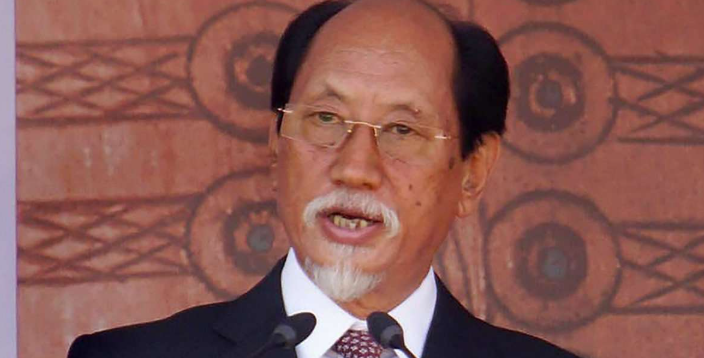
Kohima | Nagaland Chief Minister Neiphiu Rio has urged Union Home Minister Amit Shah to reconsider the proposed amendments to the Foreign Contribution (Regulation) Act (FCRA) and refer the FCRA Amendment Bill, 2026, to a parliamentary committee for wider consultation.
In a letter to Shah on Monday, Rio said the proposed changes could place additional compliance and administrative burdens on churches and Christian charitable organisations in Nagaland, potentially affecting their education, healthcare, humanitarian and social-welfare activities.
Rio called for a comprehensive examination of the Bill by a parliamentary panel and sought consultations with relevant stakeholders before the proposed amendments are taken forward.
He said such a process would help address concerns raised by various sections of society, remove apprehensions and strengthen public confidence while maintaining transparency, accountability and national interest.
The chief minister said the approach would also reflect an inclusive position and reinforce constitutional values, secular principles and respect for the contributions of different communities.
The FCRA Amendment Bill, 2026, was introduced in the Lok Sabha on March 25 and is expected to come up for discussion during the ongoing Monsoon session of Parliament.
Rio said concerns over the proposed amendments had been raised particularly by sections of the Christian community in Nagaland. He pointed out that the Nagaland Baptist Church Council (NBCC) and the Bishop of Kohima had submitted representations to the Union Home Ministry regarding difficulties faced by churches and charitable organisations.

Send your resume:
biswa@jigyasu.co.in
krcfoundation@gmail.com
The chief minister said he had met Christian leaders, including representatives of the NBCC and the Bishop of Kohima, on August 9 to discuss the issue.
According to Rio, the consultations highlighted concerns about the ability of churches and Christian organisations to continue their humanitarian and community-oriented activities under increasingly stringent FCRA requirements.
More than 90 per cent of Nagaland’s population is Christian, and churches have historically played a major role in the state’s social and community life, Rio said.
He noted that churches and Christian organisations have contributed to education, healthcare, poverty alleviation, livelihood support and other welfare activities, particularly in remote and economically disadvantaged areas.
Rio said several such initiatives have been supported through legitimate foreign contributions, partnerships and assistance.
He argued that stringent FCRA regulations and compliance requirements were already imposing significant financial and administrative pressures on smaller churches and charitable institutions.
“If implemented in their present form,” the proposed amendments could further increase these difficulties and affect ongoing education, healthcare, welfare and humanitarian programmes, he said.
The chief minister expressed particular concern about smaller grassroots organisations operating in remote and underserved areas, saying they may have limited financial and administrative capacity to meet additional compliance requirements.
Rio also referred to concerns over the rejection of FCRA renewal applications by some Christian organisations on grounds relating to the alleged use of foreign contributions for religious conversion.
He urged the Centre to examine such cases individually, taking into account the actual nature and objectives of the organisations concerned.
Given Nagaland’s demographic and social context, Rio said legitimate charitable, educational, healthcare and social-welfare activities should not be adversely affected by broad or generalised assessments.
The chief minister also highlighted the role of churches and Christian organisations during natural disasters and other emergencies.
He cited their involvement in relief and rehabilitation efforts during floods and landslides in Nagaland, as well as their contribution during the COVID-19 pandemic, when churches and Christian institutions mobilised volunteers, infrastructure and resources to assist communities and government agencies.
Rio further underlined the historical contribution of Christianity and church institutions to Nagaland’s development over more than 150 years.
He referred to the longstanding links between the Baptist movement in Nagaland and Baptist organisations in the United States, as well as the international networks maintained by the Catholic Church and other Christian denominations.

According to Rio, Christian missions and institutions contributed to the development of Nagaland even before the state attained statehood, when modern educational, healthcare and administrative infrastructure remained limited.
He said churches and missionary institutions helped expand access to education, healthcare and humanitarian assistance in remote areas, contributing to literacy and social development.
Rio maintained that Christian institutions have also contributed to nation-building through schools, colleges, universities, hospitals, healthcare facilities, charitable organisations and social-service institutions that serve people across religious and social backgrounds.
The chief minister’s appeal comes as Parliament considers changes to the FCRA framework, with stakeholders in Nagaland seeking wider consultations before any new compliance provisions are enacted.