Brings the Fragile Hope of Education in Tiwa Community to the Fore
 KRC TIMES Manipur Bureau
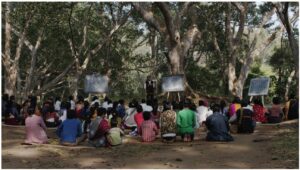
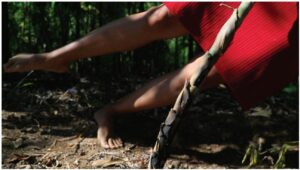
MANIPUR : The poignant story of a teacher’s unwavering commitment to education amid isolation, social resistance and the changing realities of a remote indigenous community came alive at Tribal Frame 2026, a National Tribal Film Festival in Manipur, with the screening of Sikaisal (If Only Trees Could Talk) on November 13. Directed by two-time National Film Award-winning filmmaker Dr. Bobby Sarma Baruah, the 104-minute Tiwa-language fiction film from Assam offered a deeply reflective portrayal of education, perseverance and the challenges of bringing meaningful change to a community.

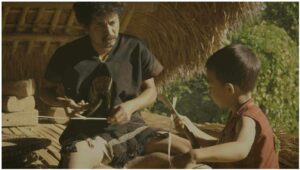
Set in a remote Tiwa settlement in West Karbi Anglong, Assam, the film followed Maheshwar Patar, a dedicated teacher whose modest yet profound dream was to bring education to his own people. Convinced that knowledge could open new possibilities for his community, Maheshwar fought to establish a school.
However, when the institution he had worked so hard to build remained empty, his determination was tested, and his faith in the possibility of change began to falter. Caught between geographical isolation, community resistance and the painful limitations of social transformation, Maheshwar confronted a reality in which establishing a school proved far easier than ensuring that its doors were meaningfully embraced.
His struggle unfolded as a quiet but powerful reflection on the complexities of education in remote indigenous societies, where aspirations for progress often encountered deeply rooted social and structural challenges. Rather than presenting education as an easy answer to every problem, Sikaisal examined the emotional and human dimensions of a teacher’s mission. Through Maheshwar’s journey, the film explored the loneliness of perseverance, the weight of unfulfilled expectations and the fragile hope that continued to survive even when change appeared distant.
The screening at Tribal Frame 2026 added another significant dimension to the festival’s engagement with indigenous narratives and the lived experiences of tribal communities. By bringing a Tiwa-language story from Assam to a national tribal film platform in Manipur, the film offered audiences an opportunity to reflect on the aspirations, struggles and realities of communities whose stories deserved wider recognition.

The film also underscored the importance of indigenous-language cinema as a medium of cultural expression and social reflection. Its central concern extended beyond the establishment of a school, raising larger questions about access to education, community participation, cultural identity and the challenges of creating sustainable change in remote regions. A filmmaker committed to Northeast India’s stories
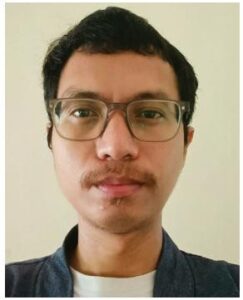
The film was directed by Dr. Bobby Sarma Baruah, a distinguished filmmaker, producer and screenwriter from Assam, who had earned recognition through her two National Film Awards and her commitment to portraying the socio-cultural realities of Northeast India.
With a PhD in Communication and Journalism from Gauhati University, Baruah had established herself as an important voice in Indian regional and indigenous cinema. Her engagement with the wider film world had included jury responsibilities at several prestigious national and international film festivals, including Venice, Jeonju, the International Film Festival of India (IFFI) and the Mumbai International Film Festival (MIFF).
A member of the Network for the Promotion of Asian Cinema (NETPAC) and a Senior Fellow of the Ministry of Culture, Government of India, she had also represented Indian cinema on international platforms, including Cannes. Her filmmaking journey reflected a sustained interest in stories emerging from the cultural landscapes of Northeast India, bringing local experiences, identities and social concerns into broader cinematic conversations.
A quiet story with a larger message At its heart, Sikaisal (If Only Trees Could Talk) was not merely a story about a school that remained empty or a teacher whose dream faced uncertainty.
It was a meditation on the difficult relationship between aspiration and reality, and on the individuals who continued to believe in change despite repeated disappointments. Its screening at Tribal Frame 2026 on November 13 in Manipur highlighted the significance of cinema in documenting and presenting the diverse experiences of India’s tribal communities.
Through the story of Maheshwar Patar, the film brought attention to the oftenoverlooked struggles surrounding education in indigenous regions and the determination of those who worked to create opportunities for future generations. In giving cinematic expression to one teacher’s struggle, Sikaisal ultimately left audiences with a compelling question: what remained of a dream when the institution built to fulfil it stood empty?
The film’s quiet answer rested in the perseverance of those who refused to abandon hope. Like the trees suggested in its evocative title, the story invited viewers to listen closely to the histories, silences and aspirations of a community whose experiences continued to shape its future.