


Calls for an Impartial Probe, Questions Over Barak Valley Leaders’ Response
 KRC TIMES Barak Valley Bureau
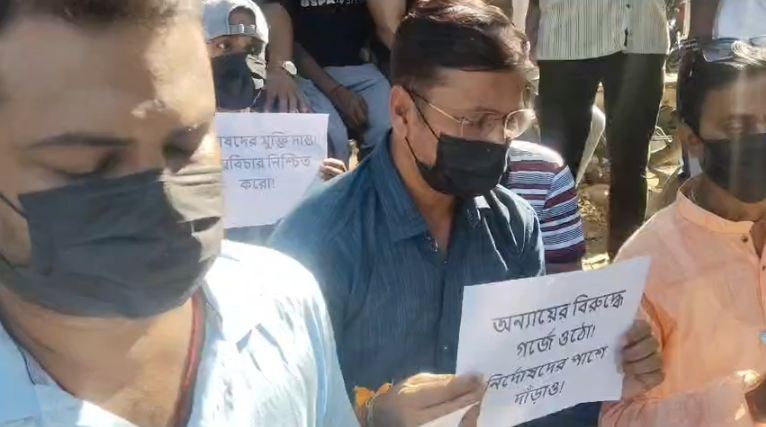
SILCHAR | The facts behind the clash must be established through a fair investigation. Allegations of harassment based on Bengali identity also deserve scrutiny, while questions grow over the role of local representatives.
The clash in Sribhumi has triggered widespread discussion and political reactions across Assam, bringing several important questions to the fore. Who was involved, what role did each person play, and what evidence exists against those accused? These questions must be answered through a proper investigation. However, concerns are also being raised over whether the incident is being given an Assamese-versus-Bengali dimension before the facts have been fully established.
If any individual is found guilty of an offence, the law must take its course. But the actions of one person cannot be used to hold an entire linguistic community responsible. If the Sribhumi incident has led to ordinary people facing abuse, threats or harassment because of their Bengali identity, those allegations must also be investigated seriously.
Justice cannot be the preserve of one side. Evidence against the accused is essential, but protecting the rights and safety of innocent people is equally the administration’s responsibility.
Questions over the role of elected representatives
Several leaders from Guwahati have reportedly reacted to the incident, calling for an impartial investigation and strict action against those found guilty. Such demands are legitimate, provided they do not prejudge the outcome of the investigation. At the same time, allegations of harassment or hostility directed at ordinary people because of their linguistic identity must receive equal attention.
This raises questions about the role of elected representatives in the Barak Valley. Expectations are high of legislators, MPs and ministers from the ruling party, as well as those from the Opposition. Are they seeking a comprehensive account of the incident from the administration? Are they meeting the families concerned? Are they helping arrange legal assistance wherever necessary?

Reports that a mother has publicly sought justice for her son make it all the more important for representatives to hear her concerns and examine the status of the case. However, justice must be determined by evidence and due process, not by emotion or public pressure.
If people are dissatisfied with the visible response of their representatives, those concerns deserve an answer. Standing by citizens during a crisis is part of the responsibility of elected office, not a question of political allegiance.
Police statements and the need for transparency
The official statement of the Superintendent of Police has also become part of the debate. The police version deserves consideration, but it cannot substitute for a thorough investigation. The full sequence of events must be established by examining complaints, witness accounts, documents and other relevant evidence.
Who participated in the clash? What evidence has been gathered against those arrested? What is the basis of the allegations concerning police action? These questions require clear answers. Complaints regarding a police lathi-charge or any other action must also be examined impartially.
Accepting one side’s version without verification would be inappropriate. Equally, information supported by evidence should not be dismissed because of political considerations or linguistic identity.
Social organisations have a responsibility too
The role of social, cultural and language-based organisations in the Barak Valley is also being questioned. It is right to insist that facts be verified before making public statements. But caution should not mean avoiding questions about citizens’ safety and dignity.
Organisations can call for an impartial investigation, help affected families access legal assistance and appeal for an end to hostility against any community. Such steps can be taken firmly without aggravating tensions.
If individuals are being targeted because they are Bengali, those incidents deserve to be condemned and investigated. Any response, however, should remain evidence-based, peaceful and within the law.
Justice, not division
Turning the Sribhumi incident into an Assamese-versus-Bengali confrontation would ultimately hurt ordinary people. The social ties, livelihoods and everyday relationships shared by different linguistic communities across Assam and the Barak Valley are far more significant than the political interpretation of a single incident.
The demands, therefore, should be clear: identify those responsible for the clash and act against them in accordance with the law; protect anyone facing wrongful harassment; investigate allegations concerning police conduct; and examine any threats or abuse allegedly directed at people because of their linguistic identity.
Questions also remain for the elected representatives of the Barak Valley. What steps are they taking to address these concerns? Will they come together to seek transparency from the administration and provide answers to the people they represent?
The Sribhumi incident must be judged on the basis of evidence, not identity. The alleged wrongdoing of an individual cannot be used to blame an entire community. The people of the Barak Valley deserve justice and dignity-and ensuring both is the responsibility of the administration, political leaders and social organisations alike.



