

The Day also serves as a reminder of Manipur’s struggle against colonial oppression and inspires future generations to uphold values of courage and unity
 KRC TIMES Manipur Bureau
Khongjom Day, observed annually on April 23 in Manipur, India, commemorates the bravery and sacrifice of Manipuri warriors who fought against British colonial forces during the Battle of Khongjom in 1891, a pivotal event in the Anglo-Manipuri War. This battle, fought at Khongjom in Thoubal district of Manipur, marked the final major resistance against British imperialism in Manipur, ending with the kingdom’s defeat and loss of sovereignty. The day honors heroes like Major Paona Brajabasi, who died refusing to surrender, symbolizing patriotism and defiance against overwhelming odds. Despite being outnumbered and outgunned, the Manipuri soldiers’ fierce resistance left a lasting legacy of courage.
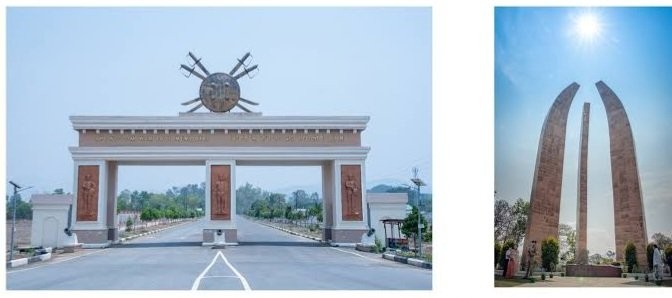
The observance, held at the Khongjom War Memorial Complex, includes floral tributes, gun salutes, traditional rituals like tarpan at the Khongjom River, and cultural programs such as Khongjom Parva ballads. It reinforces Manipur’s cultural identity, educates younger generations about their history, and inspires unity and resilience. Khongjom Day also reflects the broader struggle against colonial oppression, marking Manipur as the last Indian state to fall under British rule after the battle.
The Day also serves as a reminder of Manipur’s struggle against colonial oppression and inspires future generations to uphold values of courage and unity.
The Battle of Khongjom, fought on April 23, 1891, was a pivotal event in the Anglo-Manipur War and one of the most significant battles in Manipur’s history. It marked the final major resistance by Manipuri forces against the British colonial army, which sought to consolidate control over the princely state of Manipur. The battle took place at Khongjom, a village in Thoubal district, approximately 35 kilometers from Imphal, and is remembered for the extraordinary bravery of Manipuri warriors despite their defeat.
Background
The Anglo-Manipur War stemmed from internal political turmoil in Manipur and British intervention in the state’s affairs:
In 1890, a palace coup led by Tikendrajit Singh (also known as Koireng), the Senapati (commander-in-chief) of Manipur, ousted the reigning Maharaja, Surchandra Singh, who fled to Calcutta and sought British help.
The British, who maintained a political agent in Manipur under their policy of indirect rule, saw the coup as a challenge to their authority. They recognized Surchandra as the legitimate ruler and demanded Tikendrajit’s arrest.
On March 22, 1891, J.W. Quinton, the Chief Commissioner of Assam, arrived in Imphal with a military escort to enforce British demands. However, negotiations failed, and tensions escalated.
On March 24, 1891, Manipuri forces, under Tikendrajit’s leadership, attacked the British residency in Imphal, leading to the execution of Quinton and four other British officers after a public trial. This act infuriated the British, who launched a full-scale military campaign to subdue Manipur.
The British assembled three columns of troops from Kohima, Silchar, and Tamu to invade Manipur, with the intent to capture the capital, Imphal, and crush the rebellion.
The Battle of Khongjom
The Battle of Khongjom was the climactic engagement of the British advance from the Tamu column, led by Colonel R.H.F. Rennick. The Manipuri forces, aware of the approaching British, prepared to defend their homeland at strategic points, with Khongjom becoming the site of the fiercest resistance.
Key Details of the Battle:
Manipuri Forces: The Manipuri army was led by Major Paona Brajabashi, a skilled and courageous commander, along with other leaders like Yengkoiba Singh and Chinglensana Singh. The forces were primarily composed of local warriors armed with traditional weapons such as swords, spears, and shields, along with some firearms, including muskets. However, they lacked modern artillery and were significantly outnumbered.
British Forces: The British column consisted of well-trained Gurkha and Indian sepoys, equipped with advanced weaponry, including Maxim guns (early machine guns), rifles, and artillery. Their superior firepower and military discipline gave them a significant advantage.
Terrain and Strategy: Khongjom’s landscape, with its open fields and the Khongjom River, provided limited cover for the Manipuri defenders. The Manipuris relied on guerrilla tactics and direct assaults, leveraging their knowledge of the terrain and sheer determination to resist the invaders.
Course of the Battle:
The battle began in the early hours of April 23, 1891, as British forces advanced toward Khongjom.
Paona Brajabashi and his men engaged the British in intense hand-to-hand combat, displaying remarkable valor. Despite heavy casualties from British gunfire, the Manipuris repeatedly charged the enemy lines.
According to historical accounts and Manipuri folklore, Paona Brajabashi was offered a chance to surrender by the British, who admired his bravery. He reportedly refused, declaring he would fight to the death for his motherland. Paona fell in battle, struck by a bullet, becoming a martyr and symbol of Manipuri resistance.
The Manipuris fought fiercely but were overwhelmed by the British’s superior numbers and technology. By the end of the day, the Manipuri defenses collapsed, and the British emerged victorious.
Casualties:
Exact casualty figures are uncertain, but the Manipuris suffered heavy losses, with hundreds of warriors killed or wounded. The British also sustained casualties but far fewer due to their tactical and technological advantages.
The battle resulted in the deaths of several prominent Manipuri leaders, including Paona Brajabashi, whose sacrifice became legendary.
Aftermath
The defeat at Khongjom paved the way for the British to capture Imphal on April 27, 1891, effectively ending Manipuri resistance.
The British arrested key leaders, including Tikendrajit Singh and Thangal General, who were later tried and publicly executed on August 13, 1891, at Pheida Pung (now Kangla Uttra) in Imphal. Their executions sparked widespread resentment among the Manipuri people.
Manipur lost its sovereignty and was annexed as a princely state under British control. A young puppet ruler, Churachand Singh, was installed as Maharaja, and the state was governed under British oversight until India’s independence in 1947.
The Anglo-Manipur War and the Battle of Khongjom left a deep scar on Manipuri society, fostering a sense of nationalism and resistance against colonial oppression.
Legacy and Commemoration
The Battle of Khongjom is a cornerstone of Manipuri identity, symbolizing courage, sacrifice, and defiance against foreign domination. Key aspects of its legacy include:
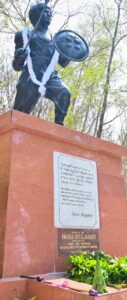
Paona Brajabashi: He is celebrated as a national hero, with his story immortalized in Manipuri literature, ballads, and the Khongjom Parva, a traditional narrative song performed during Khongjom Day celebrations.
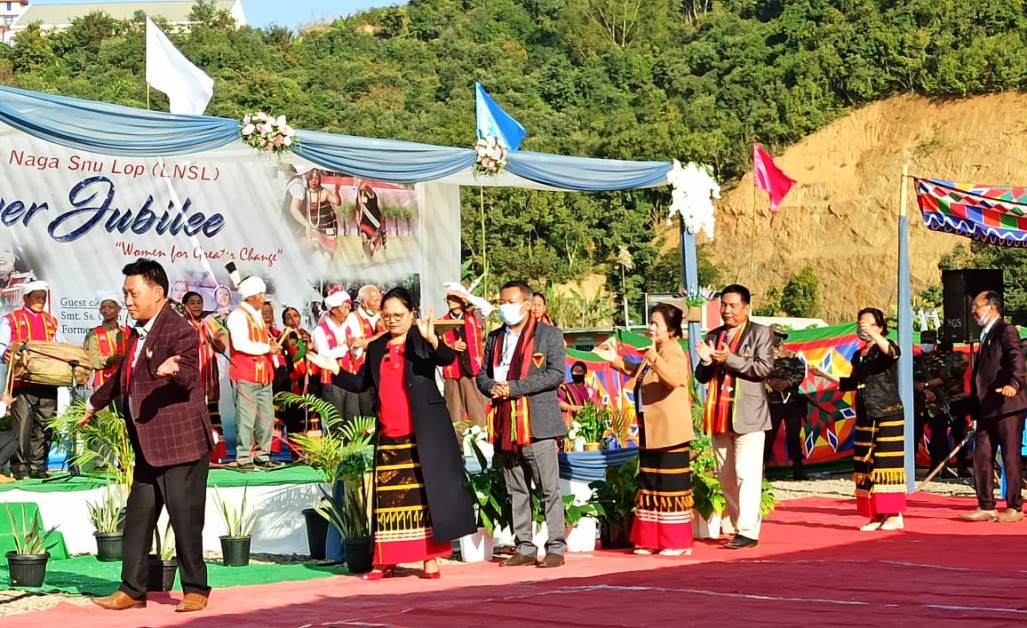
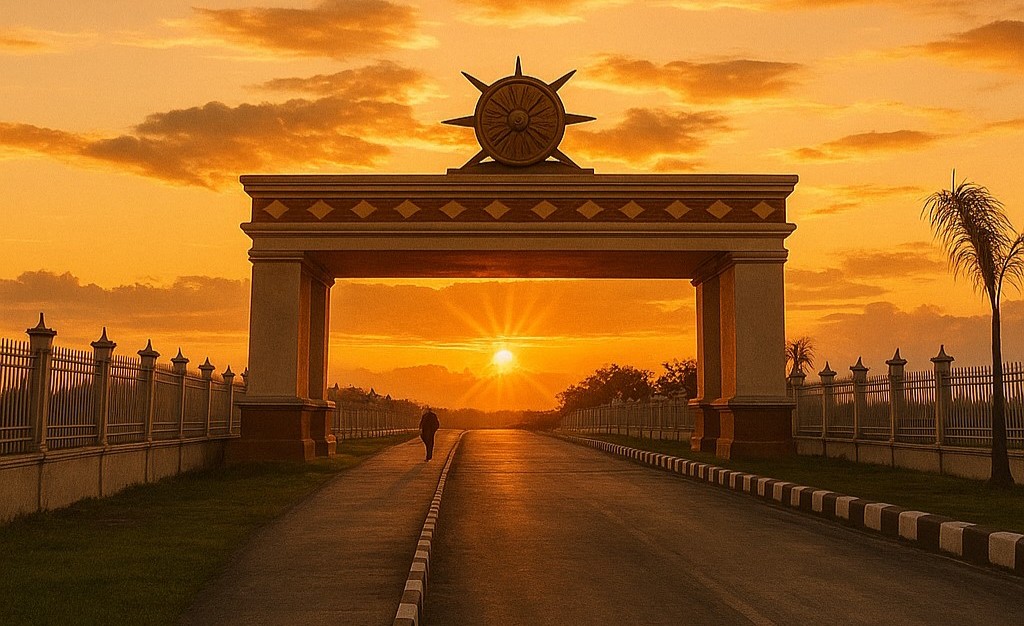
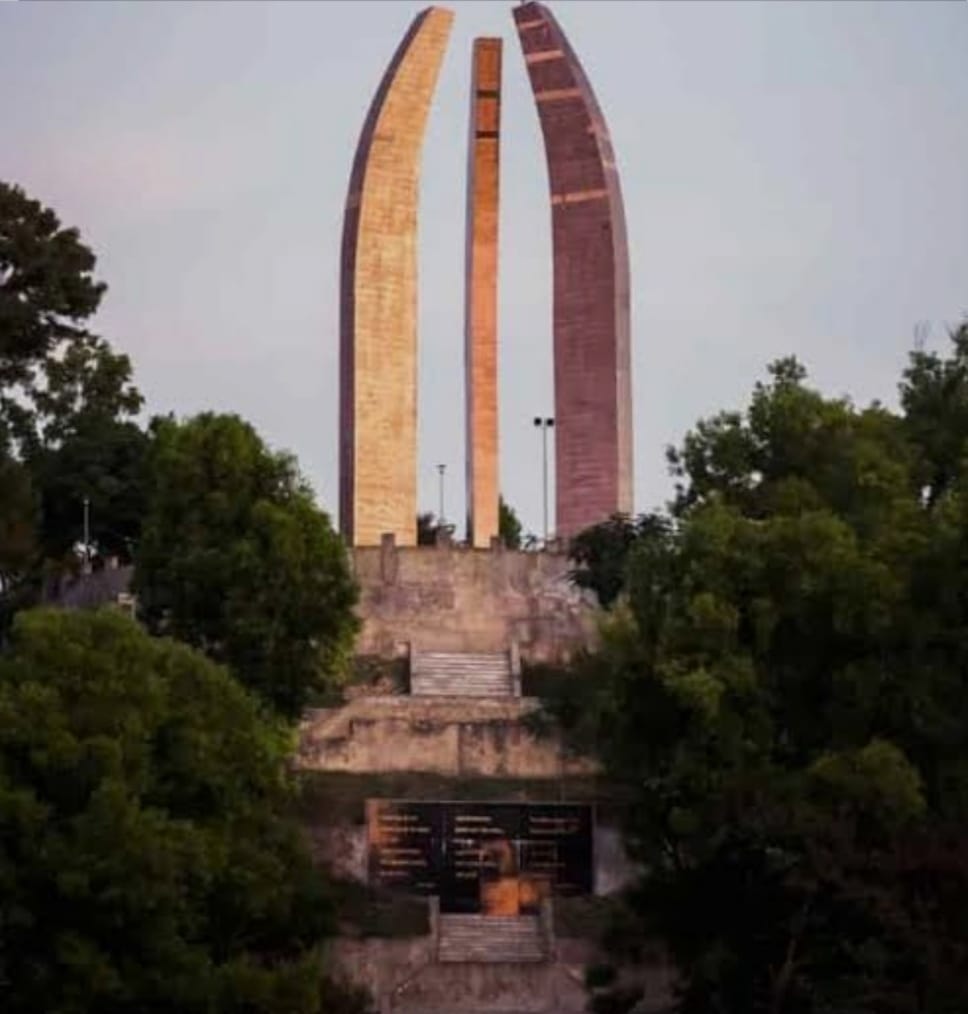
Khongjom Day: Observed annually on April 23, it is a state holiday in Manipur. Ceremonies are held at the Khongjom War Memorial Complex, where tributes are paid to the martyrs. The day includes cultural performances, speeches, and reenactments of the battle to educate younger generations.
Khongjom War Memorial: Located at Khebaching, the memorial features statues of Paona Brajabashi and other warriors, serving as a pilgrimage site for those honoring the fallen.
Cultural Impact: The battle inspires Manipuri art, theater, and literature, reinforcing themes of patriotism and unity. It also strengthens the state’s historical narrative of resisting external control, resonating with contemporary issues of identity and autonomy.
Significance
The Battle of Khongjom was not just a military defeat but a defining moment that showcased the indomitable spirit of the Manipuri people. Despite their loss, the warriors’ bravery in facing a vastly superior force became a source of pride and inspiration. The battle highlighted the broader struggle of indigenous states against British imperialism in India and remains a powerful symbol of resistance and sacrifice in Manipur’s collective memory.
Promotional | Subscribe KRC TIMES e-copy