

The initiative is expected to increase the use of renewable energy in government operations while helping reduce electricity expenditure
 KRC TIMES NE Desk
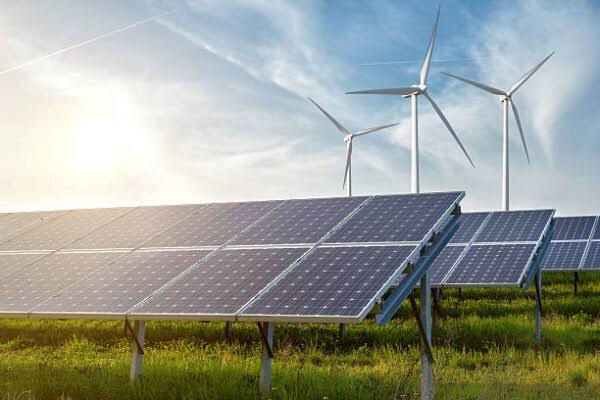
Agartala : Tripura has set a target of adding 11 MW of solar power generation during the 2026-27 financial year as part of its efforts to expand renewable energy infrastructure and reduce dependence on conventional power sources.
The initiative is being led by the Tripura Renewable Energy Development Agency (TREDA), which is stepping up efforts to promote clean energy adoption across government institutions and remote areas of the state.
Currently, Tripura generates around 35 MW of solar power. According to TREDA Director General (in-charge) Debabrata Sukladas, the agency has intensified preparations to achieve the new target, with a particular focus on strengthening solar infrastructure in public offices.
As part of the expansion programme, solar power systems will be installed in all 58 Block Development Offices and 275 village committee offices across the state. The initiative is expected to increase the use of renewable energy in government operations while helping reduce electricity expenditure.

Send your resume:
biswa@jigyasu.co.in
krcfoundation@gmail.com
Sukladas said the solarisation drive would also be extended to other government establishments. The tendering process for the project is in its final stages and is expected to be floated soon.
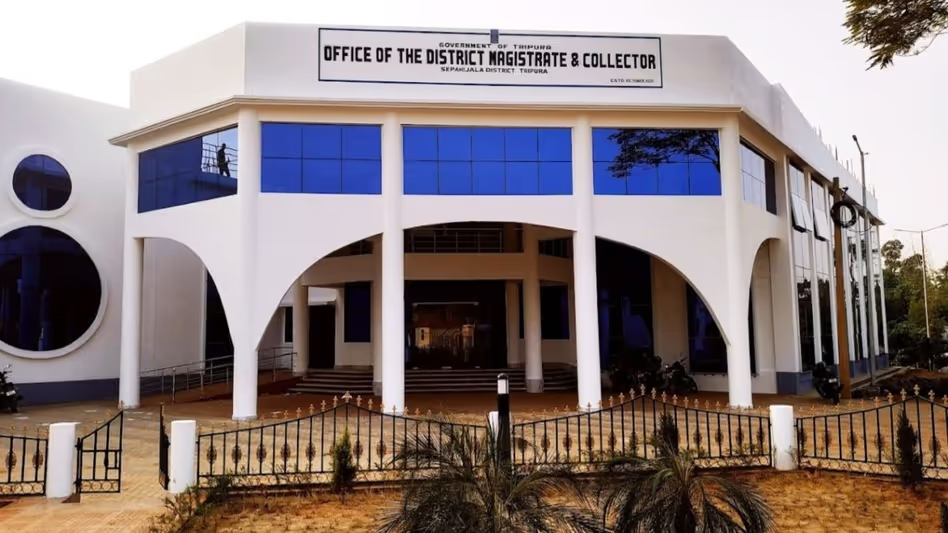
He noted that all district magistrate offices in Tripura have already been equipped with solar power systems, reflecting the state government’s commitment to promoting sustainable and environmentally friendly energy practices.
Officials said the government is increasingly viewing solar energy as a practical and sustainable alternative to electricity generated from gas-based power plants. The shift is expected to strengthen energy security, lower carbon emissions and contribute to long-term environmental sustainability.
The importance of solar power is particularly evident in Tripura’s remote and hilly regions, where extending conventional electricity infrastructure is often difficult and costly because of challenging terrain and dispersed settlements.
“We are trying to offer an effective solution for providing reliable electricity in remote locations where grid connectivity is difficult and cost-intensive,” Sukladas said.
With the planned capacity addition, Tripura aims to further accelerate its renewable energy transition while improving access to reliable power in underserved areas and reducing reliance on conventional energy sources.