

Congress leader seeks government above community interests
 KRC TIMES Manipur Bureau
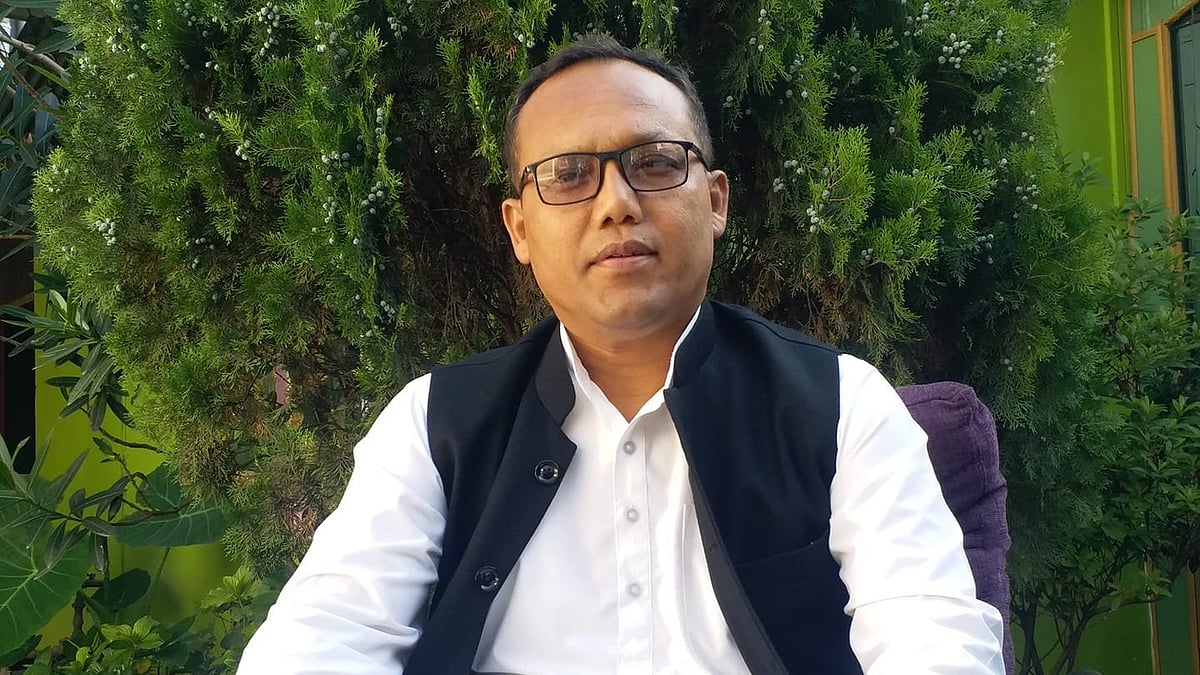
IMPHAL | Manipur needs a government that is perceived as neutral by all communities and does not extend political protection to violence, Congress Legislature Party leader Keisham Meghachandra Singh said on Wednesday, as the state continues to grapple with the fallout of prolonged ethnic conflict.
Singh said the continuing crisis had deepened perceptions among communities that the political leadership was aligned with competing interests and armed-group narratives, undermining confidence in the government as a neutral authority.
Describing Manipur as an “active volcano”, the Congress leader said such perceptions were making it increasingly difficult for the administration to command the trust of all sections of society.
He argued that when those in power are seen as having partisan loyalties, administrative decisions are often viewed through a community lens rather than judged on their merits. Such perceptions, he said, could further complicate efforts to find a lasting political solution to the conflict.

Singh called for a clear state policy built around three principles – no political protection for violence, no selective justice and no legitimisation of armed intimidation.
He stressed that accountability must be applied equally to all, irrespective of community.
“Manipur needs a government that stands above all armed groups and above all community interests,” Singh said, arguing that peace cannot be secured merely by indefinitely managing the conflict.
The Congress leader said restoring public confidence in the neutrality of the state machinery was critical to any meaningful peace process. He also called for equal access to justice for victims from all communities, saying accountability and fairness must remain central to efforts to rebuild trust.
Singh’s remarks come amid continuing tensions and sporadic incidents of violence in parts of Manipur, with competing claims by different groups continuing to shape public perceptions of the security and administrative response.
He maintained that a durable peace would require the government to move beyond community-based political calculations and establish itself as an impartial authority for all sections of the population.