The petitioners have also questioned the timing of the visit and raised it in the context of the EVM-related issues
 KRC TIMES Assam Bureau
Guwahati | The Gauhati High Court has fixed November 4 for further hearing on a PIL questioning the technical and legal aspects of electronic voting machines used in the 2026 Assam Assembly elections.
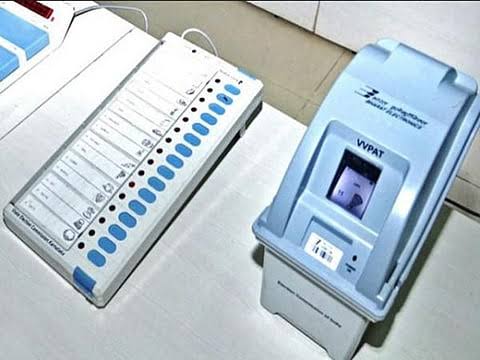
The petition, filed by Assam Jatiya Parishad leader Ziaur Rahman along with Congress leaders Guptamani Sharma and Ripun Bora, raises questions about the semiconductor components and microchips used in EVMs, their programming and the accessibility of their source code.
A bench headed by Chief Justice Ashutosh Kumar heard arguments on the maintainability of the PIL on September 18. Lawyers appearing for the petitioners and the Election Commission of India presented their submissions, following which the court listed the matter for further arguments on November 4.
The petitioners have argued that their case is distinct from earlier challenges to EVMs as it focuses specifically on the technology inside the machines and whether their programming can be independently examined.
Rahman has also claimed that the Election Commission has not made the relevant source code available for public scrutiny. He has referred to an RTI response which, according to him, treated the source code as information related to national security. These claims form part of the petitioners’ submissions and have not been adjudicated by the court.

Another aspect of the PIL concerns an alleged link between Japanese semiconductor company Renesas Electronics and Assam’s semiconductor investment initiatives. Rahman has claimed that Chief Minister Himanta Biswa Sarma met company representatives during his Japan visit in January 2025.
The petitioners have also questioned the timing of the visit and raised it in the context of the EVM-related issues. However, the court has not made any finding linking the visit to the functioning, security or programming of EVMs.
The PIL further refers to what the petitioners describe as identical polling figures recorded across several constituencies during a particular two-hour period on polling day. They have sought judicial scrutiny of the alleged pattern.
The Election Commission has opposed the petitioners’ submissions, while the Assam government is expected to present its position during the subsequent proceedings. Renesas Electronics has also been made a party to the case.
The High Court has so far not examined the substantive allegations concerning EVM technology, source code, polling patterns or the alleged Japan connection. The November 4 hearing will primarily deal with the maintainability of the PIL and whether the matter can proceed before the court.