


Dima Hasao hopes to use the opportunity to strengthen its position on the Northeast’s tourism map while ensuring that the benefits reach local communities
 KRC TIMES Assam Bureau
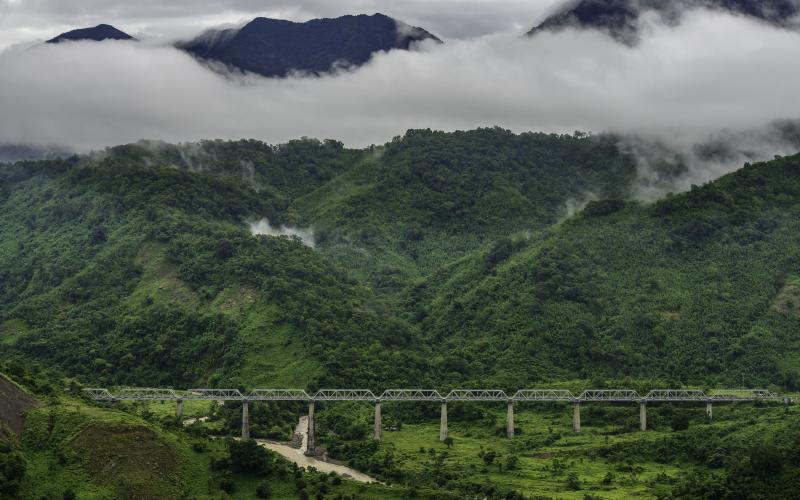
Guwahati | As travellers across the Northeast explore alternatives to established hill destinations, Assam’s Dima Hasao is seeking to draw greater attention to Haflong, offering a mix of rolling hills, tranquil landscapes, indigenous culture, local cuisine and adventure tourism.
The renewed push comes amid changing travel preferences and recent violence in neighbouring Meghalaya, which has brought the question of tourist destination choices across the region into focus. Dima Hasao hopes to use the opportunity to strengthen its position on the Northeast’s tourism map while ensuring that the benefits reach local communities.
“Dima Hasao is at an important stage in its tourism journey,” said Joshringdao Phonglo, chairman of the tourism department under the Dima Hasao Autonomous Council (DHAC).
The district’s tourism potential was evident in 2021, when it recorded an estimated 1.5 lakh visitors. However, the recovery suffered setbacks in 2022 following natural disasters that disrupted tourism activities, adding to the challenges left by the COVID-19 pandemic.
The latest effort is aimed at rebuilding visitor interest and expanding tourism circuits across the district.
Beyond the familiar hill destinations.

Haflong, Assam’s only hill station, remains central to the district’s tourism ambitions. Its green slopes, panoramic views and relatively quiet surroundings offer an alternative to more frequently visited destinations in the Northeast. But the district’s appeal extends beyond its landscape. Its indigenous communities, cultural traditions, food and local way of life offer opportunities for tourism experiences rooted in the region’s distinct identity.
Adventure tourism could provide another avenue for growth, while the development of wider tourism circuits may encourage visitors to spend more time exploring the district instead of limiting their trips to Haflong town.
For local residents, a sustained tourism revival could create opportunities in homestays, transport, food services, handicrafts and other small businesses. Such gains, however, would depend on whether visitor growth is supported by reliable infrastructure, accommodation and services.
Turning potential into sustainable growth
Dima Hasao’s challenge is to convert its natural and cultural assets into a dependable tourism economy. Better connectivity, visitor facilities, promotion of lesser-known attractions and support for community-based tourism will be important to that effort.
The district must also ensure that tourism development remains sensitive to its environment and indigenous heritage. Unplanned construction and excessive commercialisation could undermine the very qualities that make the region attractive.
With its earlier visitor numbers demonstrating an existing appetite for the destination, Haflong and the wider Dima Hasao district are looking to regain momentum. The immediate task is to rebuild confidence among travellers and develop tourism in a way that provides lasting benefits to the people who call the hills home.