


India’s chairmanship offers an opportunity to move the conversation from declarations to practical cooperation
 KRC TIMES Desk
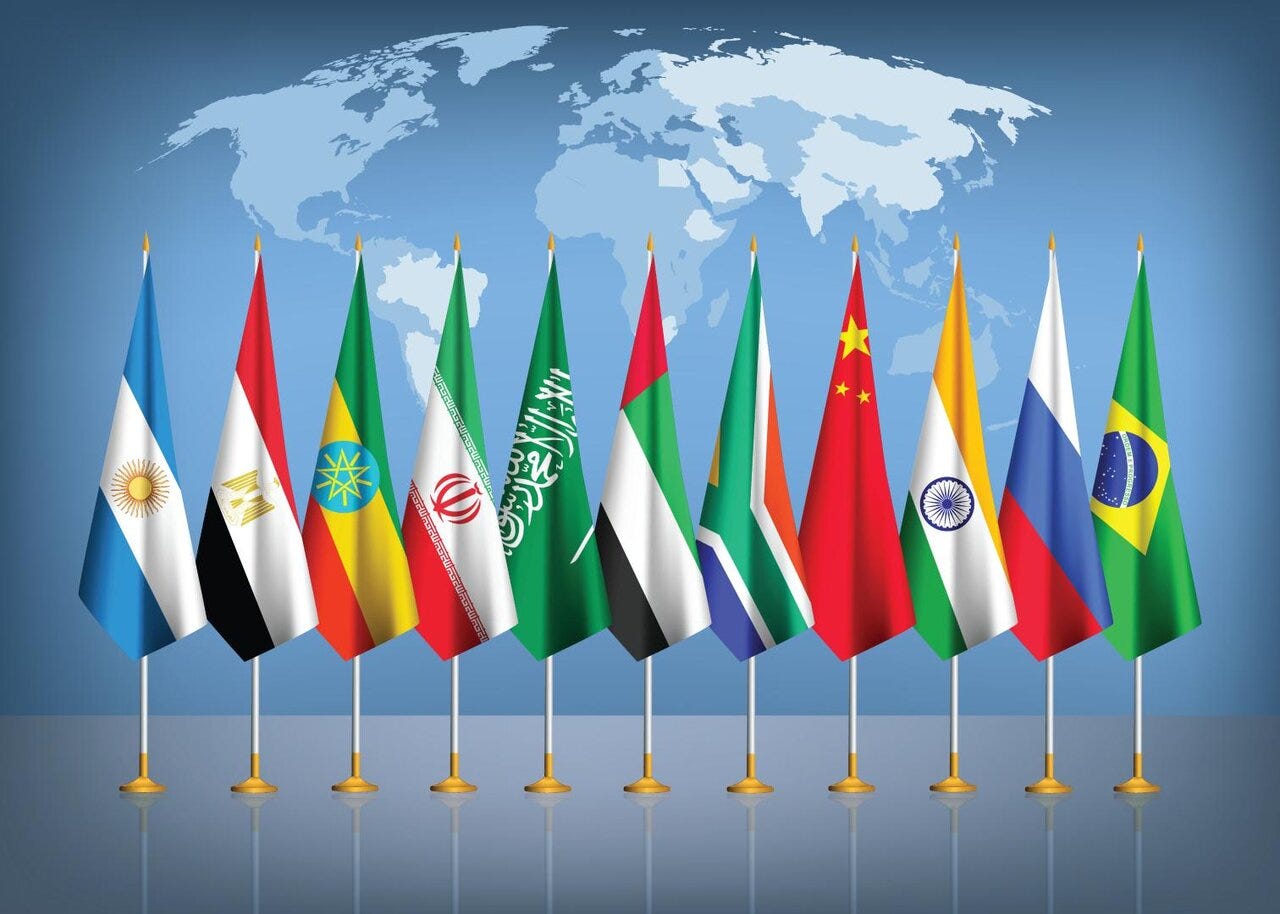
As India assumes the chairmanship of BRICS in 2026, it does so at a pivotal moment for global agriculture. The traditional architecture of agricultural trade, once defined largely by tariffs, quotas and market access negotiations, is undergoing a profound transformation.
Climate change, supply-chain disruptions, food security concerns, sustainability requirements, digital compliance systems and geopolitical tensions are increasingly shaping how nations produce, trade and consume food. In this changing landscape, agriculture has emerged as one of the most strategic dimensions of India’s BRICS presidency.
The significance of the BRICS grouping has expanded considerably following its recent enlargement. Today, the bloc accounts for nearly half of the world’s population, around 40 per cent of global GDP and roughly a quarter of international trade.
According to recent assessments, intra-BRICS merchandise trade has witnessed remarkable growth over the past two decades, reflecting the growing economic weight of emerging economies. While agriculture represents only a segment of this larger commercial relationship, it remains one of its most sensitive and consequential components.
Food occupies a unique place in national policymaking. Unlike many other traded commodities, disruptions in food systems have immediate social, economic and political consequences. Rising food prices can trigger inflationary pressures, threaten livelihoods and deepen vulnerabilities among the poorest sections of society.
Fertiliser shortages, energy shocks or disruptions in shipping routes can quickly affect farm productivity and food availability. It is therefore no exaggeration to state that agriculture has become central to questions of national security and economic stability.

Send your resume:
biswa@jigyasu.co.in
krcfoundation@gmail.com
The BRICS countries possess a remarkable diversity of agricultural strengths. Brazil stands among the world’s leading exporters of soybeans, sugar and meat. Russia plays a critical role in grain production and fertiliser exports. India contributes significantly through rice, spices, marine products and a wide range of commodities produced by millions of smallholders.
China remains one of the largest food importers and processors globally, while South Africa provides a gateway to important African agri-food markets. The inclusion of new members such as Saudi Arabia, the United Arab Emirates, Egypt, Ethiopia and Indonesia further broadens the bloc’s agricultural profile, bringing together expertise in logistics, food-security investments, tropical agriculture, fisheries and emerging African food systems.
Yet complementarities alone do not guarantee resilience. The experience of recent years has demonstrated that even countries with abundant production capacities remain vulnerable to disruptions caused by conflict, pandemics, climate-induced disasters and volatile commodity markets. The challenge before BRICS, therefore, is not merely to increase trade volumes but to create systems that make agricultural trade more predictable, transparent and reliable.
India’s chairmanship offers an opportunity to move the conversation from declarations to practical cooperation. One of the most important priorities should be the creation of trusted trade infrastructure. Modern agricultural commerce increasingly depends on the ability of countries to verify product quality, trace supply chains and meet stringent sanitary and phytosanitary standards.
Digital certification systems, interoperable documentation, streamlined customs procedures and greater regulatory cooperation can reduce transaction costs while improving trust among trading partners.
The foundation for such cooperation already exists. Previous BRICS discussions have recognised the importance of trade facilitation in agriculture and the need to harmonise standards wherever possible. The next step is implementation. India, with its experience in digital public infrastructure and large-scale technology platforms, is well positioned to champion systems that make agricultural trade more efficient and less vulnerable to bureaucratic delays.
Another area demanding urgent attention is the resilience of agricultural input supply chains. Food production does not begin at the farm gate; it starts with access to fertilisers, energy, seeds, finance and logistics. Recent geopolitical developments have exposed the fragility of these interconnected systems. Fertiliser shortages and energy price spikes have demonstrated how quickly disruptions in one part of the world can affect agricultural productivity elsewhere.

For India, this issue carries particular importance. A substantial portion of its fertiliser and energy requirements is linked to BRICS economies. Ensuring stable supplies is therefore not merely an economic concern but a strategic necessity. Cooperation among BRICS nations on early-warning systems, transparent market information and contingency planning could help mitigate future disruptions. Establishing mechanisms for timely information-sharing on stocks, prices and supply conditions would enhance preparedness and reduce uncertainty.
Equally important is the need for stronger agricultural market intelligence. Information has become as valuable as commodities themselves in an era marked by volatility. Reliable data on crop prospects, food stocks, weather patterns and trade flows can help governments anticipate shortages and respond proactively. The proposed BRICS Grain Exchange reflects recognition of this reality, but its broader value lies in creating greater transparency across agricultural markets.
India should advocate for a robust market intelligence framework within existing BRICS agricultural institutions. Such a mechanism could monitor commodity trends, track sanitary and phytosanitary alerts, assess production forecasts and provide early signals of emerging risks. Better information would not eliminate crises, but it would significantly improve the capacity of governments and businesses to manage them before they escalate.
However, the success of any agricultural trade agenda must ultimately be measured not only by export figures or trade balances but by its impact on people. Agricultural trade often benefits large corporations and commodity exporters, while millions of small farmers remain disconnected from the opportunities generated by global markets. This disconnect must be addressed if trade is to become a genuine instrument of inclusive development.
India’s emphasis on women and youth participation in agriculture provides a valuable framework for this effort. Women constitute a significant share of the agricultural workforce across many BRICS countries, yet they continue to face barriers in accessing markets, finance, technology and decision-making opportunities. Similarly, young people are increasingly reluctant to remain in agriculture unless it offers viable economic prospects.
The principles emerging from recent international discussions on women in agri-food systems underscore the importance of placing inclusion at the centre of agricultural transformation. India should use its chairmanship to promote value chains that enable smallholders, women farmers and rural youth to participate more effectively in trade.

This means improving access to technology, market information, finance, storage infrastructure and value-addition opportunities. A truly resilient agricultural system cannot be built on exclusion.
At the same time, BRICS must resist the temptation to evolve into a closed trading bloc. The objective should not be to create exclusive arrangements that fragment global markets further. Rather, the focus must remain on strengthening resilience, reducing vulnerabilities and ensuring that trade continues to serve broader food-security goals. Open markets, transparent rules and predictable policies remain essential pillars of a stable global food system.
India’s strengths make it particularly suited to guide this conversation. The country combines extensive experience in food security management with one of the world’s largest networks of smallholder farmers. It has pioneered digital solutions at scale, developed innovative agricultural research systems and demonstrated the capacity to balance domestic food-security concerns with participation in global markets. These experiences offer valuable lessons for many developing economies confronting similar challenges.
The broader significance of India’s BRICS chairmanship lies in its ability to shape emerging norms for agricultural cooperation in a fragmented world. The challenges facing global agriculture-climate change, resource constraints, market volatility and geopolitical uncertainty-cannot be addressed by any nation acting alone. Collective action, practical cooperation and institutional innovation will be essential.
If India succeeds in advancing mechanisms that make agricultural trade more reliable, improve transparency, strengthen supply-chain resilience and bring smallholders into the centre of the trading system, its chairmanship will leave a lasting legacy. The goal should not simply be more trade, but better trade-trade that supports farmers, protects consumers and contributes to global food security.
In an era of uncertainty, such an approach would represent an important step towards building a more resilient, trusted and farmer-centred agricultural order. The future geography of agricultural trade is being redrawn, and BRICS has the potential to become one of its defining architects. India now has the opportunity-and the responsibility-to help shape that future.