


Age-assurance technology that estimates an age bracket without extracting a Government ID is preferable to mass identity verification
 KRC TIMES Desk
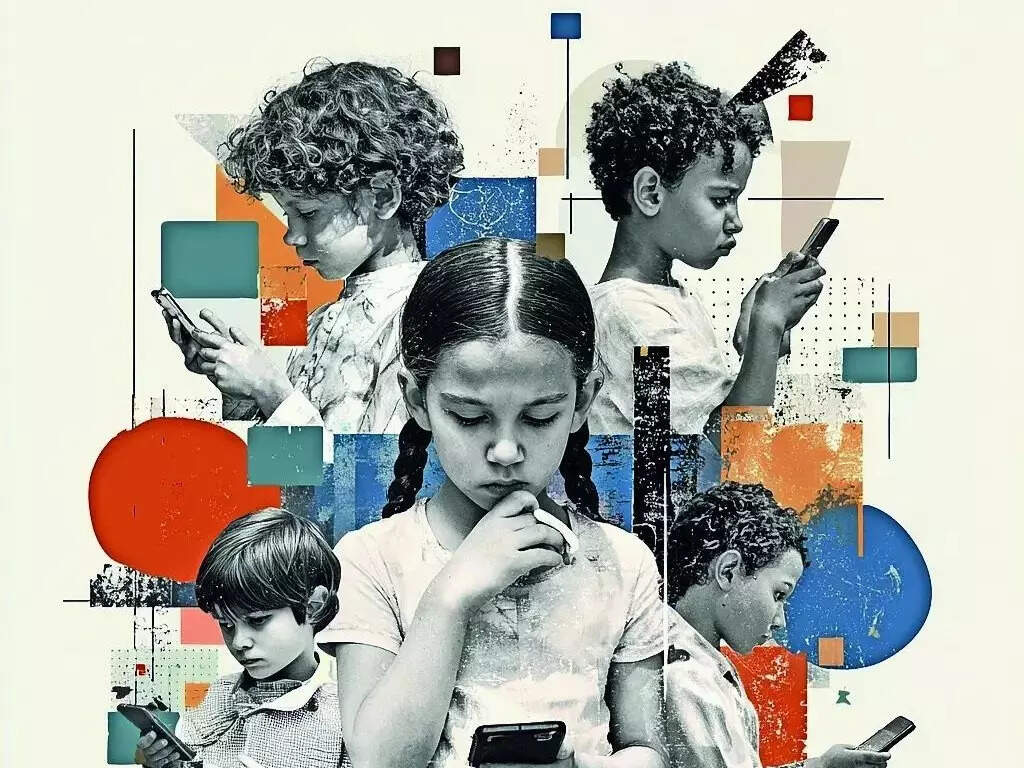
The Supreme Court’s decision to issue notice to the Union Ministries of Electronics and Information Technology and Law and Justice, on a plea by the NGO Just Rights for Children Alliance, has reopened one of the most difficult questions of our digital age: what, if anything, should the law do about children and social media? A bench led by the Chief Justice of India has acknowledged, in essence, that “some safeguards” are needed. Few would disagree with the sentiment.
The harder task, for both the Government and the courts, is working out what those safeguards should actually look like. The petition’s legal architecture is elegant. Since Section 11 of the Indian Contract Act renders a minor incapable of contracting, any “terms of service” a thirteen-year-old ticks to open an Instagram account is, in law, void from the outset; it is a clever way of dragging an old statute into a new problem, and it forces the state to confront an uncomfortable truth: platforms such as Facebook and Snapchat admit users from the age of thirteen, while Indian law treats anyone under eighteen as a minor.
But the instinct to fix this gap with a blunt instrument – a strict age bar, backed by mandatory e-KYC or Aadhaar verification – would very likely cause more harm than it prevents. To verify that a user is not a minor, platforms would need Government-grade identity documents from millions of citizens, creating exactly the kind of centralised data honeypot that data-protection advocates have spent a decade warning against.
It would also entrench a digital divide: children from families without smartphones, documented guardians, or digitally literate parents would simply be locked out of learning resources that middle-class children take for granted. And it would not even work. Anyone who has watched a teenager reset a birthdate or reach for a VPN knows that determined workarounds are only a search away. A ban doesn’t take kids off the internet; it takes away parental and platform oversight.
There is also a generational reality that no ruling can legislate away. A child today navigates a smart TV and a mobile phone with more fluency than many adults manage a spreadsheet. This is, whether we like it or not, a mobile-phone generation, one that often prefers the company of a screen to that of a sibling.

During the pandemic, six years ago now, even first-graders were taught over video calls – a reminder that blanket restrictions on devices are neither realistic nor, in a country still building its digital infrastructure, desirable. Yet the same openness that let a first-grader attend school online also leaves a teenager exposed to pornography, grooming and algorithmic manipulation. That’s the real double-edged sword of technology, and no rule can dull just one side.
Government policy, then, should resist the temptation of a headline-grabbing ban and instead do the less glamorous work of building “safety by design” into the existing legal framework. The Digital Personal Data Protection Act, 2023, already requires verifiable parental consent before a minor’s data is processed and bars behavioural tracking and targeted advertising aimed at children; enforcing it properly would achieve more than any fresh prohibition.
Age-assurance technology that estimates an age bracket without extracting a Government ID is preferable to mass identity verification. Platforms could be compelled to switch off infinite scroll, autoplay and addictive algorithmic feeds by default for under-eighteen accounts and to filter content automatically rather than reactively.
Family-linked, co-managed accounts, on the model of parental-control tools already in use elsewhere, would give guardians real oversight without shutting children out of the internet altogether. None of this removes the need for digital literacy to be taught in schools as seriously as arithmetic; awareness of online risk is now simply part of growing up.
Whatever position the Centre eventually takes, it should recognise that Gen Z and Gen Alpha will not accept being caged, nor should they be treated merely as potential victims rather than as citizens who increasingly use social media to voice grievances long before they turn eighteen. The Court has rightly asked the Government to explain itself. Much depends upon Government’s stance. A balanced approach is the need of the hour.