

Why Manipur’s 2027 Mandate Must Not Be Deferred
 KRC TIMES Manipur Bureau
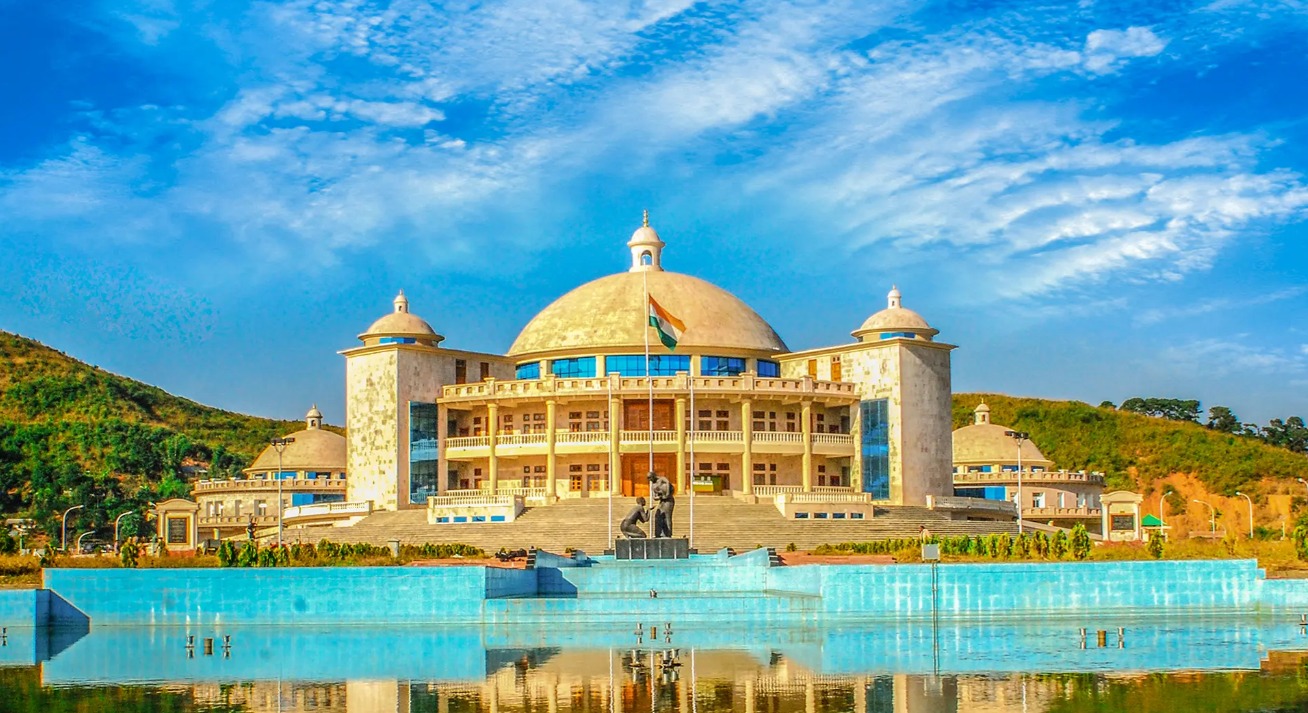
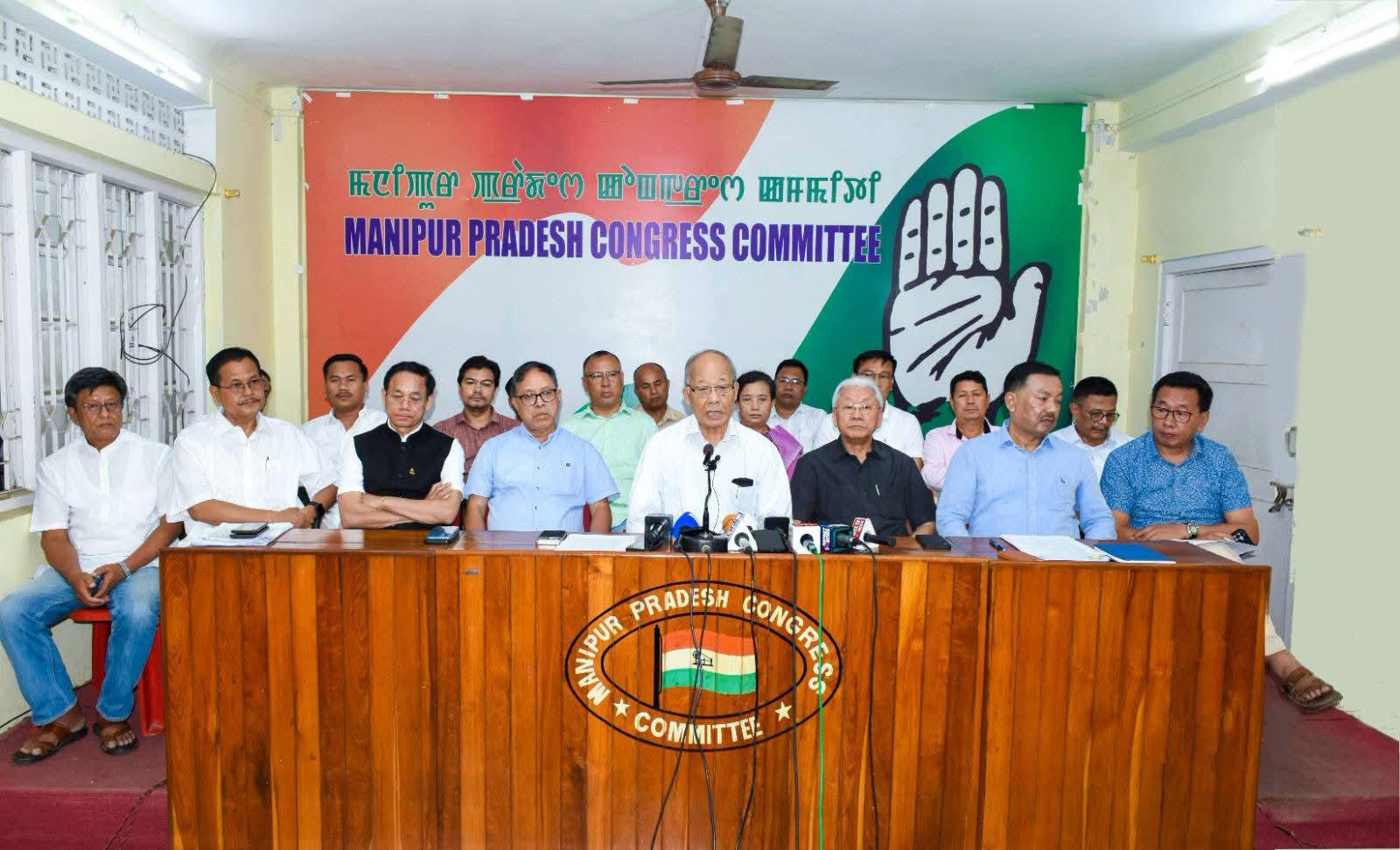
Manipur stands at an inflection point where the mechanics of democracy carry far greater weight than routine political rivalry. As the state looks toward the expiry of the 12th Legislative Assembly’s term on March 13, 2027, Manipur Pradesh Congress Committee (MPCC) president and former Chief Minister Okram Ibobi Singh’s warning against any postponement of the upcoming elections touches a vital nerve. While security and law-and-order challenges remain real, delaying the democratic process would deepen the very instability it purports to manage.
For nearly three years, Manipur has endured profound social rupture, internal displacement, and an extended spell of President’s Rule before returning to an elected government under Chief Minister Yumnam Khemchand Singh in February 2026. Restoring an elected administration was an essential first step toward institutional normalcy, yet the current government operates with a mandate forged in the vastly different political landscape of 2022.

A fresh election in February–March 2027 is not merely a constitutional formality; it is the indispensable mechanism through which citizens across both the valley and the hills can renegotiate trust, demand accountability, and legitimize a roadmap for reconciliation.
Rumors of postponing the polls on law-and-order grounds must therefore be met with firm institutional resolve. Deferring elections sends a damaging signal that governance in Manipur remains perpetually exceptional and that democratic rights are conditional. Furthermore, indefinite delays breed political cynicism, empower non-state actors, and stall the difficult compromises required for durable peace.
The Election Commission of India, which has already initiated electoral roll revisions ahead of January 2027, has successfully conducted complex polls under formidable security conditions across the country—including Manipur’s own 2024 Lok Sabha elections. Ensuring safe, accessible polling for displaced voters in relief camps is a logistical imperative, not an excuse for deferral.
At the same time, political parties across the spectrum—whether the ruling BJP-led coalition or a revitalising Congress—must recognize that the 2027 contest cannot be reduced to zero-sum ethnic mobilization. True political resolution requires platforms centered on economic recovery, dignified rehabilitation, free movement, and rebuilding fractured inter-community ties.
Manipur’s healing cannot be indefinitely outsourced to administrative stopgaps. Holding the 2027 Assembly elections on schedule is the clearest way to affirm that the state’s future belongs to its voters—and that democracy remains the surest bridge out of crisis.