


People’s Needs Trump Political Power
 KRC TIMES Desk
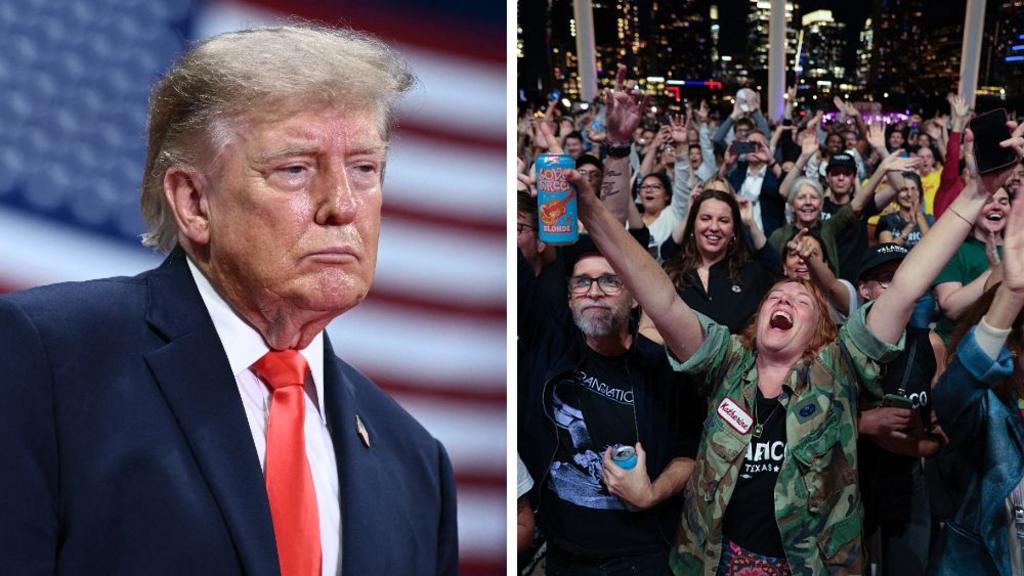
Trump’s political setback underscores a fundamental lesson for governments everywhere: economic security, affordable living and the everyday concerns of citizens matter more than displays of military strength or global dominance.
Elections are ultimately a test of how governments respond to the everyday concerns of ordinary people. Military strength, geopolitical influence and grand claims of national greatness may create an image of power, but they cannot compensate indefinitely for rising living costs, economic insecurity and public dissatisfaction. The outcome of the latest US midterm elections has once again brought this fundamental democratic truth into focus.
The Republican setback under President Donald Trump reflects growing public discontent with an approach to governance that has placed considerable emphasis on political confrontation, aggressive foreign policy and economic pressure. From military action against Iran and its implications for global oil prices to sweeping tariffs on imports from several countries, Trump’s decisions have had consequences that extend beyond diplomatic and strategic calculations. For ordinary Americans, the more immediate concerns are the cost of living, household expenses, economic uncertainty and the affordability of essential goods.
The electoral outcome has therefore become an important political reckoning for the Republican Party. Its loss of congressional ground represents more than a routine midterm setback. It raises questions about the political sustainability of a governing style that often appears more concerned with projecting strength than addressing the everyday anxieties of citizens. The scale of the Republican defeat has also invited comparisons with the party’s setbacks following the Watergate scandal in 1974.
However, those celebrating the Republican losses should exercise caution before interpreting the results as the beginning of the end of Trump’s political influence. Electoral setbacks do not automatically translate into an immediate transformation of American politics or foreign policy. The presidency retains substantial authority, particularly in matters of diplomacy, national security and international engagement. Trump’s political influence, too, cannot be dismissed simply because his party has suffered a setback at the ballot box.
There is also a possibility that domestic political pressure could encourage a more confrontational approach abroad. A leader facing setbacks at home may seek to reinforce an image of strength through foreign policy initiatives. Whether Trump chooses such a course remains to be seen, but the possibility highlights the importance of distinguishing between electoral accountability and an immediate change in the exercise of executive power.
Nevertheless, the message delivered by American voters is significant. Trump had openly urged voters to treat the election as a personal referendum on his leadership, even though his name did not appear on the ballot. The Republican defeat can therefore reasonably be seen as a rejection of important aspects of his political and economic agenda.
Public frustration over tariffs, rising prices, the cost of living, political polarisation, allegations of corruption and divisive rhetoric appears to have become an important part of the wider electoral debate. While voting behaviour is shaped by multiple factors and cannot be reduced to a single issue, the results underline the political risks of overlooking the economic and social concerns of ordinary citizens.

This is not merely an American phenomenon. Across several European countries, including France, Italy and Germany, younger generations have expressed dissatisfaction with the established political order. Rising prices, unemployment, inadequate educational opportunities and concerns over reductions in education spending, alongside increasing military expenditure, have become sources of public frustration.
For many young people, the central grievance is that political decision-makers are failing to respond to their aspirations. They want secure employment, affordable housing, accessible education and a reasonable prospect of a better future. When these expectations remain unfulfilled, confidence in conventional political institutions begins to weaken.
Recent political developments in countries such as Nepal, Bangladesh and Serbia have also demonstrated how public dissatisfaction can develop into wider movements challenging established political authority. Protests and expressions of discontent have emerged in India as well, although the political circumstances and demands differ from country to country. These developments should not be treated as identical, but they point to a common challenge confronting governments: the growing distance between political priorities and citizens’ expectations.
The lesson is particularly relevant in an age when governments frequently measure national progress through defence budgets, infrastructure projects, economic growth figures and international standing. These indicators are undoubtedly important. National security, technological advancement and diplomatic influence remain essential elements of a country’s development. But they cannot become substitutes for people’s well-being.
A country may possess formidable military capabilities and exercise considerable influence on the international stage, yet its government can still face public rejection if citizens struggle with inflation, unemployment, inadequate healthcare, poor education and declining economic security.
Democracy demands more than periodic electoral victories. It requires governments to remain responsive to the people between elections. Political authority is sustained not simply through the assertion of power but through public trust, institutional accountability and the ability to improve everyday lives.
The American midterm elections offer a reminder that no government can indefinitely take public patience for granted. Leaders may command enormous political resources, control powerful institutions and pursue ambitious international agendas, but their legitimacy ultimately depends on the people they govern.
For political leaders across the world, the message should be unmistakable: national greatness cannot be measured merely by the number of weapons in a country’s arsenal, its ability to impose tariffs or its influence over other nations. The real measure of successful governance lies in whether ordinary people can live with dignity, security and opportunity.
Ultimately, people do not vote only on the basis of a country’s power. They also vote on the basis of how that power translates into their daily lives. The American electoral verdict has once again underscored a simple but enduring democratic principle: the needs of the people must always take precedence over the assertion of power.

