

The initiative will cover Assam, Manipur, Meghalaya, Mizoram, Nagaland and Tripura, and represents one of the largest multilateral investments in the region’s bamboo sector to date
 KRC TIMES Assam Bureau
GUWAHATI | In a major boost to the Northeast’s green economy, the Asian Development Bank has approved a $42.2 million financing package aimed at developing an integrated bamboo value chain across six northeastern states, seeking to transform the region’s vast bamboo resources into a driver of jobs, investment and sustainable growth.
The initiative will cover Assam, Manipur, Meghalaya, Mizoram, Nagaland and Tripura, and represents one of the largest multilateral investments in the region’s bamboo sector to date.
Despite possessing some of the world’s richest bamboo reserves, the Northeast has long struggled to fully capitalise on the resource. The region accounts for 35.8 per cent of India’s bamboo resources, spread across 5.34 million hectares, while housing only 3.8 per cent of the country’s population. Yet India continues to rely on imports for several bamboo-based products, highlighting the gap between resource availability and industrial utilisation.
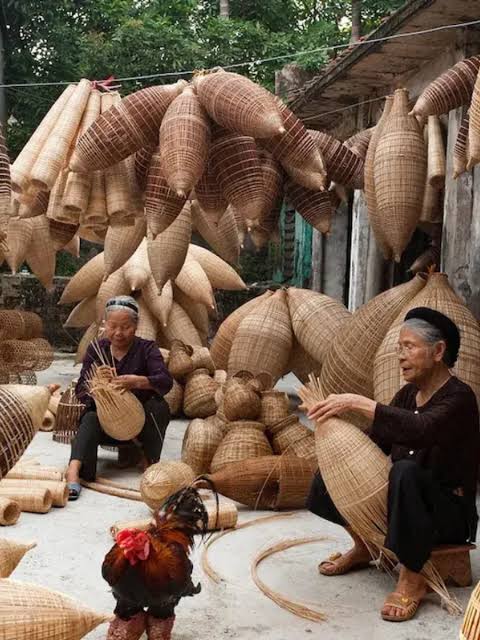
The ADB-backed project aims to bridge that gap by creating a modern bamboo ecosystem that extends beyond traditional handicrafts and cottage industries. The programme will support bamboo cultivation, nurseries, processing facilities, manufacturing units and digital marketing platforms, enabling the sector to evolve into a structured value chain.
“By harnessing the country’s abundant bamboo resources and building private sector-led industrial value chains, ADB’s financing will stimulate trade, investment and infrastructure,” said Mio Oka.

The project is expected to provide new income opportunities for rural communities, particularly at a time when climate-related challenges are affecting agricultural livelihoods across the region.
Building a Modern Bamboo Industry
Under the initiative, financing will be directed towards establishing bamboo plantations and nurseries, integrated bamboo parks, common facility centres and digital trading platforms. Entrepreneurs and investors will also receive technical support, market intelligence and improved access to financing.
ADB’s vision extends beyond conventional bamboo crafts and furniture. The project seeks to promote bamboo as a raw material for high-value sectors, including engineered products, construction materials, furniture manufacturing and bioenergy. The programme will also encourage the productive use of bamboo waste by converting it into biochar, charcoal and briquettes, promoting a circular economy model that minimises waste while generating additional revenue streams.
Focus on Women-Led Enterprises
A key feature of the initiative is its emphasis on women’s participation and entrepreneurship.
ADB plans to support the establishment of at least one women-led manufacturing facility in each participating state. The project will also create employment opportunities for women in bamboo nurseries, plantations and processing units.
Women entrepreneurs and self-help groups will be connected to digital marketplaces and skill development programmes, helping them access wider markets and new business opportunities.
A New Growth Model for the Northeast
The project is being viewed as a significant step towards converting the Northeast’s natural resource wealth into long-term economic gains. Policymakers have long advocated leveraging the region’s abundant bamboo reserves to generate employment, attract private investment and strengthen local industries.
If implemented successfully, the initiative could reduce India’s dependence on imported bamboo products, foster green manufacturing, generate sustainable livelihoods and position the Northeast as the country’s leading hub for bamboo-based industries.
For a region that holds more than one-third of India’s bamboo resources, the ADB investment signals growing confidence in bamboo’s potential to become a cornerstone of the Northeast’s emerging green economy and industrial future.