


The major renewable energy sources used in agriculture include solar, biomass, hydropower, wind, and hydrogen energy
 KRC TIMES Desk
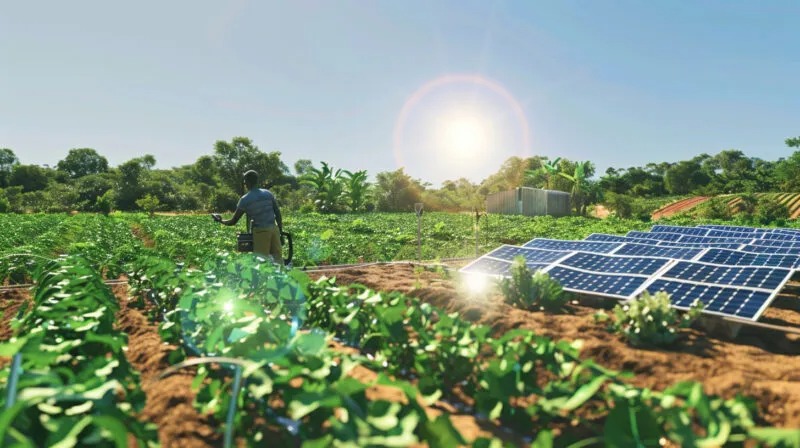
Agriculture is highly dependent on energy for irrigation, machinery operation, processing, storage, and transportation. Traditionally, this energy has been derived from fossil fuels such as diesel and coal, which contribute significantly to greenhouse gas emissions and climate change. Renewable energy sources provide a sustainable alternative by reducing environmental impacts, improving farm productivity, and strengthening rural livelihoods.
With rapid technological advancements and decreasing costs, renewable energy is increasingly integrated into agricultural systems worldwide. The major renewable energy sources used in agriculture include solar, biomass, hydropower, wind, and hydrogen energy.
Solar Energy
Solar energy is the most widely used and fastest-growing renewable energy source in agriculture. Photovoltaic (PV) modules convert sunlight into electricity, which can power irrigation pumps, lighting systems, greenhouse climate control, and farm machinery. Solar-powered irrigation systems are especially beneficial in remote areas where grid electricity is unavailable.
Solar Water Pumping
Solar photovoltaic water pumping systems are one of the simplest and most effective applications. These systems consist of a PV array and a motor-pump set that draws water from wells, rivers, ponds, or canals. They are widely used for irrigation, livestock watering, and domestic purposes.
Solar Agri-voltaics
Agri-voltaic systems combine solar power generation with crop cultivation on the same land. Solar panels are installed above or alongside crops, allowing farming activities to continue underneath. This dual-use approach improves land-use efficiency, enhances farmer income, and promotes environmental sustainability.
Solar Drying
Solar dryers are used to dry agricultural and horticultural products such as fruits, vegetables, spices, and herbs. Compared to traditional open drying, solar dryers reduce contamination, improve product quality, and shorten drying time. Various types include:
- Mixed-mode solar dryers
- Solar biomass hybrid dryers
- Portable solar dryers
- Solar tunnel dryers
These technologies are particularly useful in hilly and remote regions.
Solar Cooking
Solar cookers use sunlight for cooking, reducing dependence on LPG, kerosene, and firewood. Box-type solar cookers are widely used and can prepare meals for small families. They help conserve energy and reduce indoor air pollution.
Solar Water Heating
Solar water heaters consist of collectors and storage tanks that use sunlight to heat water. They are widely used in households, institutions, and industries. These systems can save significant electricity and reduce carbon emissions while providing hot water for daily use.
Biomass Energy
Biomass energy is derived from organic materials such as crop residues, animal waste, and agricultural by-products. It can be converted into biogas, biofuels, and bioenergy for various agricultural applications. Biomass energy is particularly important in countries like India, where agricultural residues are abundant.
Technologies developed for biomass utilization include:
- Biochar production units
- Pyrolyzers for bio-oil generation
- Improved biomass cookstoves
These technologies help in converting agricultural waste into valuable energy while reducing environmental pollution and stubble burning.
Biogas Technology
Biogas is produced through anaerobic digestion of organic materials such as cattle dung, crop residues, food waste, and sewage. The resulting gas mainly contains methane and carbon dioxide and can be used for cooking, heating, lighting, and electricity generation.

A typical biogas plant provides sufficient gas for a small family and produces a byproduct called digested slurry, which is an excellent organic fertilizer. It improves soil fertility, enhances microbial activity, and reduces dependency on chemical fertilizers.
Types of Biogas Plants
- Floating Drum Type: KVIC model, Pragati model, Ganesh model, and ARTI plant
- Fixed Dome Type: Janata model, Deenbandhu model, and ferro-cement plants
Government initiatives such as the Ministry of New and Renewable Energy (MNRE) provide financial support for biogas installations.
Biomass Gasification
Biomass gasification is a thermochemical process that converts solid biomass into a combustible gas known as producer gas or syngas. This gas can be used for electricity generation, heating, and industrial applications.
Producer gas typically contains carbon monoxide, hydrogen, methane, carbon dioxide, and nitrogen. It has a moderate calorific value and can replace conventional fossil fuels in many applications.
Types of Gasifiers
- Updraft Gasifier: High efficiency but produces more tar
- Downdraft Gasifier: Produces cleaner gas suitable for engines
- Cross-draft Gasifier: Suitable for small-scale applications
- Fluidized Bed Gasifier: Ensures uniform temperature and efficient conversion
Gasification is an environmentally friendly technology that helps utilize agricultural residues efficiently.
Hydropower
Hydropower is a reliable and versatile renewable energy source, especially in water-rich and hilly regions. Small, micro, and pico hydropower systems can generate electricity from flowing water in streams and rivers.
In agriculture, hydropower supports irrigation, water storage, and climate resilience. It reduces dependence on diesel pumps and unreliable grid electricity, lowering operational costs. Hydropower also strengthens the energy-water-food nexus by ensuring reliable water supply for crops.
For smallholder farmers, micro hydropower systems offer a cost-effective and low-maintenance solution that enhances productivity and sustainability.

Wind Energy
Wind energy is another important renewable source that can be used in agriculture, particularly in regions with consistent wind flow. Small wind turbines can power irrigation pumps, ventilate greenhouses, and operate farm equipment.
Wind energy reduces dependence on fossil fuels and provides a reliable energy source in remote areas. Unlike solar energy, wind energy can operate both day and night, making it suitable for continuous agricultural operations.
As technology becomes more affordable and efficient, wind energy is expected to play a greater role in modern farming systems.
Hydrogen Energy
Hydrogen energy represents a promising future solution for sustainable agriculture. Green hydrogen, produced using renewable energy, can be used for fertilizer production, fuel for machinery, and energy storage.
Hydrogen can store excess energy generated from solar and wind sources, addressing the issue of intermittency. It can also be produced from agricultural residues, converting waste into valuable energy.
The use of hydrogen can significantly reduce the carbon footprint of agriculture, particularly in energy-intensive processes such as fertilizer production. With advancements in technology, hydrogen energy has the potential to transform agricultural systems and improve energy security.
Conclusion
Renewable energy plays a crucial role in transforming agriculture into a more sustainable and environmentally friendly system. Solar, biomass, hydropower, wind, and hydrogen energy provide clean, reliable, and cost-effective solutions for agricultural operations.
The integration of renewable energy technologies reduces greenhouse gas emissions, improves farm productivity, and enhances rural development. It also provides resilience against rising energy costs and climate change.
With supportive government policies, technological advancements, and increasing awareness, renewable energy is expected to become a central component of future agricultural systems. The adoption of these technologies will not only ensure sustainable farming but also contribute to global efforts in combating climate change.
Mahendra S. Seveda, Pradip D. Narale, Sudhir N. Kharpude and Sunil L. Narnaware ,Central Agricultural University, Imphal