

The Centre introduced the three legislations as part of a broader effort to modernise India’s criminal justice framework and improve the efficiency of investigations, prosecutions and trials
 KRC TIMES Assam Bureau
New Delhi/Guwahati | Assam has emerged as one of the leading states in the implementation of India’s new criminal laws, according to officials of the Union Ministry of Home Affairs, which reviewed the progress made two years after the landmark legal reforms came into effect.
The state was ranked among the country’s top performers alongside Haryana, Goa, Chandigarh and Punjab in implementing the Bharatiya Nyaya Sanhita (BNS), Bharatiya Nagarik Suraksha Sanhita (BNSS) and Bharatiya Sakshya Adhiniyam (BSA). The three laws replaced the colonial-era Indian Penal Code, Code of Criminal Procedure and Indian Evidence Act on July 1, 2024.
Officials said Haryana secured the top position, followed by Goa, Assam, Chandigarh and Punjab. The rankings were based on four parameters-administrative reforms, operational efficiency, adoption of information and communication technology (ICT), and integration of digital systems. The weightage assigned to these indicators is revised periodically to assess implementation more effectively.
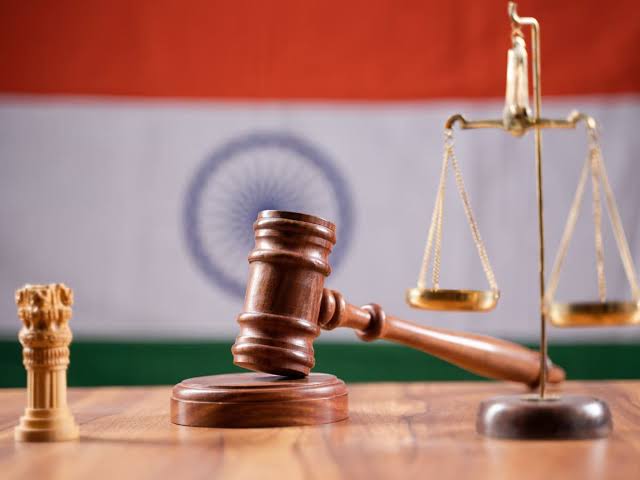
The Centre introduced the three legislations as part of a broader effort to modernise India’s criminal justice framework and improve the efficiency of investigations, prosecutions and trials. The reforms aim to ensure that criminal cases move from the registration of a First Information Report (FIR) to a final verdict by the Supreme Court within a three-year timeframe.
A major component of the reform process has been the rollout of the Interoperable Criminal Justice System (ICJS) 2.0, a unified digital platform designed to connect the five key pillars of the criminal justice system-police, courts, prisons, forensic science laboratories and prosecution agencies. According to the Ministry, 23 states and Union Territories have already achieved full integration with the upgraded platform.
Data released by the Ministry indicates notable improvements in investigation timelines since the implementation of the new laws. The proportion of charge sheets filed within the mandatory 90-day period rose from 39.56 per cent in 2024 to 60.96 per cent in 2026.

Compliance with the statutory 60-day deadline for filing charge sheets also improved significantly, increasing from 50.92 per cent in 2024 to 67.26 per cent in 2026.
In cases involving sexual offences, the percentage of charge sheets filed within the prescribed two-month period climbed from 44 per cent in 2024 to 75.16 per cent in 2025, reflecting improved adherence to timelines under the revised legal framework.
Officials further stated that police forces across the country have registered 74.66 lakh FIRs under the Bharatiya Nyaya Sanhita since the laws came into force. These include 63,572 Zero FIRs, a provision aimed at facilitating the registration of complaints irrespective of jurisdiction.
The Ministry also highlighted the growing use of technology in criminal investigations. Law enforcement agencies have generated more than 46.50 lakh digital evidence IDs through the e-Sakshya application, which is intended to strengthen evidence collection, preservation and management.
To support the increased emphasis on scientific investigation, the Centre has approved eight additional Central Forensic Science Laboratories, taking the total number of such facilities in the country to 15. Apart from the top-ranked states, officials noted that West Bengal and Tamil Nadu have also recorded substantial progress in implementing various provisions of the new criminal laws and strengthening digital integration within their criminal justice systems