


Three Former UDP MLAs Join NPP, Regional Party Reduced to One Legislator
 KRC TIMES NE Desk
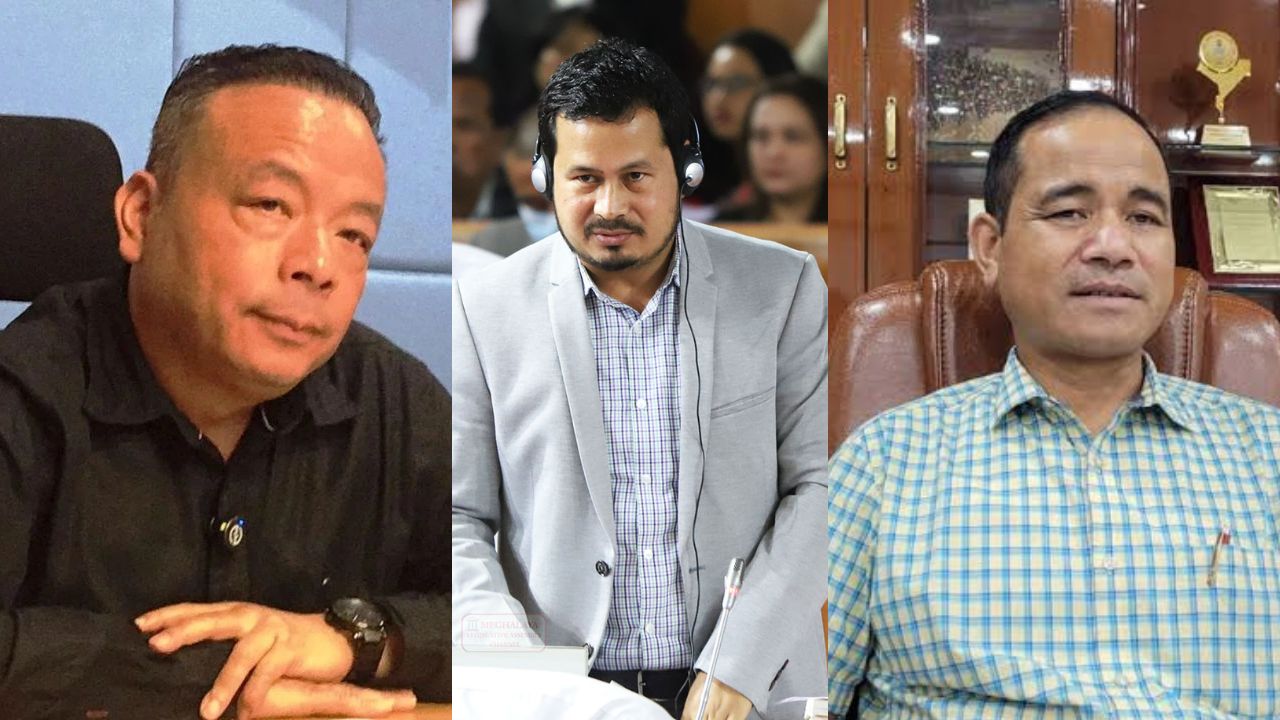
SHILLONG : Meghalaya’s political landscape has witnessed a major realignment, with three former United Democratic Party (UDP) legislators joining the ruling National People’s Party (NPP), further strengthening the party led by Chief Minister Conrad K Sangma.
Sangma, who is also the NPP’s national president, formally welcomed former UDP MLAs Paul Lyngdoh and Renikton L Tongkhar at an induction ceremony held at the party’s state office in Shillong on Wednesday. The third legislator, Nujorki Sungoh, who represents Mookaiaw, could not attend the programme due to ill health.
NPP state president Prestone Tynsong and national vice-president Sniawbhalang Dhar were among the senior leaders present at the ceremony. Supporters of the three legislators also formally joined the party.

Welcoming the new entrants, Sangma expressed confidence that they would uphold the party’s principles and contribute to Meghalaya’s development and prosperity.
In a post on X, the chief minister welcomed Lyngdoh, the MLA from West Shillong; Tongkhar, the representative from Mawkyrwat; and Sungoh, the legislator from Mookaiaw, along with their supporters, into what he described as the growing NPP family.
The induction follows the formal recognition by Meghalaya Assembly Speaker Thomas A Sangma on October 23 of the merger of the three UDP legislators with the NPP under Paragraph 4 of the Tenth Schedule of the Constitution.
Earlier, on October 16, the Speaker had recognised the merger of eight UDP legislators with the Bharatiya Janata Party (BJP).
The successive defections have drastically weakened the UDP’s presence in the 60-member Meghalaya Assembly. From an original strength of 12 MLAs, the party has now been reduced to just one legislator, with its president, Metbah Lyngdoh, remaining its sole representative in the House.
The BJP has gained eight legislators, while the NPP has added three, marking a significant shift in the state’s political equations.
The defections represent a major setback for the UDP, one of Meghalaya’s prominent regional political parties, while consolidating the position of the NPP and BJP in the Assembly.
The developments could have implications for the state’s regional political dynamics, particularly as the UDP faces the challenge of rebuilding its legislative presence and organisational strength.
With the NPP expanding its ranks and the BJP also gaining from the defections, attention will now focus on how the reshaped political landscape influences the state’s governance and the future of regional opposition politics.

