

The Village Authority said its primary demand was state-supported repatriation and rehabilitation in the families’ former settlements
 KRC TIMES Manipur Bureau
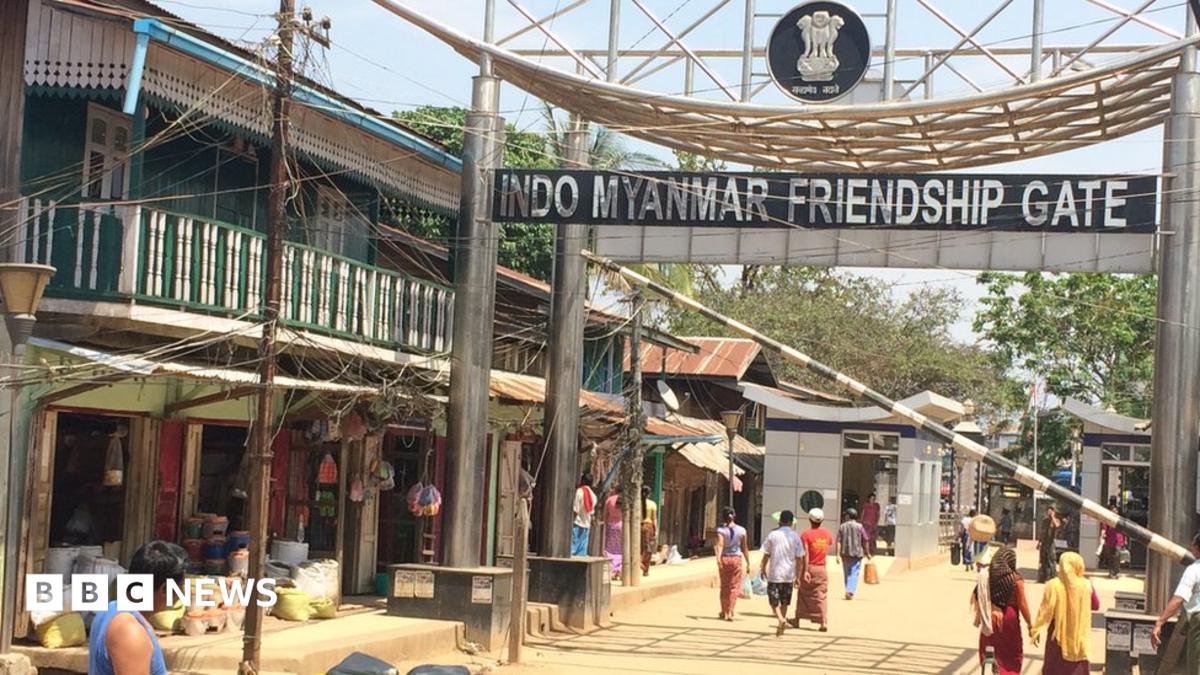
Imphal | The Moreh Naga community, displaced during ethnic violence in 1992, has renewed its demand for repatriation and rehabilitation, urging the Manipur government to facilitate the return of affected families to their ancestral lands in the border town.
Moreh Naga Village Authority chairman Marashang Hashuwoshi, speaking to the media in Imphal on Thursday, sought immediate government intervention to resettle displaced Naga families in their former village areas. The community has also sought regular financial and material assistance on a par with relief provided to people displaced by the ethnic conflict that began in Manipur on May 3, 2023.
Hashuwoshi alleged that Naga families displaced in 1992 had not received sustained government assistance despite remaining displaced for more than three decades.”Both Kuki and Meitei displaced persons receive regular assistance from the government,” he said, seeking similar support for the displaced Naga families.
The Village Authority said its primary demand was state-supported repatriation and rehabilitation in the families’ former settlements.
Community leaders claimed that many displaced families still possess valid homestead pattas, or land title documents, for properties in Moreh. They said records identifying the individual landholders were also available with the state government’s Settlement Office.

According to the Village Authority, these documents could provide a basis for verifying ownership claims and facilitating the repatriation process.
Following the 1992 violence, displaced Moreh residents took shelter at a temporary relief camp in Irong village, in present-day Tengnoupal district. Hashuwoshi said the families remained there for around two to three months and received limited relief supplies with assistance from the United Naga Council (UNC) and other Naga civil society organisations.
He alleged that government assistance largely stopped after the initial period. Although some families received limited financial or material support following the violence, most did not receive sustained assistance, he claimed.
The community said repeated representations to the authorities had failed to resolve the issue. It claimed that memoranda submitted to state officials and the Deputy Commissioner, including one as recently as 2014, did not lead to meaningful action.
Hashuwoshi also highlighted the history of Naga settlements in Moreh, saying the community had maintained a presence in the border town since 1974. According to figures cited by the Village Authority, official records from that period listed 73 Naga settlements with a combined population of 539 people.
Community leaders said Nagas, Kukis and other groups had lived in Moreh for years before tensions escalated.
Hashuwoshi alleged that the arrival of Kuki migrants from across the Myanmar border, along with local Kuki groups, contributed to tensions and violence targeting Naga residents. He claimed Naga houses were burned, properties destroyed and families forced to flee Moreh during the violence.
The Moreh Naga Village Authority has now urged the state government to establish a mechanism for verifying land claims and ensuring the safe return and rehabilitation of families displaced in 1992. The community said addressing the decades-old displacement issue would require sustained government support and a clear rehabilitation framework.