

Research provides fresh insights into traditional practices of soil and water management, the use of ecological indicators for agricultural planning, and the deep integration of farming with cultural traditions
 KRC TIMES NE Desk
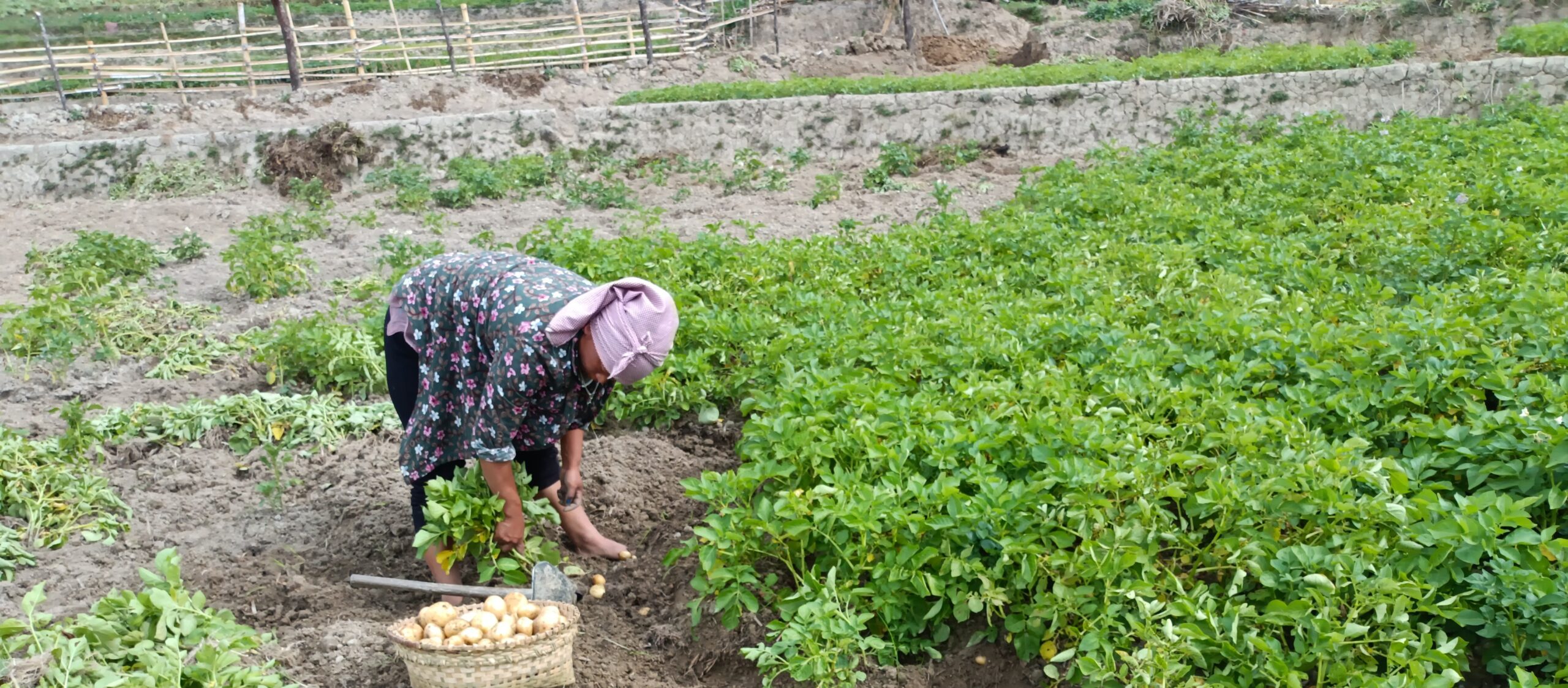
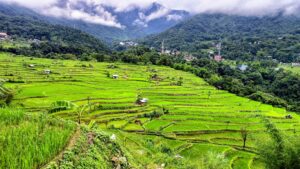
LUMAMI, NAGALAND: A Nagaland University study has generated new insights into how traditional knowledge continues to guide and facilitate terrace farming among the Angami Naga population. It presents significant lessons in sustainable agriculture and food security.
The findings of the study will also support national efforts towards food security and sustainable agriculture. Furthermore, the results of this study may also help to implement development policies and projects that would otherwise hinder indigenous people from using their culturally sensitive agricultural methods.
North-East India has diverse farming practices due to its varied agro-climatic zones and indigenous traditions that are deeply rooted in society. Though shifting agriculture is the predominant mode of farming in Nagaland owing to the undulating topography, the Angami Nagas have an ancient tradition of terrace cultivation.
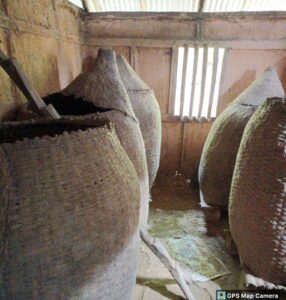
Unlike previous studies, which focused on the technicalities of terrace farming, the present study goes deeper into the underlying social, cultural and ecological knowledge system that supports the practice.
The findings were published in Sage journal (https://journals.sagepub.com/doi/abs/10.1177/09763996261439768), a Wos/Scopus indexed journal by SAGE Publishing that features research across a broad range of disciplines, including social sciences, humanities, and interdisciplinary studies.
The findings are based on doctoral research work conducted by Ketekhoto Neihu under the supervision of Dr. Srikanth Yamsani, Assistant Professor at the Tribal Research Centre, Department of Sociology at Nagaland University.
Highlighting the need for researchers to study topics relevant to local communities, Prof. Jagadish Kumar Patnaik, Vice-Chancellor, Nagaland University, said, “The research highlights how traditional wisdom continues to sustain agricultural productivity, ecological balance, and community resilience in the hill landscapes of Nagaland.
The findings show that the sustainability of Angami terrace cultivation rests on the harmonious integration of ecological practices, social cooperation, and cultural traditions. At a time when the world is seeking sustainable and climate-resilient agricultural solutions, such research underscores the relevance of indigenous knowledge systems and the importance of documenting, preserving, and learning from them.”
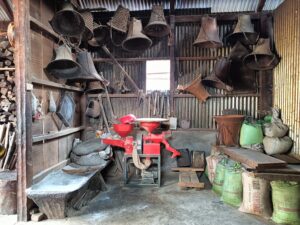
Congratulating the authors and the Tribal Research Centre for this significant scholarly contribution, Prof. Jagadish Kumar Patnaik added, “The study provides valuable insights into the sophisticated methods of soil and water management developed by the Angami community over generations, the use of ecological indicators in agricultural planning, and the deep cultural values embedded within farming practices.
It demonstrates that indigenous knowledge is not merely a legacy of the past but a living system that contributes significantly to sustainable development and environmental stewardship.”
Most of the research focuses on traditional practices in soil conservation, water management, and organic farming. The terrace farms are built using traditional construction methods, which reduce soil erosion and enable proper utilisation of water. The continued use of organic inputs, rather than chemical inputs, reflects efforts to protect the environment and human health.
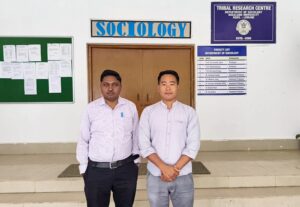
Highlighting the significance of the research, the lead researcher, Dr. Srikanth Yamsani, Tribal Research Centre, said, “Our study found that the Angami Naga population continues to practice farming in close association with cycles and signs of nature. Farmers plant, transplant, and harvest using clues like plant bloom times, bird habits, and insects.”
Dr. Srikanth Yamsani added, “While these forms of agricultural practice are still strong, it is important to point out the new challenges being faced by farmers such as changing patterns of rainfall and climate variability. It is also important to note that the adaptive capacity of indigenous knowledge systems is very important.”
The study can show that agriculture is not only part of the community’s economic activities but is also well-rooted in their culture and society. This indicates an opportunity for sustainable agricultural development in this region and elsewhere in the world where science and traditional ways of doing things can meet.