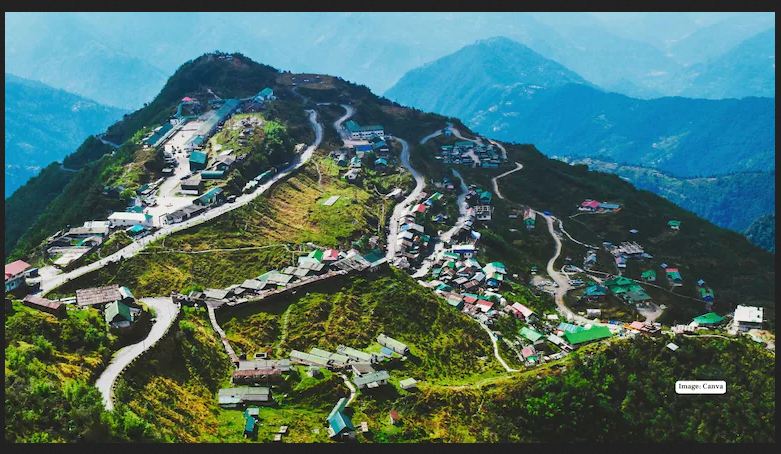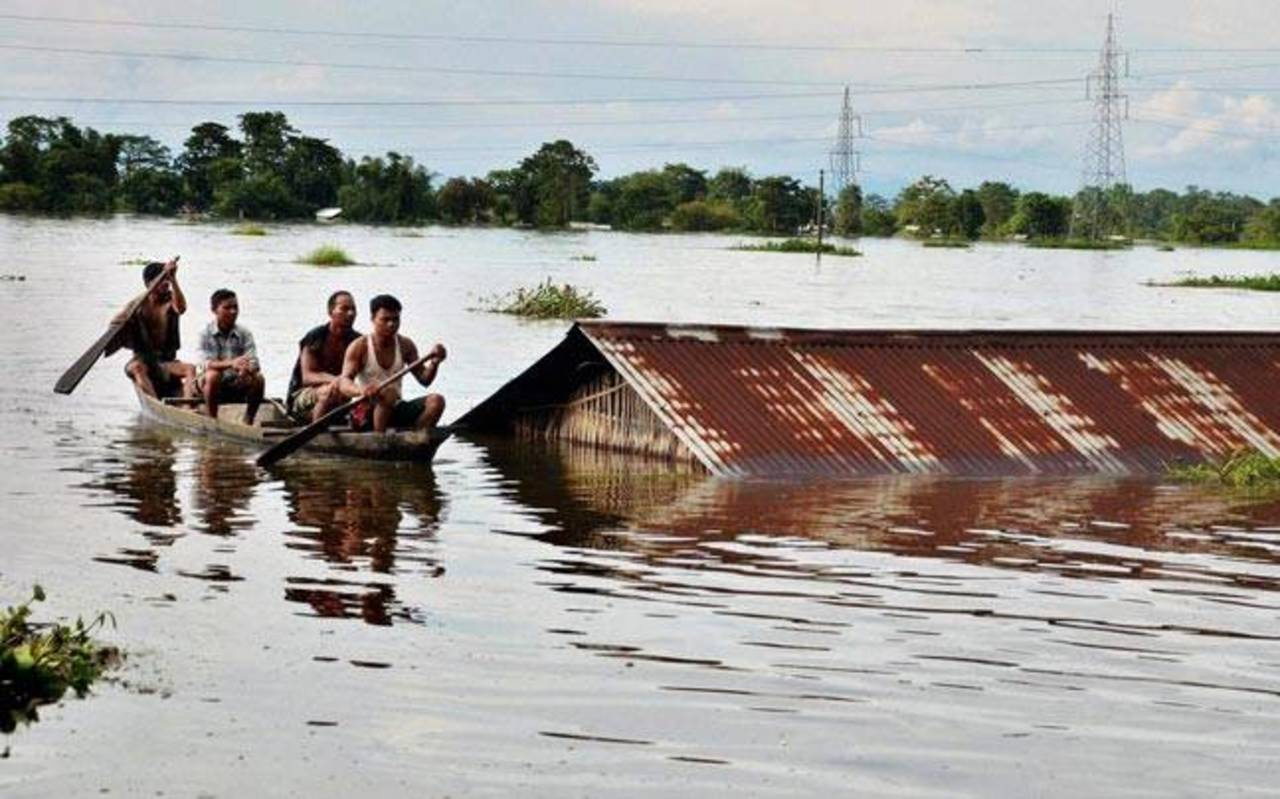


Urban centres such as Guwahati were found to have PM2.5 concentrations well above national air quality standards
 KRC TIMES Assam Bureau
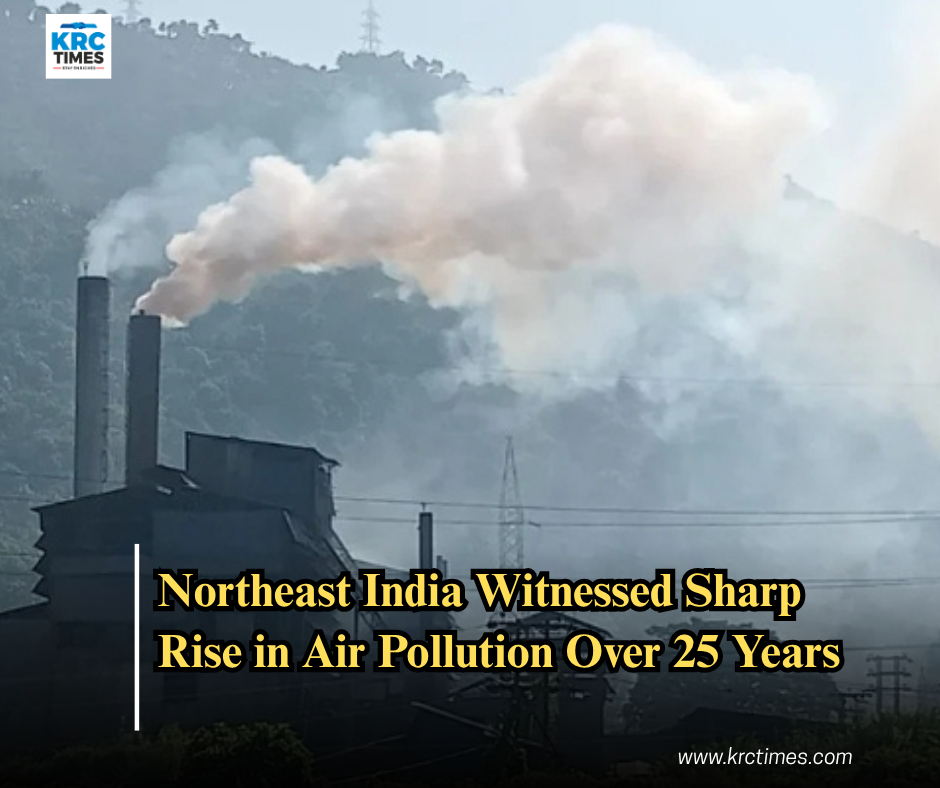
Guwahati : Air pollution levels across Northeast India have increased dramatically over the past 25 years, largely driven by biomass burning and the spread of smoke-related particulate matter, according to a new scientific study published in the journal Atmospheric Environment.
The research, conducted by scientists from the Bose Institute, analysed satellite observations from 2000 to 2024 and found that pollution levels in the region rose by more than 20 per cent to nearly 50 per cent, depending on the pollutant measured.
Led by researchers Abhijit Chatterjee and Soumen Raul, the study examined long-term pollution trends across the Indo-Gangetic Plain, the Himalayan region and Northeast India.

The findings indicate that concentrations of particulate matter increased significantly during 2010-2019, exceeding levels recorded in the previous decade by more than one-fifth. Researchers also documented a nearly 50 per cent increase in organic carbon aerosols-particles commonly associated with smoke and biomass combustion-compared to levels observed between 2000 and 2009.
According to the study, organic carbon pollution continued to intensify after 2020, rising by an additional 30 to 40 per cent by 2024. As a result, large parts of Northeast India now fall within categories associated with high levels of air pollution.
Researchers found that areas experiencing severe pollution expanded steadily over the study period. What were once isolated hotspots in Assam, Meghalaya and Tripura gradually spread across wider regions, eventually linking with pollution corridors extending into Bangladesh and the lower Indo-Gangetic Plain.
Urban centres such as Guwahati were found to have PM2.5 concentrations well above national air quality standards. However, the study noted that pollution is no longer confined to cities and has increasingly spread to rural and previously less-affected areas.
Unlike northern India, where industrial emissions and vehicular pollution are dominant contributors, the study identified different drivers behind the Northeast’s deteriorating air quality.
Researchers highlighted the continued reliance on biomass fuels-including firewood, dung and other organic materials-for household cooking and heating. They also pointed to intensified jhum or slash-and-burn cultivation practices as a major source of seasonal smoke and carbon-based particulate emissions.
The report further found that atmospheric currents transport sulphate and carbon emissions from neighbouring states such as West Bengal and Bihar through the Brahmaputra Valley into Northeast India and the eastern Himalayan region, adding to the pollution burden.

The researchers argued that existing clean-air policies have limited effectiveness in addressing these challenges because they are largely focused on urban centres. Pollution generated across extensive rural landscapes remains outside the scope of many current interventions.
The study noted that much of Northeast India falls outside the coverage of the National Clean Air Programme despite recording pollution levels associated with significant health and environmental risks.
Researchers recommended expanding the programme beyond its current focus on 131 non-attainment cities to include rural and ecologically sensitive regions such as Northeast India, the Himalayan belt and the Sundarbans.
The study also highlighted evidence of pollution transfer between different Himalayan regions and the Northeast, suggesting that the region functions both as a source of emissions and a recipient of pollutants transported over long distances.
Warning that existing policies may fail to address a substantial share of particulate pollution, the researchers stressed the need for broader, region-specific strategies that account for biomass burning, rural emissions and transboundary pollution transport.
The findings challenge the long-held perception of Northeast India as one of the country’s cleanest regions and underscore the growing environmental and public health risks posed by worsening air quality across the region.