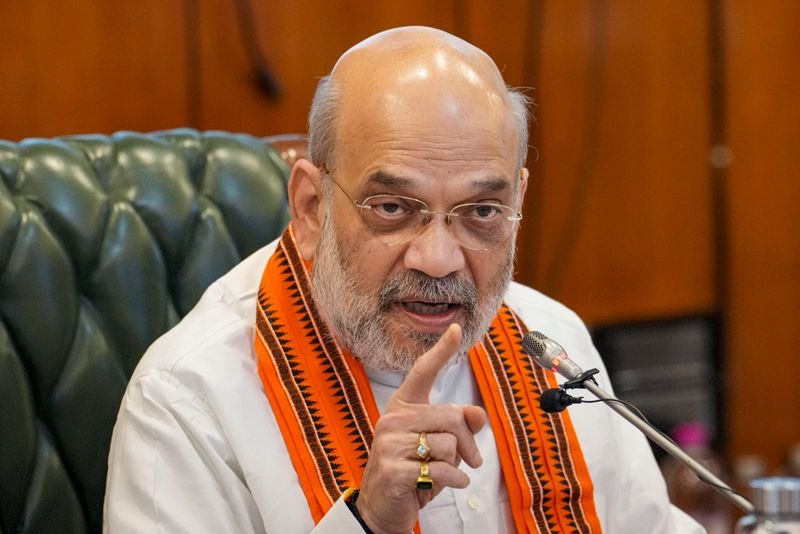


Polling across all constituencies will be conducted in a single phase, a move aimed at ensuring a smooth and efficient electoral process
 KRC TIMES Assam Bureau
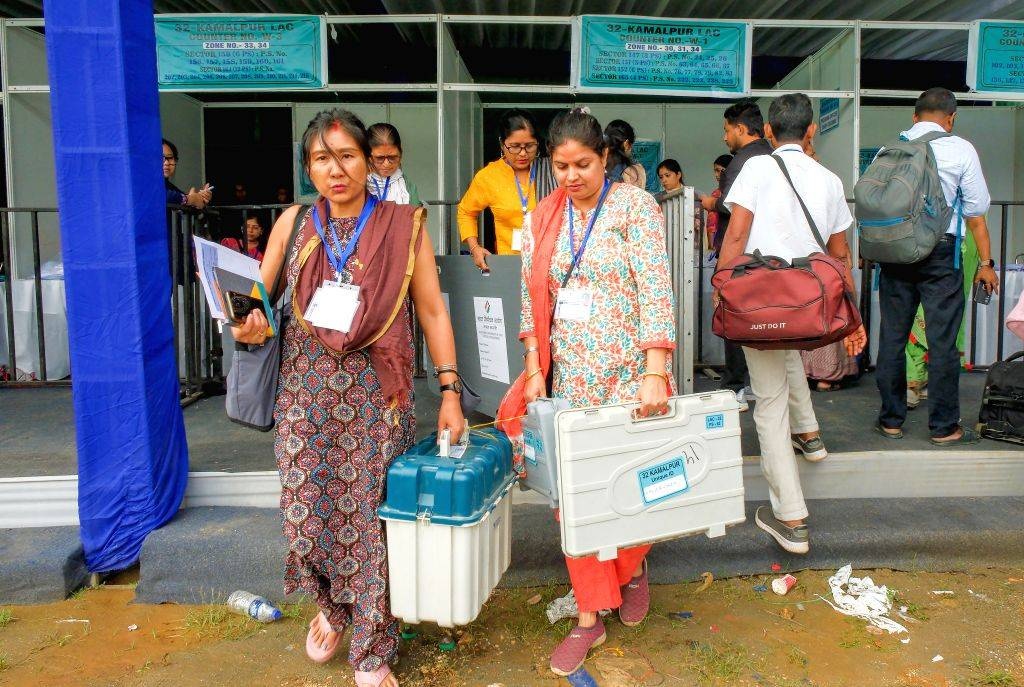
Guwahati : More than 2.49 crore voters are set to exercise their franchise on April 9 as Assam goes to the polls in a single phase to elect representatives to its 126-member assembly
The election will determine the next government in the state, with the tenure of the current assembly set to end in May. Counting of votes is scheduled for May 4, according to the Election Commission.
Polling across all constituencies will be conducted in a single phase, a move aimed at ensuring a smooth and efficient electoral process. A party or alliance will require at least 64 seats to secure a majority and form the government.
The contest is primarily between the BJP-led NDA and the Congress-led opposition alliance, with several regional and smaller parties also in the fray. Key issues influencing the electoral landscape include ethnic identity, development concerns and minority rights.
Opposition parties have raised concerns over alleged mistreatment of minorities, displacement of indigenous communities and corruption allegations against ruling party leaders, while the ruling alliance has focused on development initiatives.

Among high-profile constituencies, Jalukbari is witnessing Chief Minister Himanta Biswa Sarma seeking another term. In Jorhat, state Congress president Gaurav Gogoi is contesting against BJP’s Hitendranath Goswami in a keenly watched battle.
In Sivasagar, Raijor Dal leader Akhil Gogoi is among the prominent candidates, while several constituencies in the Bodoland Territorial Region are witnessing multi-cornered contests involving the BJP, UPPL and BPF.
In Tamulpur, a key contest is underway between Assembly Speaker Biswajit Daimary and UPPL chief Pramod Boro. In Kokrajhar and adjoining seats, regional dynamics and party alignments are expected to play a significant role.
Upper Assam constituencies such as Mariani and Jorhat are also witnessing closely fought contests, reflecting a mix of generational and political rivalries. In the hill district of Dima Hasao, the Haflong seat is witnessing a triangular contest among candidates from the BJP, NPP and the Congress.
With a diverse electorate spread from the tea garden belts of Upper Assam to the riverine areas and hill districts, voter turnout, local issues and shifting political loyalties are expected to play a decisive role in determining the outcome of the election.