

Tripura stares at Rs 4,000-crore annual shortfall
 KRC TIMES NE Desk
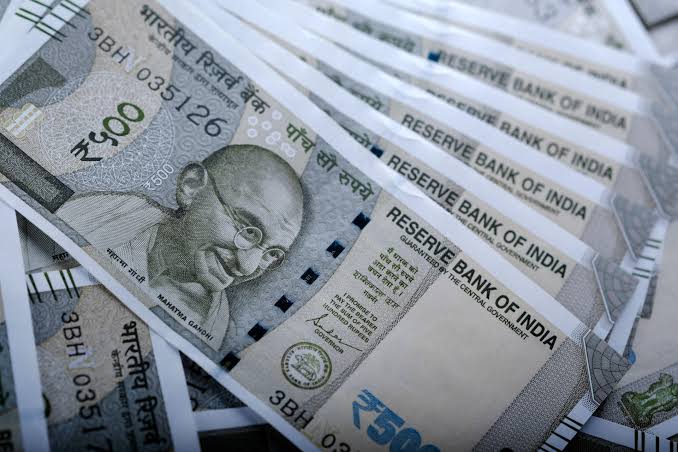
Agartala : The withdrawal of the revenue gap grant has triggered concern among northeastern states, with Tripura Chief Minister Manik Saha saying the state could face an annual shortfall of around Rs 4,000 crore following the recommendations of the 16th Finance Commission.
Saha said the issue had been raised collectively by the northeastern states with Union Finance Minister Nirmala Sitharaman during a meeting in Shillong.According to the Chief Minister, the withdrawal of the revenue gap fund would put additional pressure on the finances of states that have traditionally depended on such support to meet their expenditure commitments.
The Centre has sanctioned a separate fund, titled ‘Pride of Hills’, to address the financial needs of the northeastern states. Saha, however, said the allocation would not be sufficient to make up for the revenue gap expected to arise from the withdrawal of the earlier support.

Send your resume:
biswa@jigyasu.co.in
krcfoundation@gmail.com
Tripura Finance Minister Pranajit Singha Roy had earlier estimated that the state could lose around Rs 4,000 crore a year, translating into a potential shortfall of nearly Rs 20,000 crore over five years. The state government has pointed to its substantial committed expenditure, including salaries of government employees and pensions, while flagging the potential impact of the change in the fiscal support mechanism.
The issue assumes greater significance for Tripura as the state continues to manage its recurring expenditure commitments while preparing for the implications of the proposed 8th Pay Commission, which is expected to revise salaries of government employees.
Despite the tighter fiscal position, Saha said the state government would not put its recruitment programme on hold. “We are committed to filling vacant posts as much as possible if there are no technical problems,” he said. The Chief Minister said the reduction in revenue-gap support would not, by itself, derail recruitment initiatives across government departments.
The revenue gap grant is intended to help states whose assessed revenue receipts are insufficient to meet their projected expenditure requirements. The change in the Centre’s fiscal support framework has therefore become a concern for northeastern states with relatively limited own-revenue bases and high expenditure commitments.
Saha said the northeastern states would continue to pursue the matter with the Centre, seeking financial arrangements that take into account the region’s fiscal constraints and development requirements.