


The latest crisis began after Iran allegedly targeted commercial vessels transiting the strategically important Strait of Hormuz
 KRC TIMES Desk
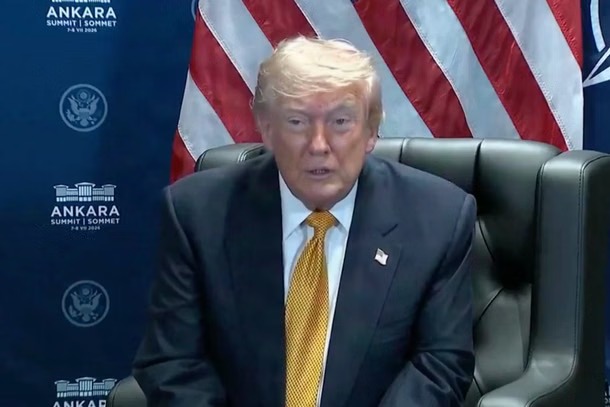
Ankara/Washington: U.S. President Donald Trump on Wednesday declared that the interim ceasefire agreement with Iran is “over,” following a sharp escalation of hostilities in the Gulf over the past 48 hours that effectively ended the fragile 14-point truce brokered with the assistance of Pakistan in April 2026.
The latest crisis began after Iran allegedly targeted commercial vessels transiting the strategically important Strait of Hormuz. At least three ships, including a Qatari gas tanker and a Saudi-flagged oil tanker, were reportedly struck by projectiles and drones near the coast of Oman. Security analysts believe the attacks were intended to oppose alternative shipping corridors proposed by Gulf nations, allowing Iran to retain its strategic influence over one of the world’s busiest maritime trade routes.

In response, the United States revoked sanction waivers on Iranian oil exports and launched a large-scale military operation. According to U.S. Central Command (CENTCOM), precision strikes were carried out on more than 80 targets across Iran, including coastal radar installations, air defence systems, and over 60 Islamic Revolutionary Guard Corps (IRGC) tactical boats in Hormozgan and Mahshar provinces, including areas around Bandar Abbas and Qeshm Island.
Iran responded overnight with ballistic missile and drone attacks targeting U.S. military facilities in Bahrain and Kuwait. Air defence systems in both countries intercepted the incoming missiles and drones, preventing major damage, but emergency sirens sounded across several Gulf states as tensions reached a new high.
Speaking from the NATO Summit in Ankara, Turkey, President Trump said the ceasefire was effectively finished.
“As far as I’m concerned, it’s over. It’s just a waste of time dealing with them,” Trump said, while adding that American negotiators could continue talks if they chose to do so.
Iran’s chief negotiator, Mohammad Bagher Ghalibaf, blamed the United States for the collapse of the agreement, accusing Washington of violating the memorandum of understanding by reimposing strict oil sanctions.
The renewed exchange of military action has prompted growing concern among regional governments and the international community, with several countries and global organisations urging both sides to exercise maximum restraint to prevent a wider conflict in the Middle East.

