


Throughout the interview, he emphasised that the common people of Manipur should not become the ultimate victims of political failures, armed violence and prolonged uncertainty
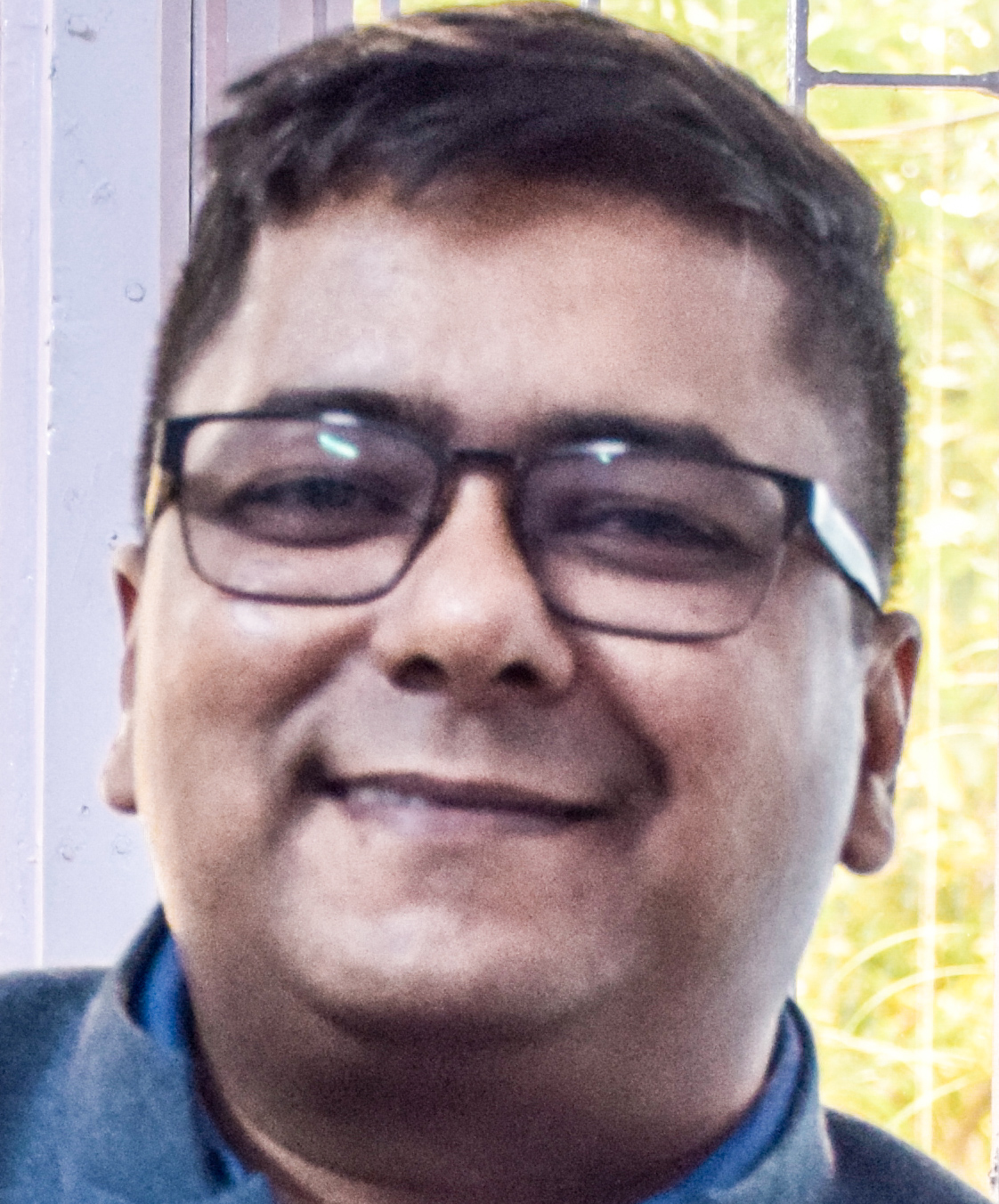 Biswadeep Gupta
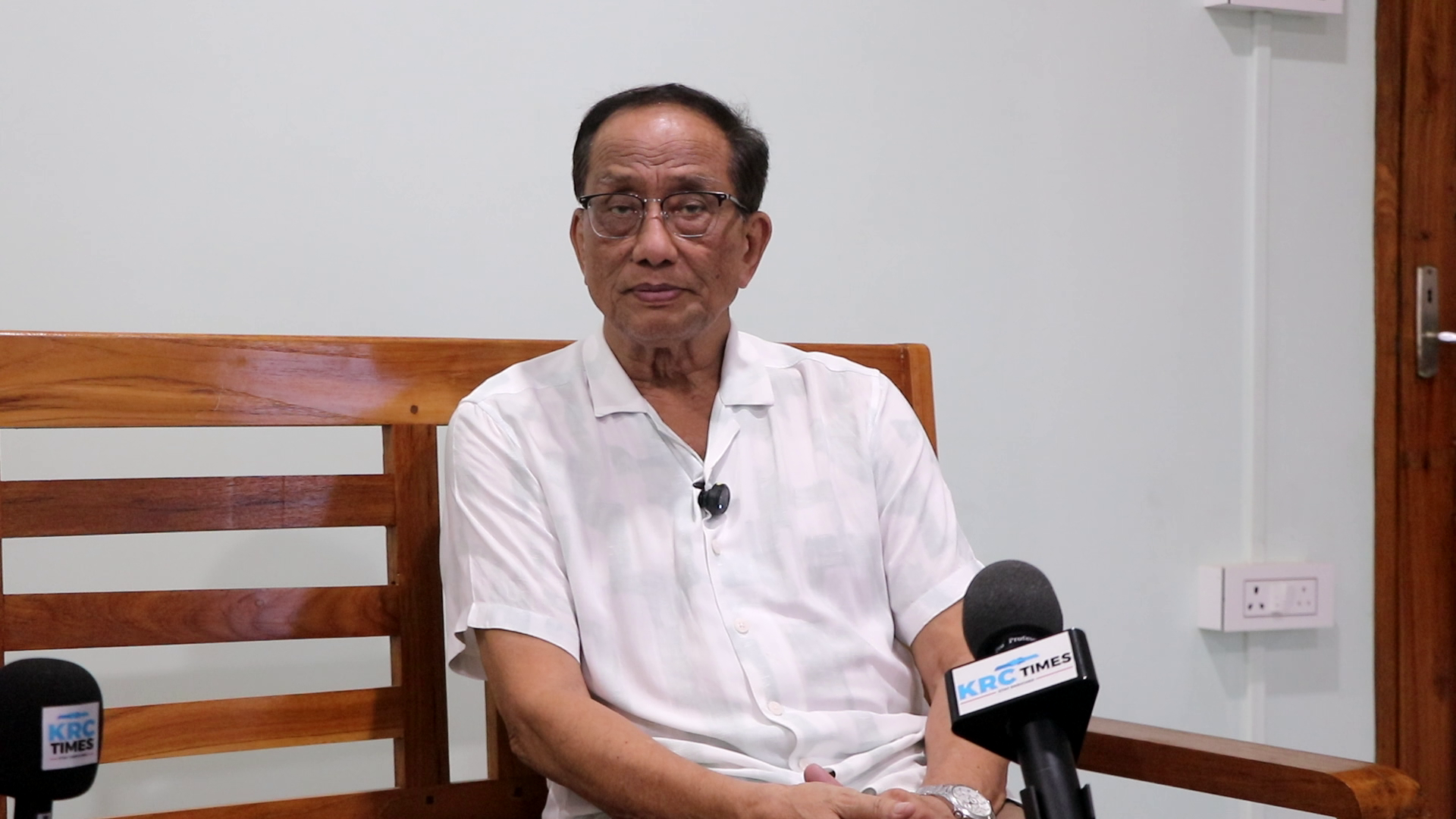
Manipur: Describing the ongoing crisis in Manipur as a situation that is getting “from bad to worse”, R.K. Meghen, a respected public figure in Manipur and former chairman of the United National Liberation Front (UNLF), has expressed concern over the continued violence, the growing division among communities and the collapse of economic activities in the state.
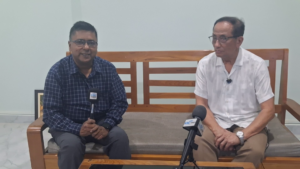
Speaking in an interview on the programme It Matters (hosted by KRC Times Editor-in-Chief Biswadeep Gupta), Meghen said the prolonged conflict had caused immense suffering among ordinary people, with civilians bearing the greatest burden of the violence.
Reflecting on the developments over the past three and a half years, he alleged that armed Kuki groups had initially targeted Meiteis and later extended their attacks towards Naga communities. He strongly condemned the killing of innocent civilians, describing such incidents as crimes against humanity.
He said the loss of lives during armed confrontations was one aspect of the conflict, but the brutal killing of unarmed civilians was something that every civilised society should condemn in the strongest terms.
Meghen also expressed concern that the demand for a separate administration could eventually undermine the historical and territorial integrity of Manipur. He said the state’s foundation had been built on peaceful coexistence and the collective development of different ethnic communities.
According to him, the present situation was particularly disturbing because such widespread ethnic divisions had not been witnessed in Manipur’s recorded history.
Questioning the pattern of violence, he said the targeting of Meiteis and subsequently Nagas pointed towards an underlying strategy. He also raised concerns over allegations of support from certain central forces to armed Kuki groups operating under the Suspension of Operations (SoO) agreement. He referred to videos and photographs that had reportedly surfaced during the initial phase of the violence and called for serious examination of such allegations.
He further questioned the effectiveness of the security arrangements in the hill areas and expressed concern that armed groups were allegedly moving freely and targeting civilians.
On the role of the Central Government, Meghen said that despite the deployment of a large number of Central Armed Police Forces, including CRPF and BSF personnel, a determined effort to bring the violence under control was not clearly visible.
He observed that ordinary people across the state were asking two simple questions: why they had to suffer so much and when the crisis would finally end.
Responding to this concern, Meghen said people needed to raise their demands with a united voice rather than remain divided. He maintained that in a democracy, a strong and collective public voice was necessary to make the government take people’s grievances seriously.
Discussing the economic consequences of the prolonged conflict, Meghen said Manipur’s economy had suffered a severe setback, with money circulation declining and small businesses struggling to survive.
He particularly criticised frequent total shutdowns, pointing out that such protests affected daily wage earners, small vendors and people belonging to the economically weaker sections.
He appealed to organisations and protesters to explore alternative forms of agitation that could put pressure on the government without causing further hardship to ordinary citizens.
Meghen also observed that peaceful demonstrations and sit-in protests had increasingly failed to attract an effective response from the authorities. He felt that the government’s indifferent attitude had contributed to the continuation of shutdowns and other forms of protest.
Appreciating a recent peaceful protest in which women, including mothers carrying infants, participated, he said the disciplined and non-violent nature of the demonstration reflected the peaceful character of Meitei society.
He said the authorities needed to understand the history, civilisation and social philosophy of Manipur while dealing with the crisis. According to him, violence had no place in the traditional philosophy of Meitei civilisation, except in the context of defending one’s land.

On the question of political leadership, Meghen refrained from personally criticising any individual but said the present crisis was the accumulated result of developments over the past 75 years.
He said Manipur had long needed a comprehensive vision and policy to ensure peaceful coexistence and equal development among all communities, including smaller ethnic groups.
He stressed that development policies must address the specific needs of hill communities, particularly in healthcare, education and other basic services.
Pointing to the poor healthcare infrastructure in remote hill areas, he said even today women facing labour complications at night sometimes struggle to reach the nearest medical facility. He described such a situation as unacceptable in the 21st century.
Meghen also identified corruption and the misuse of political power as major factors contributing to the state’s problems. He argued that liberal democracy loses its true purpose when elected representatives treat politics as a business for personal gain.
Throughout the interview, he emphasised that the common people of Manipur should not become the ultimate victims of political failures, armed violence and prolonged uncertainty.
He called for a collective approach that would restore peace, protect the lives of civilians and rebuild trust among the different communities of the state.



