

The North East Region faces several environmental threats, including deforestation, climate change, and drought. The challenges are exacerbated by rapid urbanisation and unsustainable land use practices
 North East Integration Rally
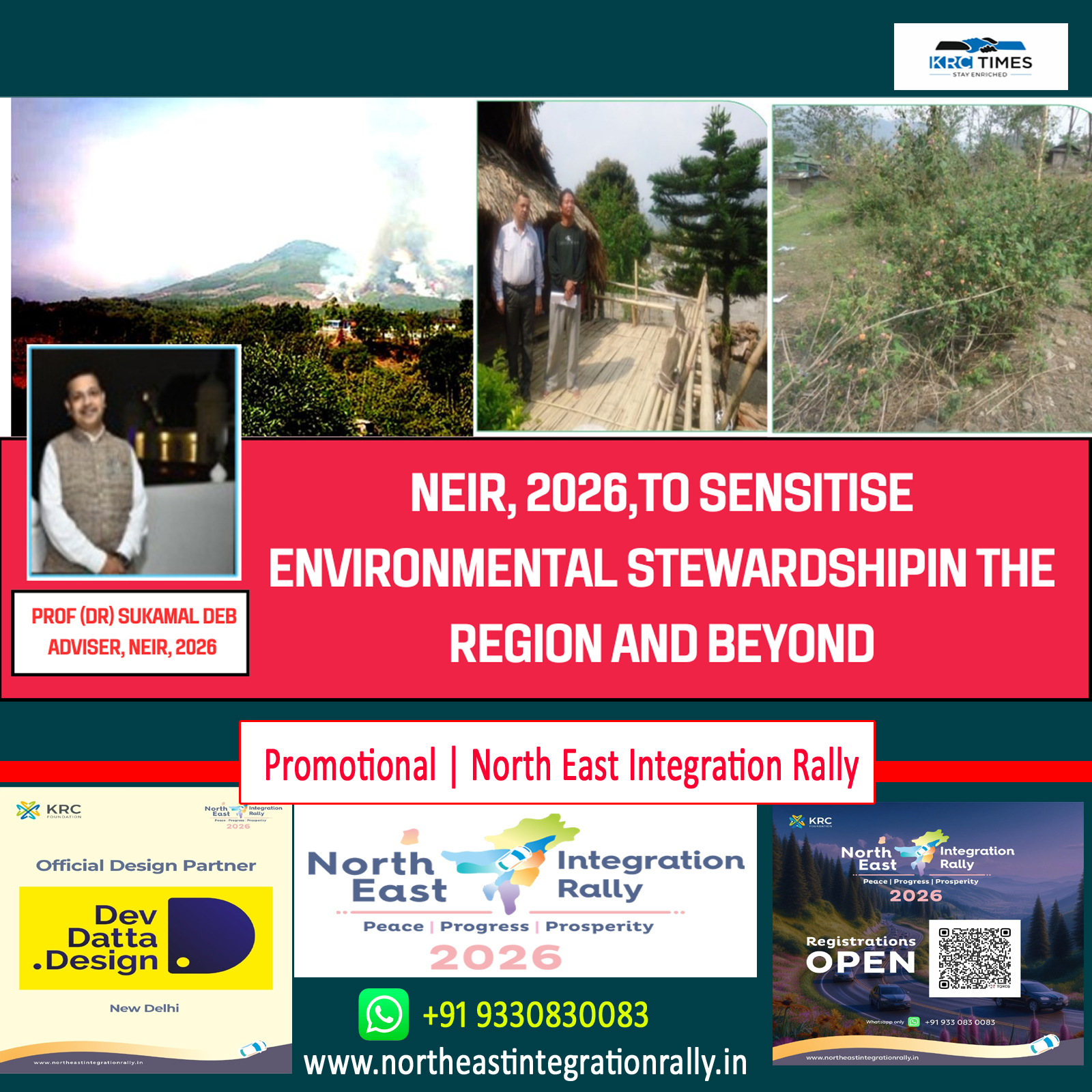
Prof (Dr) Sukamal Deb
Today, we have become a threat to ourselves. Economic production has become so large, our productivity in many ways so high, and the number of us on the planet so vast, that the effect of all this economic activity on the physical Earth itself has become overwhelming.
For the first time in human history, for the first time in the planet’s history, one species, that would be us human beings, is threatening the fundamental parts of the Earth’s own dynamics: the climate system, the water cycle, the nitrogen cycle, and the ocean chemistry.
The water we are using, the energy that we are burning, the land that is being devoted to feeding the planet, the chemicals that are being produced, and the pollution that results from that are poisoning the air and the waterways, it’s leading to an unprecedented environmental crisis.
Our age has a new name, the Anthropocene or the human age of the planet, and not meant in a good way. It indicates a very dangerous way that humanity is changing the water cycle, the climate is warming, the temperature is melting, the glaciers are threatening the great ice sheets over Antarctica and Greenland, is causing the oceans to become more acidic, and is threatening other species with survival in such a fundamental way that the planet behaves differently now, hence, the Anthropocene. One of the main drivers of these changes is humanity desperately living on the planet.
CO2 has suddenly soaredin the atmosphere, causing massive climate system disruption, global warming, and more extreme events like droughts and floods. But it is a stark illustration of how humanity changes basic Earth processes. We are chopping down trees to make room for new pastureland and farmland. Indeed, we are trespassing, boundaries that are safe for humanity.
We need to identify the safe operating limits for the planet. Check loss of biodiversity, driving other species to extinction. A core goal of the science of Sustainable Development is to understand these risksand, most importantly, to determine what we can do to stay within the safe operating limits of humanity; we honour and respect these planetary boundaries as we continue to improve our well-being. The holistic objective of sustainable development combines economic prosperity, social inclusion, ending poverty, and ensuring environmental sustainability.
We live in a complicated world. Our world is facing unprecedented environmental challenges, and the world is divided between great wealth and crippling poverty.The great responsibility on to find a path, how do economic, social, environmental, political and cultural factors fit together.
The aspect of sustainable development is the idea of sensible goals for this crowded, interconnected world. We should supervise our economy do not overrun the physical planet. One part of sustainable development is to understand the inter-linkages of the economy, of society, of the environment, of our politics and government processes, and the other part of sustainable development is to do something about it.
The North East Integration Rally, 2026, therefore, focuses on the environmental action plan that is very important in this fragile region of my country. The Region is often referred to as the lungs of the Himalayas and is known for its rugged terrain and diverse ecosystem. The region is rich in biodiversity and is one of the most biologically diverse regions in the world.
Its economy has a distinct identity because of its unique physical, economic, and socio-cultural features. The Region with eight States covers an area of 2.62 lakh square kilometres (7.9% of India’s land area) with a population of 57 million (3.96% of India’s population), and 98% of its border (4,500 km) forms international boundaries. The Region is home to more than 160 Scheduled Tribes and over 400 sub-tribes, with over 220 ethnic groups and an equal number of dialects.
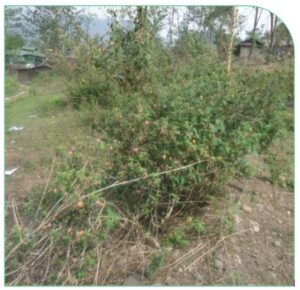
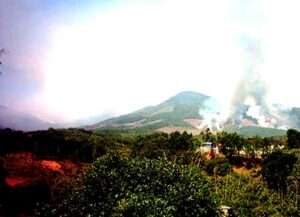
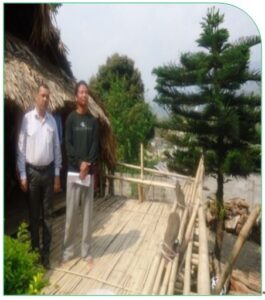
Burning of forestfor Jhum cultivationin Arunachal Pradesh Jhum field under regeneration in Arunachal Pradesh The Author discussed with a youth on Jhum Cultivation.
The North East Region faces several environmental threats, including deforestation, climate change, and drought. The challenges are exacerbated by rapid urbanisation and unsustainable land use practices. So, conservation efforts are crucial to protect the Region’s natural heritage. The action plan includes this. As a part of the Action Plan, the NEIR, 2026, will initiate a massive awareness programme involving all stakeholders. We will encourage taking up a plantation drive.
The Region has rich Indigenous Knowledge Systems and Practices (IKSP), and many favour environmental protection and a sense of belongingness to nature. We will try to revive and bring awareness to these belief systems. Some practices arenot in tune with the sustainable development path. For example, Jhum Cultivation (Shifting or Slash and Burn Cultivation). We will advocate action-oriented awareness to check them. I rememberthe Hindu BusinessLine took my interview on Jhum cultivation and published it on July 10, 2025, as a Premium Article in their paper.
Understanding the strong relevance, the North East Integration Rally, 2026, advocates aggressively to take up specific actions that ensure environmental protection, improvement, and recover the loss that has already occurred. Thus, the Rally is aiming to bring about a meaningful impact on environmental sustainability. We will focus on themes and unique opportunities that address critical global challenges.

We urge initiatives to protect and restore ecosystems while preserving biodiversity. Focus on reforestation, wildlife conservation, and forest management practices that support both environmental health and local communities. The theme encompasses empowering communities through education and awareness programmes, designing innovative approaches to environmental literacy that inspire action and create lasting behavioural change across diverse populations.
The Rally advocates for Climate-Smart Agriculture, transforming agricultural practices to build resilience against climate change while enhancing food security. Promote sustainable farming techniques that protect soil health and support farmer livelihoods. The initiatives include regenerative and organic farming practices. Thus, the NEIR, 2026, is not merely a car rally, but is going to be a significant eventto Sensitise Environmental Stewardship in the Region and Beyond.
Promotional | North East Integration Rally