A Verdict That Reverberates Across Borders: Bangladesh Confronts the Legacy of the 2024 Student Uprising
 KRC TIMES Desk
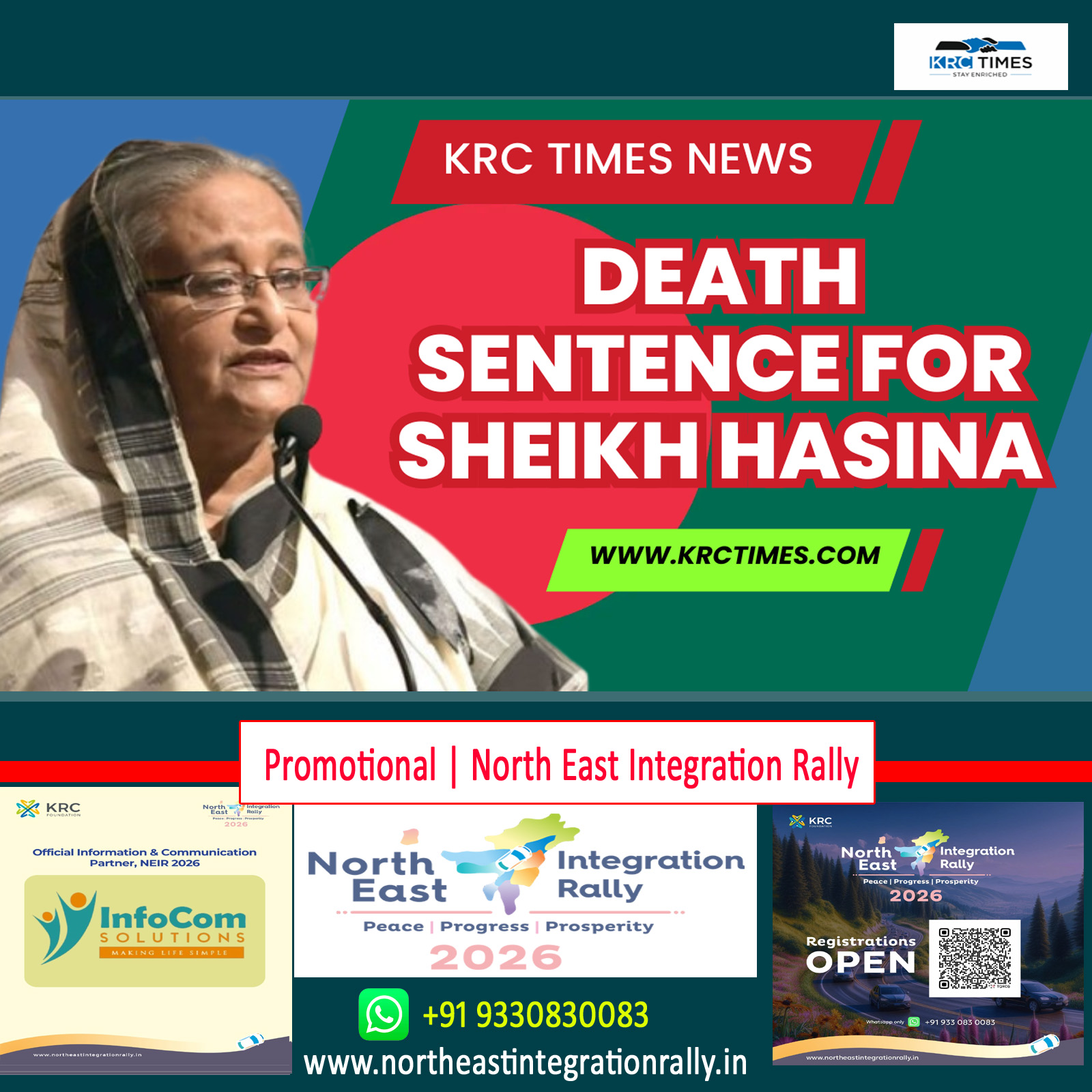
Bangladesh: The judgment from Bangladesh’s International Crimes Tribunal has pushed the country into another turning point. A decade-defining political reckoning is unfolding around the deadly student uprising of 2024, and the tribunal’s decision to sentence former prime minister Sheikh Hasina and her long-time home minister Asaduzzaman Khan Kamal to death has sent shockwaves far beyond Dhaka.
Here’s the thing. The verdict doesn’t just close a case. It reopens the raw memory of an uprising that toppled one of South Asia’s most powerful leaders and forced her into exile. It also tests the capacity of Bangladesh’s justice system to deal with its own recent history, and it puts India in the tricky role of both neighbour and host to the ousted leader.
How the case was built
Hasina, her former home minister, and former police chief Chowdhury Abdullah Al-Mamun were tried on five charges tied directly to the crackdown on student protesters who led the movement that ended her regime. The court said the state response wasn’t just excessive. It crossed into crimes against humanity.
The charges lay out a grim timeline:
- mass killings in Dhaka as security forces opened fire on unarmed crowds
- deployment of helicopters and drones to shoot at civilians
- the murder of student leader Abu Sayed
- the burning of bodies in Ashulia to wipe out evidence
- coordinated killings of demonstrators in Chankharpul
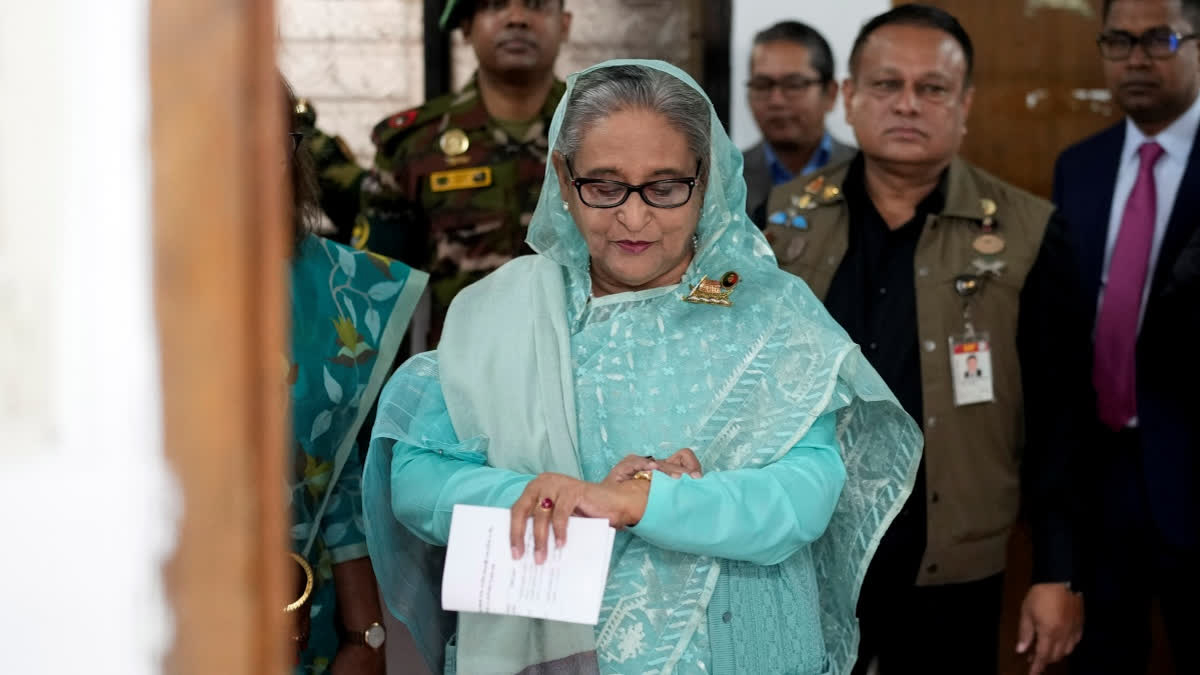
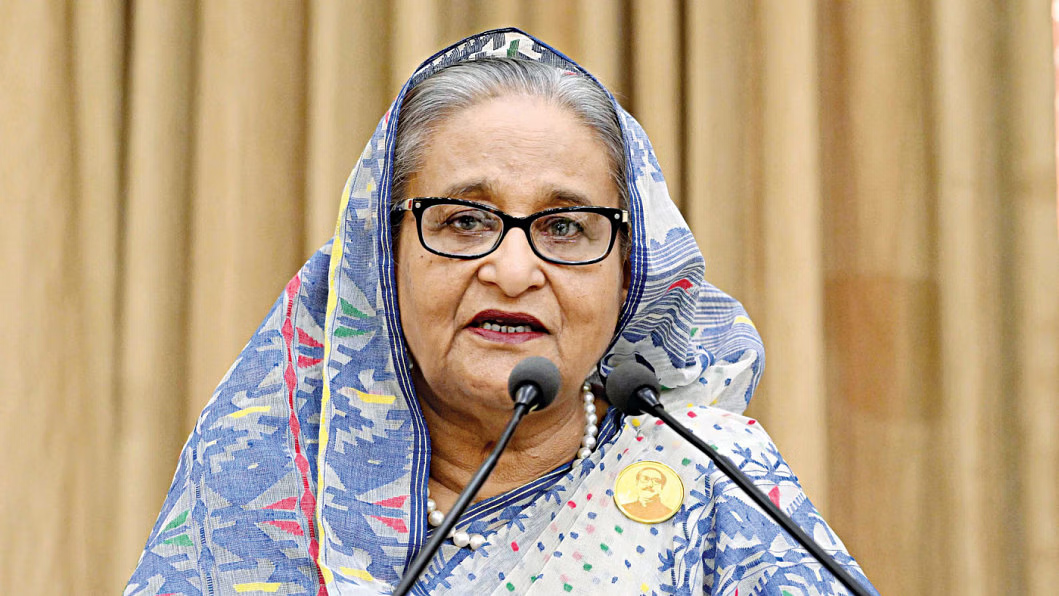
Al-Mamun’s decision to plead guilty in July earned him a five-year sentence. Hasina and Kamal were convicted on all counts and given the maximum penalty. The former prime minister rejected the verdict outright, calling it rigged and politically motivated. She insists she never saw the inside of a fair courtroom.
A trial without the accused
Hasina’s trial happened without her in the dock. She has been in New Delhi since August 2024, when her government collapsed under the pressure of the youth-led movement. Bangladesh has now formally asked India to return her under an existing extradition agreement.

New Delhi responded carefully. India said it remains committed to the best interests of the people of Bangladesh and wants peace, democracy and stability. It didn’t address the extradition request directly, but its tone made clear that it understands how sensitive the moment is.
Why the verdict matters now
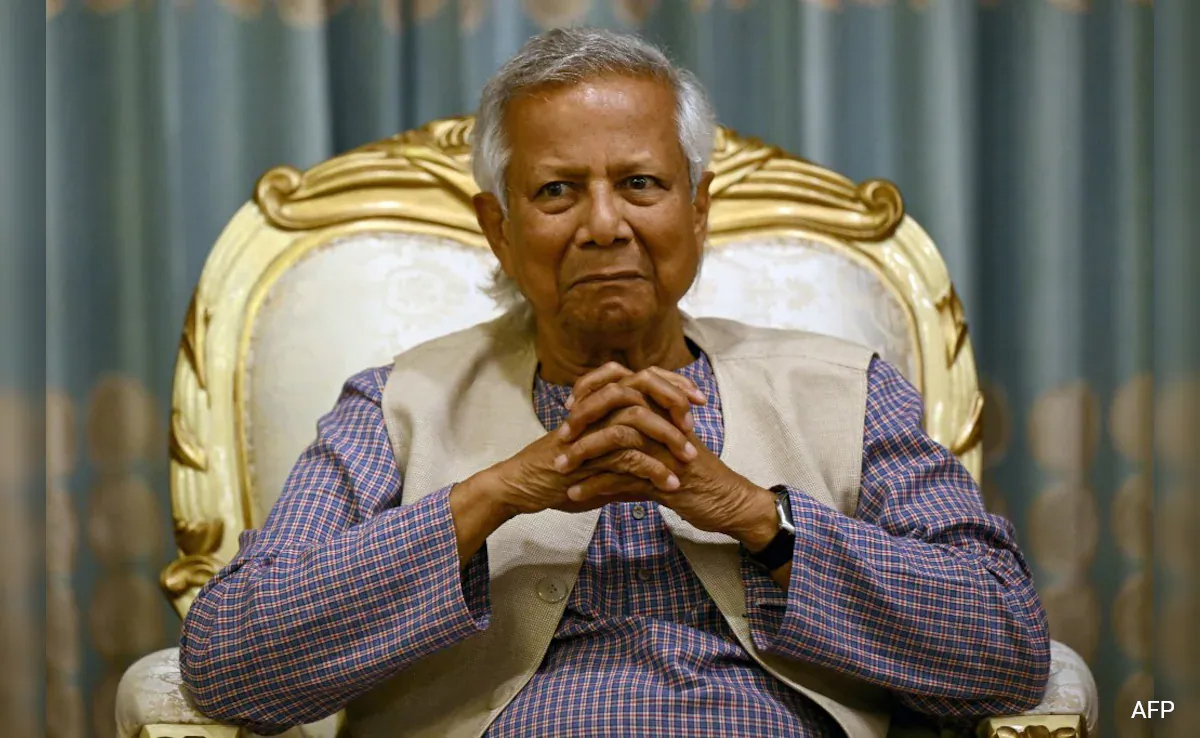
Interim leader Muhammad Yunus called the judgment a recognition of the pain endured by the young protesters who filled Bangladesh’s streets last year. His message was simple: accountability had finally caught up with the powerful.
The UN’s human rights office welcomed the conclusion of the trial, yet expressed regret over the use of the death penalty, a punishment it consistently opposes. That split reaction mirrors a broader divide inside Bangladesh. For some, the ruling signals long-awaited justice. For others, it raises fears that old political battles are simply being repackaged as legal ones.
Hasina’s Awami League has tried to turn the moment into a rallying cry. Party leaders accuse the current administration of endangering minority communities, especially Hindus, and warn of unrest if the party is barred from contesting the February election. Her son, Sajeeb Wazed, has already hinted that supporters may block the polls if the ban isn’t lifted.
The political landscape ahead
What this really means is that Bangladesh is heading into an election season with a former prime minister on death row, a ruling party struggling to assert legitimacy, and an opposition claiming persecution. The streets remain volatile. The grievances that sparked the 2024 uprising haven’t disappeared. They’ve simply taken on new shape.
India now finds itself holding one of the central figures of this crisis, which complicates an already delicate regional equation. Any move it makes will reverberate across Bangladesh’s political landscape.
Bottom line: the tribunal’s verdict isn’t the end of a chapter. It’s the opening of a fierce, unpredictable struggle over Bangladesh’s future, its past, and the meaning of accountability in a nation still defined by political upheaval.
Promotional | North East Integration Rally