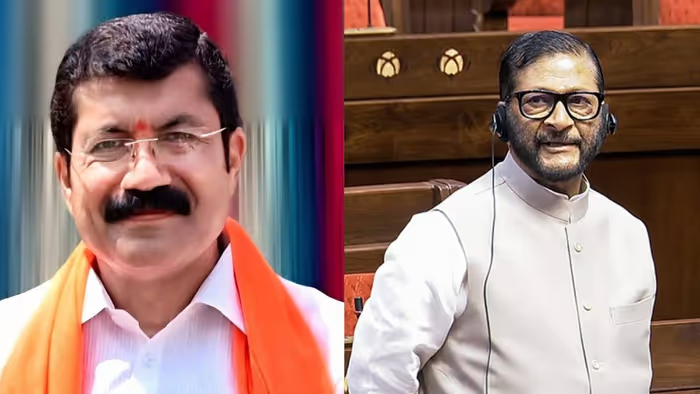
Bhattacharya defended the agitation, calling the elections “imposed” and arguing that only an independent commission could explain the conditions that led to the unrest
 KRC TIMES Assam Bureau
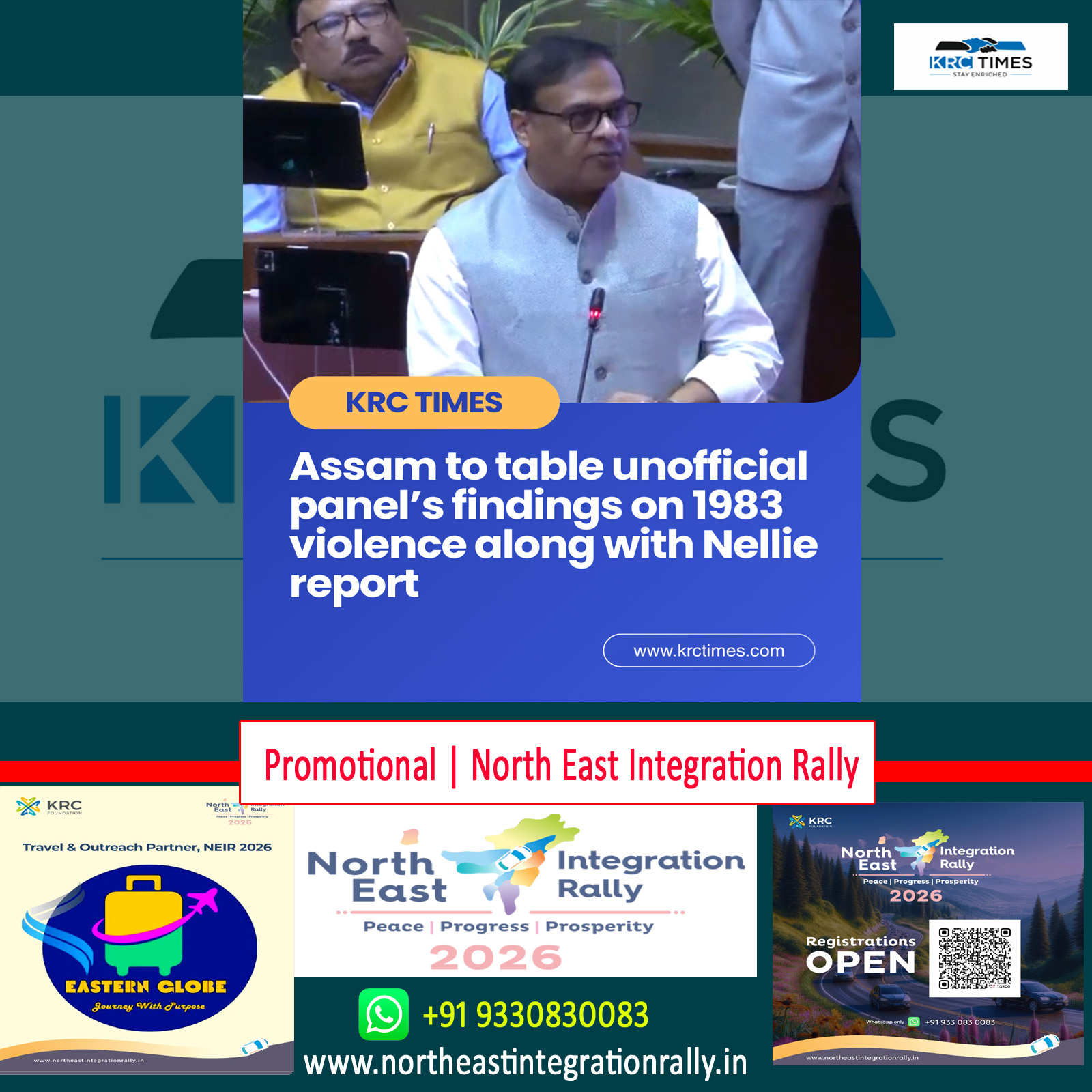
Guwahati: Days after announcing that it would place the long-buried report on the 1983 Nellie massacre before the Assembly, the Assam government said it will also table another four-decade-old document prepared by an unofficial panel formed during the Assam Agitation.
Chief Minister Himanta Biswa Sarma, speaking after a Cabinet meeting on Sunday, said the findings of the T U Mehta Commission would be laid before the House along with the official Tribhuvan Prasad Tewary panel report. The Assembly meets on Tuesday, and both reports may come up the same day.
The Tewary Commission, set up by the Hiteshwar Saikia government in 1983, investigated the statewide violence that unfolded during Assembly elections held under President’s Rule. Its report was submitted in 1984 but was never made public.
The panel examined the circumstances leading to clashes across Assam, including the Nellie massacre, where at least 1,800 people — mostly Bengali-speaking Muslims — were killed. Unofficial estimates place the toll closer to 3,000. No one was ever arrested.
Sarma said AASU had told the government it had no objection to tabling the Tewary report, but asked that the findings of the Mehta panel set up in 1984 by AASU, AAGSP and other leaders of the Assam Agitation also be placed in the Assembly. He called it an unusual step, since the Mehta panel was not a government-appointed body, but said the aim was to allow “all views” to be available in the historical record.

According to AASU advisor Samujjal Bhattacharya, the Tewary Commission did not include the accounts of those who led the agitation, prompting the formation of the Mehta panel. He said both reports should be circulated together for the sake of fairness.
The Tewary report holds that the decision to conduct elections in early 1983 was not the sole trigger for the violence; long-standing tensions over migration and language had simmered for decades. It also records that AASU and AAGSP organised boycotts, pickets and blockades to stop the polls, and that the situation eventually spiralled beyond control.
Bhattacharya defended the agitation, calling the elections “imposed” and arguing that only an independent commission could explain the conditions that led to the unrest.
Sarma dismissed suggestions that the move, coming months before the Assembly polls, was politically timed. Critics have pointed out that the findings could reflect poorly on the Congress, which ran both the state and the Centre during the period in question.
The Chief Minister maintained that the exercise was not aimed at political gain, calling it an overdue step to complete the historical narrative. He said the report also sheds light on the demographic changes noted during the early 1980s and the tensions that shaped the Assam Movement.
“It’s an academic exercise,” he said, adding that younger generations will be able to understand why the agitation happened and what protections were recommended for Assam at the time.