

The present transmission network in Assam is approaching its operational limits due to sustained load growth and aging infrastructure
 KRC TIMES Assam Bureau
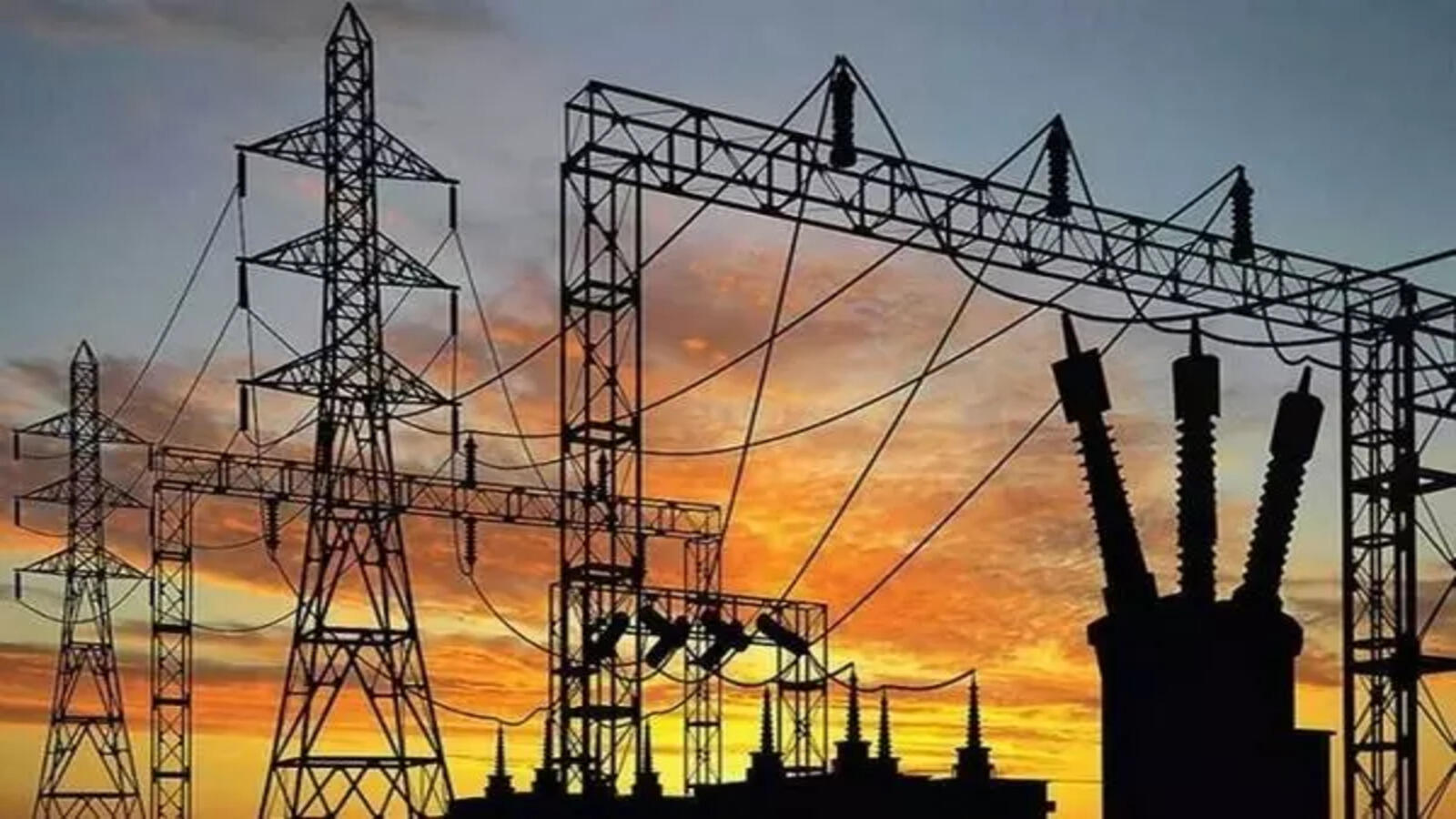
Guwahati | Rapidly growing electricity demand and aging transmission infrastructure are placing increasing pressure on Assam’s power network, with officials warning that several key transmission corridors have become major bottlenecks affecting supply reliability across the state.
Power demand in Assam has surged to nearly 2,800 MW during peak hours this season. Despite adequate availability of electricity from generating stations and the Inter-State Transmission System (ISTS), consumers in several areas continue to experience outages and supply disruptions.
According to official sources, Assam’s transmission network is approaching its operational limits due to sustained growth in electricity consumption and the aging condition of critical infrastructure.
“The present transmission network in Assam is approaching its operational limits due to sustained load growth and aging infrastructure. Critical 132 kV transmission corridors are increasingly susceptible to thermal overloading, voltage instability and contingency-related constraints,” officials said.
They added that inadequate transformer capacity at several grid substations has further reduced operational flexibility and constrained the system’s ability to handle rising demand.

Send your resume:
biswa@jigyasu.co.in
krcfoundation@gmail.com
Several strategically important 132 kV transmission lines, including the Bornagar-Dhaligaon, Sonabeel-Depota, Sonabeel-Ghoramari, Ghoramari-Depota, Nalbari-Rangia, Nalbari-Barpeta and Barpeta-Dhaligaon corridors, are now more than three decades old and continue to serve as the backbone of Lower Assam’s power transmission network.
Officials noted that these lines play a crucial role in evacuating and transmitting electricity to large parts of the region but are increasingly operating under significant stress.
The aging infrastructure has led to deterioration of conductors, tower hardware and other components, resulting in reduced current-carrying capacity, higher transmission losses and increased vulnerability to breakdowns.
“These transmission assets constitute major evacuation and interconnection corridors supplying the Lower Assam distribution network. Owing to aging conductors, deterioration of tower hardware, reduced conductor tensile strength, increased line losses and limited current-carrying capability, these lines frequently experience congestion during seasonal and peak-demand conditions,” sources said.
The situation becomes particularly challenging during summer evenings and periods of high agricultural power consumption, when demand spikes place additional pressure on the network.
Officials said system operators are often compelled to resort to load management measures, including load-shedding, to prevent thermal overloading and voltage instability. Such interventions, they noted, affect the quality and reliability of power supply despite sufficient electricity being available from generation sources.
Another concern is the limited capacity of older conductors compared to modern High Temperature Low Sag (HTLS) conductors. As a result, several transmission corridors reach their thermal limits before actual consumer demand can be fully met.
The aging network has also contributed to higher rates of forced outages caused by conductor snapping, insulator flashovers, hardware failures and deterioration of transmission towers. In addition, officials identified capacity constraints at the Samaguri Grid Substation and Salakati BTPS Grid Substation, where existing transformers are struggling to keep pace with growing demand.

The inadequate transformation capacity at these facilities has become a bottleneck for power evacuation to downstream substations, limiting the effective utilisation of available generation and transmission resources.
The consequences include difficulty in meeting peak demand, poor voltage regulation in rural and semi-urban areas, more frequent planned and unplanned outages and increased operational costs associated with contingency management.
Officials warned that unless the transmission system is strengthened through augmentation, reconductoring and capacity enhancement, the reliability of electricity supply will continue to face challenges. To address these issues, the state government has launched a series of infrastructure projects aimed at modernising the transmission network.
A senior government official said power sector projects worth more than Rs 4,000 crore, including initiatives supported by the Asian Infrastructure Investment Bank (AIIB), are currently under implementation. “These upgrade works take time. Once completed, they are expected to significantly reduce the existing constraints and improve overall system reliability,” the official said.
The ongoing investments are expected to strengthen Assam’s grid infrastructure, enhance transmission capacity and improve the state’s ability to meet rising electricity demand driven by urbanisation, industrial growth and expanding rural electrific