

Coal extraction in several areas continues through rathole mining, a method that has repeatedly drawn criticism over environmental degradation and worker safety
 KRC TIMES Assam Bureau
GUWAHATI | Alleged links between insurgent groups and coal mining operations in Nagaland have come under renewed scrutiny following the devastating floods that struck upper Assam in July, with studies and official reports highlighting the environmental impact of unchecked mining and stone quarrying in the Dikhow river basin.
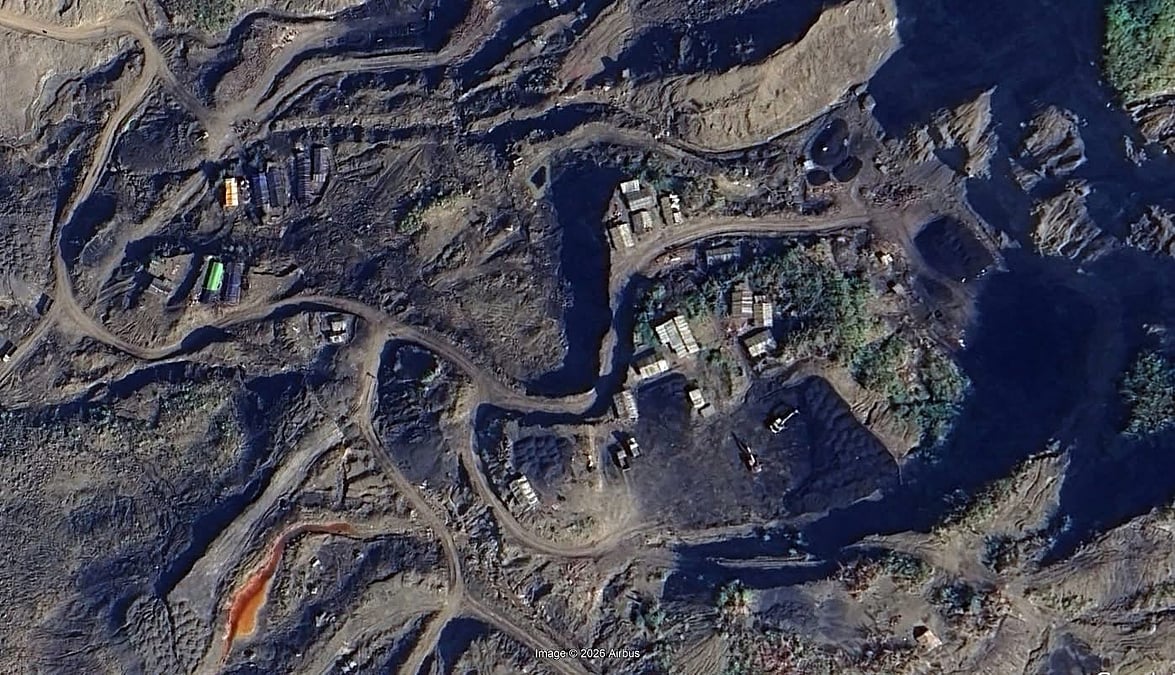
Coal mining activity is concentrated beyond Naginimora in Nagaland, around 20 km from Bihubar in Assam’s Sivasagar district. According to local residents, mining operations extend for nearly 10 km along the upstream stretch of the Dikhow river, while coal is stockpiled and traded through Naginimora.
Residents said coal transportation from the area has declined significantly over the years. A local businessman claimed that while nearly 100 trucks carrying coal entered Assam daily during the peak season in 2010-11, the number has now reduced to around six to 10 trucks a day.
Security sources alleged that some insurgent groups have financial interests in the coal trade, making regulation and enforcement more challenging. According to the sources, some militant elements are allegedly involved in mining operations in collaboration with private operators from different states.
The sources further claimed that such involvement has become less visible following a fatal mining accident in Nagaland’s Wokha district two years ago, when six workers were killed after a landslide trapped them inside a mine. These allegations have not been independently verified.
Nagaland is estimated to possess coal reserves ranging between 315 million and 492 million tonnes, primarily located in Mon, Mokokchung, Tuensang and Wokha districts. Coal extraction in several areas continues through rathole mining, a method that has repeatedly drawn criticism over environmental degradation and worker safety.

A study conducted in Tiru and Naginimora (Mon district), Yonglok (Longleng district) and Bhandari (Wokha district) documented widespread rathole and opencast mining near the Assam border, highlighting serious ecological and occupational concerns.
The study found that mining activities have resulted in extensive deforestation, removal of topsoil, severe land degradation, soil erosion, landslides, destruction of agricultural land and significant loss of forest cover. It also noted that indiscriminate dumping of mining waste has altered natural landforms and reduced soil fertility.
The Nagaland Department of Soil and Water Conservation, in its Annual Administrative Report 2024-25, also flagged the rapid expansion of rathole and opencast coal mining across Wokha, Mon, Mokokchung, Longleng and Tuensang districts.
The report warned that acid mine drainage (AMD) from abandoned mines has severely contaminated water bodies and damaged surrounding ecosystems, stressing the need for urgent remedial measures to prevent further environmental degradation and safeguard water resources.
Apart from coal extraction, extensive stone quarrying is also being carried out along the Dikhow river in Nagaland. Residents alleged that these activities have accelerated riverbank degradation and altered the river’s natural course.
Around 60 stone-crushing units are currently operating in the Bihubar area of Assam, with much of the raw material reportedly sourced from quarries in and around Naginimora.
During his recent visit to the flood-affected areas of upper Assam, Chief Minister Himanta Biswa Sarma said residents had urged him to intervene and stop coal mining and stone quarrying in neighbouring Nagaland, alleging that the activities had aggravated the July floods.
The chief minister, however, stated that the Assam government has limited jurisdiction over mining activities inside Nagaland and said any effective intervention would require coordination and action by the Central government.