


Tropical Savannah climates are generally warm throughout the year, with average monthly temperatures above 18 degrees Celsius
 KRC TIMES Assam Bureau
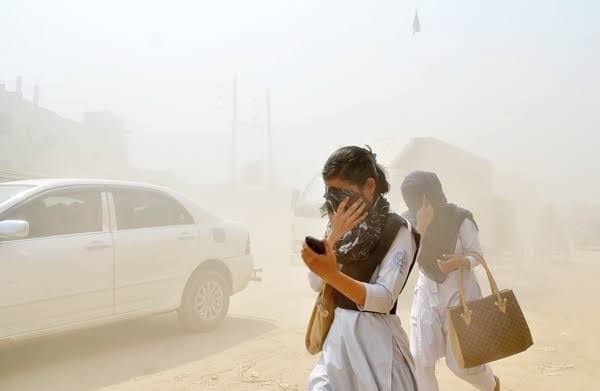
Guwahati | The Northeast has undergone a significant shift in its climate classification over the past seven decades, moving from the Tropical Savannah category to the Temperate Hot-Summer category, according to a study by scientists from the India Meteorological Department (IMD) and the Indian Institute of Tropical Meteorology (IITM), Pune.
The study, which examined climate changes over the historical period from 1951 to 2020, found that nearly 7 per cent of the area in both the Northeast and Northwest homogeneous regions had shifted towards a drier climate category.
Researchers attributed the changes primarily to rising temperatures and declining rainfall, highlighting the long-term transformation of India’s climatic patterns.
“Over the historical period 1951-2020, the major change in climate zone is the shift to the drier region – temperate to Arid Steppe, hot and Tropical Savannah to Temperate Hot Summer for Northwest and Northeast India, respectively,” the study stated.
The shift in the Northeast is particularly significant because the region’s climate and monsoon patterns sustain agriculture, forests, water resources and rural livelihoods. Changes in temperature and rainfall could affect crop cycles, water availability and the region’s ability to adapt to extreme weather conditions.

Tropical Savannah climates are generally warm throughout the year, with average monthly temperatures above 18 degrees Celsius. Temperate Hot-Summer climates, by contrast, are characterised by more pronounced seasonal variations, including hot summers and potentially freezing winter conditions.
The study also identified a broader warming trend across India. Maximum temperatures during summer and minimum temperatures on winter nights have consistently risen, while rainfall trends vary across regions.
The Western Ghats and Northeast India have recorded declines in monsoonal rainfall, according to the researchers. Some coastal and northwestern areas, meanwhile, have experienced modest increases. The changes have not been uniform across the country. Central India recorded a 2 per cent increase in the area classified under the Tropical Monsoon climate category between the historical and recent periods.
In the Peninsular India homogeneous region, around 15 per cent of the area shifted from Arid Steppe Hot to Tropical Savannah, a change the study associated with an increase in annual rainfall or its trend. India’s meteorological regions are classified into six broad climate categories, including Tropical Monsoon, Tropical Savannah, Arid Desert Hot, Arid Steppe Hot, Temperate Dry Winter Hot Summer and Cold Mountain.
The researchers said the findings underline the need to incorporate long-term climate trends into agricultural planning, water-resource management and adaptation strategies. For the Northeast, where communities depend heavily on monsoon rainfall and natural resources, continued changes in temperature and precipitation could have far-reaching implications for food security and livelihoods.