


India and Canada are not merely two Commonwealth democracies linked by historical association
 KRC TIMES Desk
Ashok Bhan
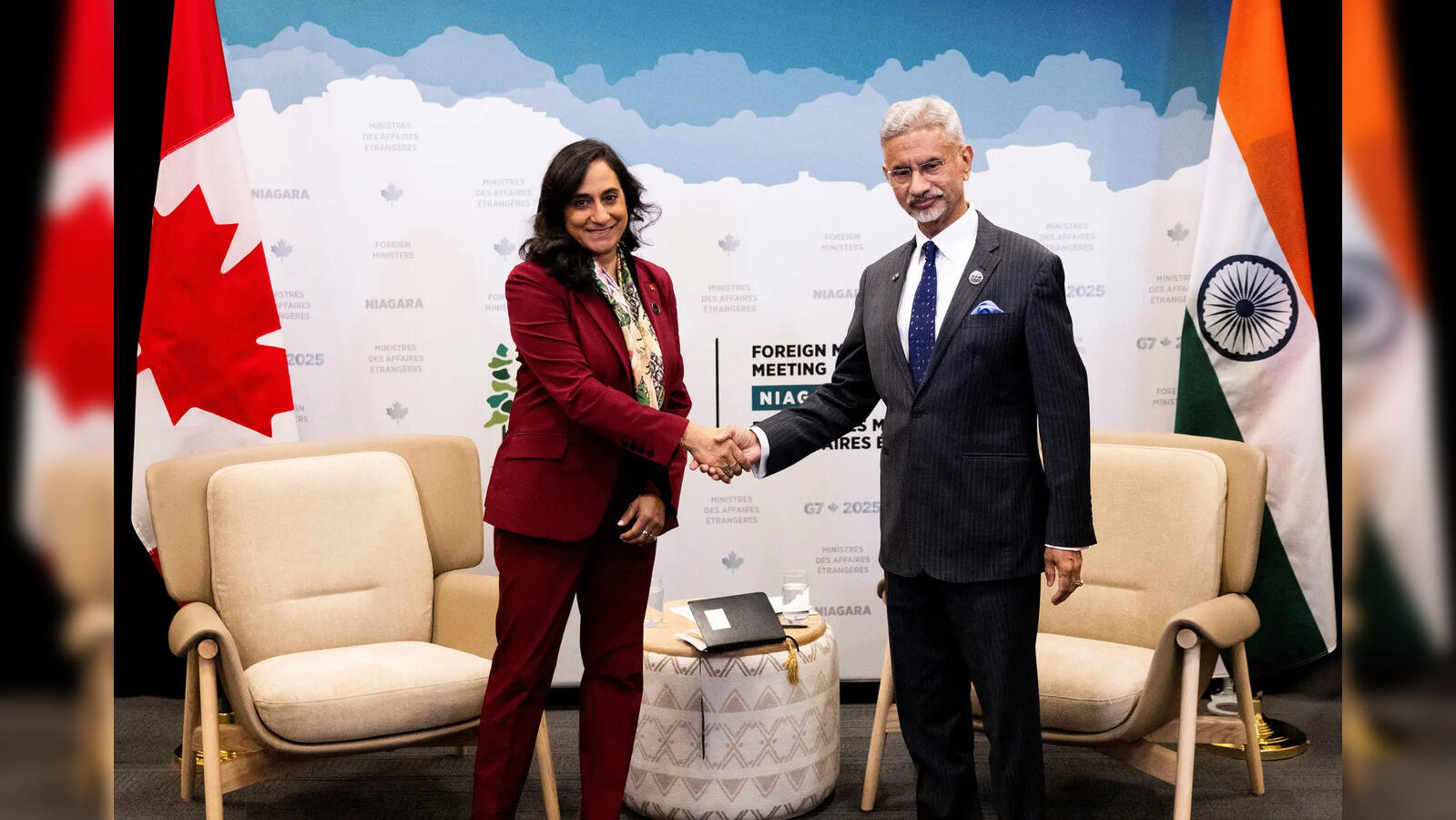
The rebooting of relations between India and Canada marks an important diplomatic shift in an increasingly fragmented and polarized world order. After years of tension, mistrust and political acrimony, New Delhi and Ottawa now appear willing to restore communication channels and rebuild a relationship that serves important strategic, economic and human interests on both sides.
The thaw may still be cautious and measured, but it reflects political maturity and recognition that major bilateral relationships cannot remain hostage indefinitely to episodic confrontations and domestic political calculations.
India and Canada are not merely two Commonwealth democracies linked by historical association. They are important partners in trade, education, technology, agriculture, energy and innovation. More importantly, they are connected through one of the world’s most successful and influential Indian-origin diasporas.
Millions of families, students, professionals and entrepreneurs form a living bridge between the two countries. It is this human dimension that made the deterioration in relations particularly damaging and emotionally unsettling for ordinary citizens across both nations.
The diplomatic crisis that followed allegations made by former Canadian Prime Minister Justin Trudeau regarding the killing of a Khalistani separatist on Canadian soil pushed bilateral ties to an unprecedented low.
India rejected the allegations strongly and accused Canada of permitting extremist and separatist elements to function freely under the cover of democratic freedoms. Diplomatic expulsions, suspension of negotiations, disruption in visa services and sharp public rhetoric deepened mistrust and affected multiple sectors.

Send your resume:
biswa@jigyasu.co.in
krcfoundation@gmail.com
Yet diplomacy rarely functions in absolutes. Nations ultimately return to dialogue because strategic realities compel engagement. Geography may separate India and Canada, but economics, security concerns, educational linkages and geopolitical developments create a strong basis for cooperation.
The recent signs of re-engagement suggest that both countries increasingly recognize the costs of prolonged estrangement.
For India, Canada remains an important strategic partner in the Western hemisphere. Canada possesses enormous reserves of critical minerals, vast energy resources, advanced agricultural expertise and globally respected educational institutions.
India, on the other hand, is one of the fastest-growing major economies, a technological hub and a key geopolitical actor in the Indo-Pacific region. In a world increasingly shaped by supply-chain disruptions, energy insecurity and strategic competition, pragmatic cooperation between the two countries carries significant value.
Economic considerations alone make reconciliation essential. Bilateral trade has continued to expand despite political tensions. Canadian pension funds and institutional investors hold substantial stakes in India’s infrastructure, renewable energy and real estate sectors.
At the same time, Indian professionals contribute significantly to Canada’s healthcare, technology, transportation and academic sectors. Indian students constitute one of the largest international student communities in Canadian universities and colleges, contributing enormously to the Canadian economy and multicultural social fabric.
The disruption in normal relations adversely affected these constituencies. Visa delays, uncertainty in educational mobility and concerns among investors created avoidable anxiety. Businesses and institutions on both sides require stability, predictability and policy continuity. Restoration of confidence therefore becomes essential not merely diplomatically, but economically and socially as well.
The timing of this revival is also significant. The global geopolitical landscape is undergoing rapid transformation. Strategic rivalries are intensifying, economic uncertainty is growing and multilateral institutions are increasingly under strain.
In such a climate, middle powers like India and Canada must cooperate on issues such as climate change, clean energy transition, technological regulation, food security and maritime stability. Despite political disagreements, both countries broadly share democratic values, commitment to pluralism and support for a rules-based international order.