

The proposal has generated considerable concern in Meghalaya, where Christian organisations play a central role
 KRC TIMES Assam Bureau
Guwahati | The Centre is expected to take up the Foreign Contribution (Regulation) Amendment Bill, 2026 during the Monsoon Session of Parliament beginning July 20, despite sustained opposition from the Meghalaya government, church bodies and civil society organisations that fear the proposed changes could adversely affect institutions funded through foreign contributions.
The Bill, introduced in the Lok Sabha on March 25 by Minister of State for Home Affairs Nityanand Rai, was initially scheduled for consideration earlier this year but was deferred following protests by Opposition parties.
At the heart of the controversy is a provision that seeks to empower a designated authority to take temporary and subsequently permanent control of the foreign contributions and assets of organisations whose FCRA registrations are cancelled, surrendered or allowed to lapse.
Under the proposed amendments, assets such as schools, hospitals, land and other properties created wholly or partly with foreign funding could be transferred to government agencies or disposed of, with the proceeds deposited into the Consolidated Fund of India.

The proposal has generated considerable concern in Meghalaya, where Christian organisations play a central role in providing education, healthcare and social welfare services, particularly in rural and remote areas. Christians constitute nearly three-fourths of the state’s population, and church-run institutions have long supplemented government efforts in delivering essential services.
In a bid to convey the state’s concerns, Meghalaya Chief Minister Conrad K. Sangma led a delegation of church leaders to New Delhi on July 5 for discussions with Union Home Minister Amit Shah. The delegation included representatives of the Presbyterian Church of India, the North East India Christian Council, the Catholic Archdiocese of Shillong and the Garo Baptist Convention.
During the meeting, Sangma urged the Centre to ensure that any amendments to the FCRA framework do not undermine institutions that have historically contributed to the state’s development. He emphasised the need for legislation that takes into account Meghalaya’s unique social and institutional realities.
Church leaders who attended the meeting later described the discussions as constructive. According to them, the Union Home Minister assured the delegation that the concerns raised would be examined carefully and that further consultations with stakeholders would be undertaken before moving ahead. They also noted an assurance that any new provisions would not be applied retrospectively.
Despite these assurances, opposition to the proposed legislation has remained strong.
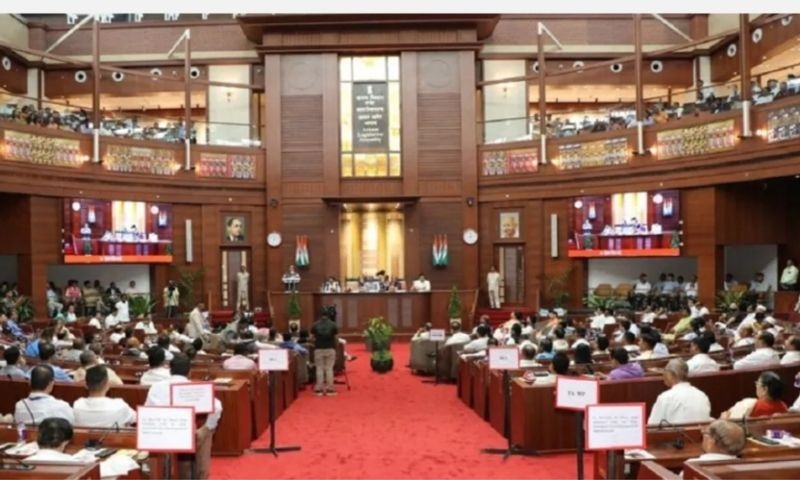
The Khasi Jaintia Christian Leaders Forum (KJCLF) has urged the Meghalaya Legislative Assembly to adopt a resolution calling for the withdrawal of the proposed Bill and the FCRA Amendment Rules, 2026, citing concerns over the future of welfare institutions dependent on foreign funding. The appeal follows a similar resolution passed by the Kerala Assembly earlier this month.
KJCLF secretary Rev. Edwin H. Kharkongor warned that the proposed amendments could significantly affect organisations working in areas where government services remain limited, particularly in sectors such as education, healthcare and community development. He also called on other northeastern states to collectively voice their concerns.
Significantly, reservations over the Bill have also emerged from within the ruling BJP in Meghalaya. Senior BJP legislator Alexander Laloo Hek has advocated wider consultations, arguing that the amendments could impact charitable and non-profit organisations engaged in public welfare activities.
Opposition parties, including the Congress and the Voice of the People Party (VPP), have also criticised the proposed law, contending that it could increase government control over educational, healthcare and community institutions established through foreign assistance.
Civil society groups have echoed these concerns, arguing that the Bill goes beyond regulating foreign contributions and may affect the autonomy of organisations that have traditionally functioned independently while serving public interests.
The Union government, however, has defended the proposed amendments, stating that they are intended to plug legal loopholes, strengthen oversight mechanisms and prevent the misuse of foreign contributions. Officials have maintained that genuine organisations engaged in lawful welfare activities have nothing to fear from the new provisions.
As Parliament prepares for the Monsoon Session, the debate over the proposed FCRA amendments is likely to intensify, particularly in Meghalaya and other northeastern states where church-run institutions play a significant role in social development.
The outcome could have far-reaching implications for thousands of students, patients and beneficiaries who depend on educational institutions, healthcare facilities and welfare programmes operated by organisations receiving foreign contributions.