


Railway safety experts believe the crew may have relied on the alternative regenerative braking system to regulate the train’s speed during the journey
 KRC TIMES Assam Bureau
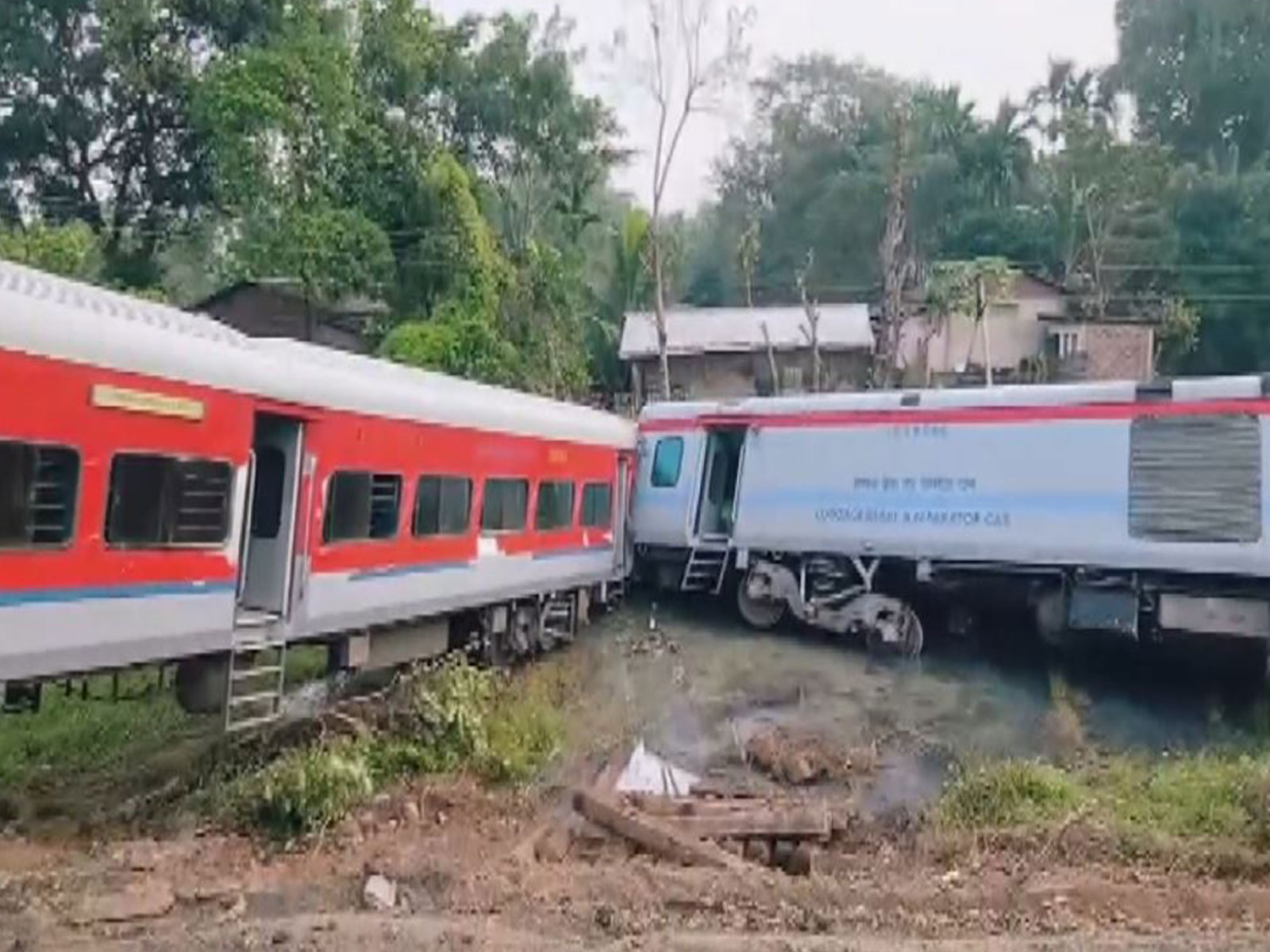
GUWAHATI | A closed brake valve may have caused the Kolkata-Sairang Express to overshoot a red signal and derail near Digaru railway station in Assam on November 11, according to preliminary findings of an investigation into the accident.
A six-member probe team has found the locomotive’s brake pipe (BP) angle cock in an isolated or closed position, raising the possibility that the train’s main braking system had become dysfunctional. The valve regulates the flow of compressed air required to activate the brakes across the train’s coaches.
According to a joint note prepared by the investigation team on the day of the accident, the closed angle cock may have prevented the brakes from functioning even though the train crew attempted to apply them. The preliminary findings, reported by PTI, suggest that the braking system might have remained isolated when the train approached Digaru.
However, investigators have yet to establish who closed the valve or whether the braking system was properly checked before the train resumed its journey.
The loco pilot, assistant loco pilot and guard reportedly told investigators that the braking system was functioning normally when they took charge of the train at Guwahati around 5.30 am on November 11.
The train was subsequently halted at Panbari station at 6.16 am after the wheels of one coach overheated due to jammed brake pads. Railway staff attended to the problem, and the train remained at the station for approximately 30 minutes before resuming its journey at 6.46 am.

The incident at Panbari has now emerged as a crucial part of the investigation.
As the train approached Digaru station, the station master instructed the crew to enter the loop line and stop to allow another train to pass. However, when the crew attempted to apply the brakes, the system allegedly failed to respond.
The train overshot the red signal, continued towards the end of the track and collided with a dead end, resulting in the derailment of the locomotive and five coaches.
Railway safety experts believe the crew may have relied on the alternative regenerative braking system to regulate the train’s speed during the journey. The failure of the main braking system may have become apparent only when they attempted to bring the train to a halt near the loop line.
A key question being examined is whether railway personnel closed the BP angle cock while attending to the jammed brake pads at Panbari but failed to reopen it before allowing the train to depart.
Advisories issued by some railway divisions following the accident have also flagged the possibility that the angle cock was left closed after the repair work, PTI reported. However, this explanation remains unconfirmed.
The preliminary findings have raised serious questions about maintenance procedures, safety checks and the verification of braking systems before trains are allowed to resume operations after repairs.
Investigators are now expected to establish the sequence of events at Panbari station and determine whether a failure to restore the braking system to its normal operating condition contributed to the accident.