


The development marks a reversal of the traditional trade pattern, under which Bangladesh has supplied hilsa to India, particularly ahead of the Durga Puja season
 KRC TIMES National Bureau
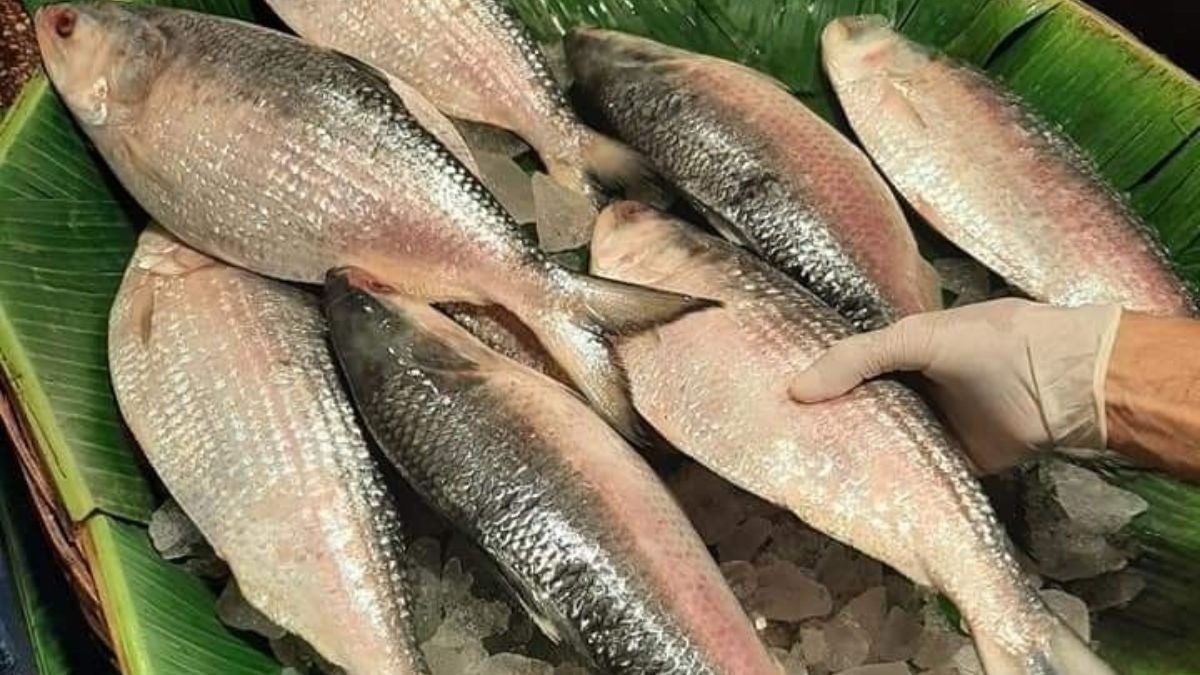
Kolkata | The hilsa trade between India and Bangladesh has taken an unusual turn this year, with India exporting around 500 tonnes of the prized fish to Bangladesh over the past two months as the neighbouring country faces a shortage. Another 150-200 tonnes could be exported to Bangladesh in the coming weeks, according to members of the Howrah Wholesale Fish Importers’ Association.
“In the last two months, some 500 tonnes have been exported, and another 150-200 tonnes are slated in the coming weeks,” an association member said. The development marks a reversal of the traditional trade pattern, under which Bangladesh has supplied hilsa to India, particularly ahead of the Durga Puja season.
The latest consignments have largely originated in Gujarat and been shipped through Bharuch port. Some consignments have also reached Bangladesh through the Howrah wholesale fish market in West Bengal, traders said.
“Bangladesh has been importing hilsa from India for the first time. We usually send fish such as boal, rohu, parse and tangra to Bangladesh. This year there is a shortage of hilsa there,” said Syed Anwar Maqsood, secretary of the Howrah Wholesale Fish Importers’ Association.
Gujarat hilsa finds a market
Hilsa caught along the Gujarat coast has traditionally had relatively limited demand in the Indian market, largely because of its high roe content. That same characteristic, however, has made it attractive to Bangladeshi consumers. Traders said roe-rich Gujarat hilsa is particularly popular in markets in Chattogram and Sylhet.

“Gujarat hilsa contains a lot of roe, which is highly sought after in Bangladesh. The eggs are also being sold separately for processing and re-exported to other countries by them,” Maqsood said. Some of the imported fish is also being processed for export, while hilsa is being dried and sold as salted fish in Bangladesh, he said.
Bangladesh remains one of the world’s major hilsa-producing countries, with the fish deeply embedded in its culinary and cultural traditions.
Traditional flow uncertain
The latest exports have also raised questions over whether Bangladesh will send hilsa to India ahead of the festive season this year. There is currently no clarity on exports of Padma River hilsa from Bangladesh to India. Last year, the Bangladesh government had permitted the export of 1,200 tonnes of hilsa to India ahead of the festive season.
The reversal in trade this year comes as Bangladesh grapples with reduced hilsa availability, prompting traders there to look towards Indian sources to meet domestic demand.
For decades, hilsa has been more than a commodity in the India-Bangladesh trade relationship. This year, however, changing supply patterns have turned the traditional flow on its head, with Indian hilsa crossing the border to fill a gap in one of its biggest producing markets.