Traditionally considered a royal food and closely associated with religious rituals and festivals, the rice remained largely unknown beyond the state until recent years
 KRC TIMES Manipur Bureau

IMPHAL : Manipur’s indigenous black rice variety Chak-Hao is emerging as a sought-after superfood in domestic and international markets, but inadequate infrastructure-particularly the absence of advanced rice milling facilities-is preventing farmers from fully benefiting from the growing demand.
Cultivated in Manipur for centuries, Chak-Hao is known for its distinctive aroma, deep black colour and high nutritional value. Traditionally considered a royal food and closely associated with religious rituals and festivals, the rice remained largely unknown beyond the state until recent years.
With rising awareness of its health benefits, Chak-Hao is now being exported to other parts of India and overseas, transforming it into a promising cash crop for local farmers.

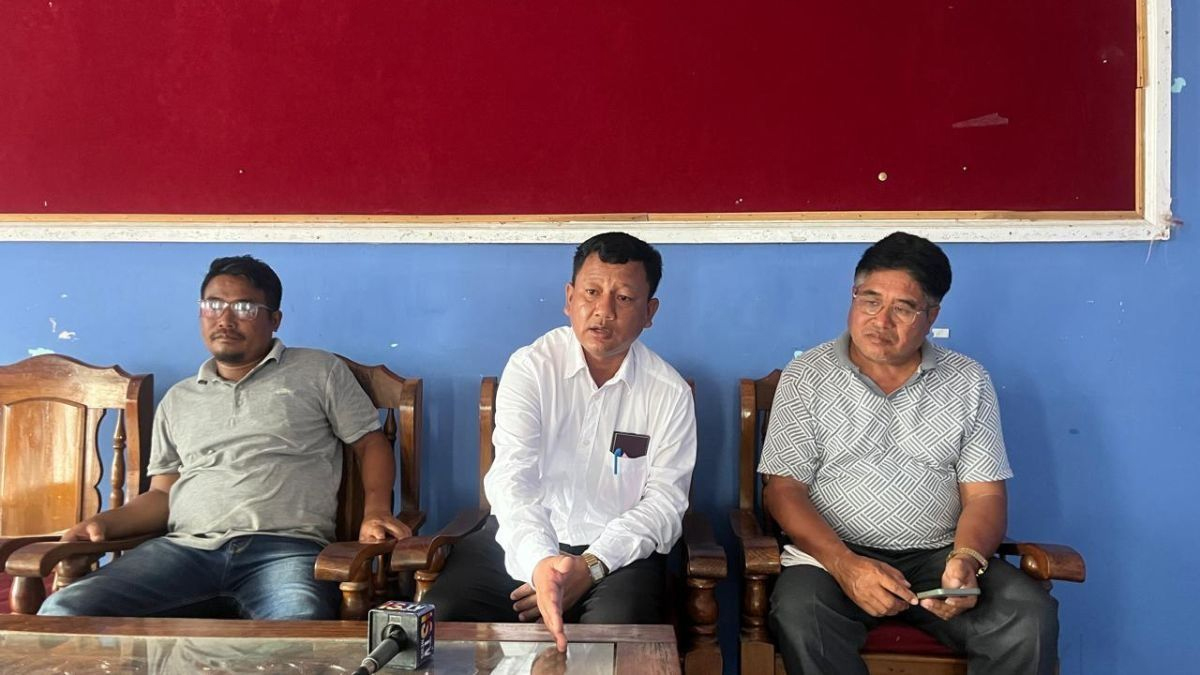
Chairman of Chak-Hao Poireiton Organic Producer Company Limited, Chongtham Shanta, said the company has been operating since 2016 under the Ministry of Agriculture and Farmers Welfare’s Mission Organic Value Chain Development for North Eastern Region (MOVCD-NER).
He said the initial years were marked by heavy losses due to the lack of assured markets, but sustained efforts and rising demand have since improved prospects for farmers.
The company cultivates Chak-Hao across 300 to 500 hectares annually in different parts of Imphal West district. While increased demand from other states has helped boost incomes, Shanta said the lack of modern milling machinery continues to restrict value realisation. “In the absence of advanced facilities, farmers are often forced to sell Chak-Hao in seed form, which fetches lower returns,” he said.
He added that the company also trades and exports Chak-Hao produced by eight other farmer producer companies (FPCs). Buyers outside Manipur prefer seeds due to concerns over uniform size, grading, appearance and shelf life-standards that are difficult to meet without proper milling infrastructure. Since Chak-Hao is not a staple food in most markets, it is often stored for longer periods, further influencing buyer preferences.

According to Shanta, installing advanced rice milling units in Manipur would allow farmers to produce uniformly processed rice with improved texture and appearance. He said such facilities could also enable the production of parboiled Chak-Hao, significantly enhancing its market value and export potential. “At present, exporters are sometimes compelled to ship Chak-Hao as seed despite its limitations,” he noted.
Chak-Hao’s export footprint is expanding, with the Manipur government recently signing a memorandum of understanding to export 20 metric tonnes of Chak-Hao rice, including black and white varieties, to Japan. The agreement was formalised during the Bharat International Rice Conference 2025 at Bharat Mandapam in New Delhi, and efforts are underway to operationalise the export.
Dr Kh Nimaichand, in-charge of MOVCD-NER in the Manipur Department of Agriculture, said the launch of the scheme in 2015-16 and the granting of a Geographical Indication (GI) tag in 2020 marked a turning point for Chak-Hao. “These initiatives transformed Chak-Hao from a lesser-known crop into a recognised superfood,” he said.
Currently, around 5,000 hectares across districts including Imphal West, Imphal East, Bishnupur, Thoubal and Kakching are under Chak-Hao cultivation, with an average yield of at least 2.5 metric tonnes per hectare. MOVCD-NER is now in its fourth phase, with three FPCs participating and receiving financial, logistical and marketing support for a minimum of three years.

Dr Nimaichand described Chak-Hao as a high-potential cash crop, citing its antioxidant properties, high fibre content, low glycaemic index, rich vitamins and minerals, gluten-free nature and distinctive aroma. While black rice is grown elsewhere in India, he said Chak-Hao’s unique characteristics set it apart in global markets.
Consumption patterns within Manipur are also changing, with Chak-Hao increasingly used in breakfast items and snacks. This shift has encouraged entrepreneurship, with at least eight local entrepreneurs producing value-added products such as cookies, sweets, mixtures and cakes, contributing to the local economy.
Official estimates indicate that around 30 per cent of Chak-Hao production is consumed within Manipur, 10 per cent retained as seed, and nearly 60 per cent exported to other states and countries. To ensure authenticity and seed purity, DNA fingerprinting of indigenous Chak-Hao has been carried out in collaboration with ICAR Manipur, alongside the GI certification granted in 2020.
With agriculture remaining the backbone of Manipur’s economy, officials believe Chak-Hao holds significant potential to drive growth. Increasing online sales by farmers have also expanded access to consumers across India and abroad. As export opportunities grow, Chak-Hao is increasingly being viewed as a catalyst for economic transformation in the state-provided infrastructure gaps are addressed.